
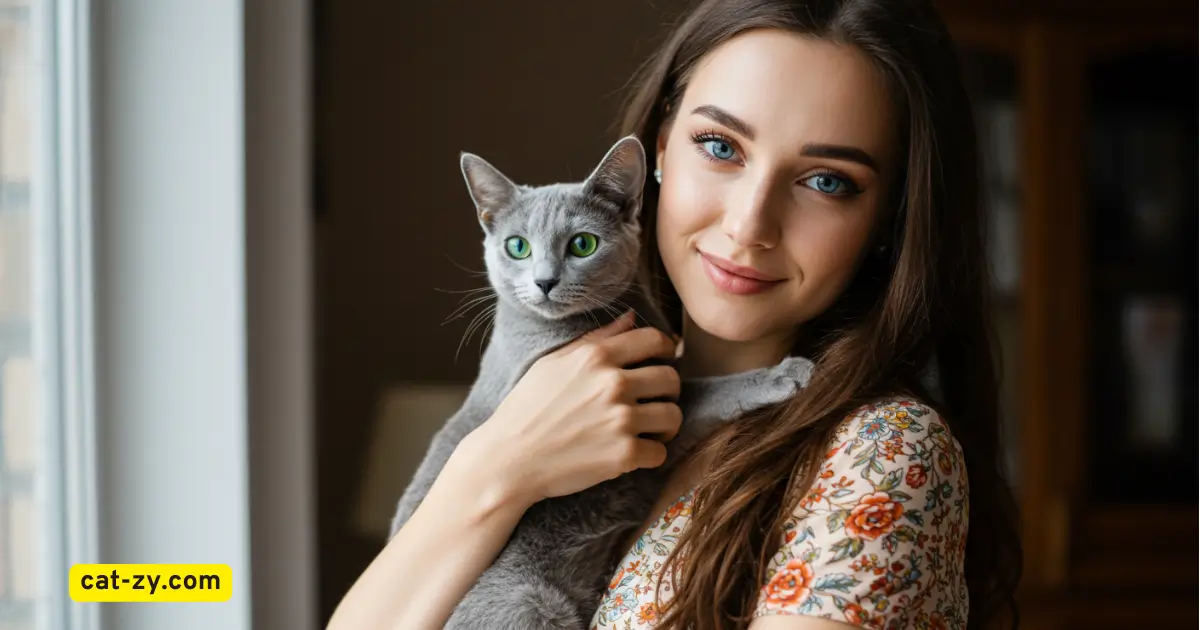
Russian Blue Cat: 6 Proven Steps to Adopt Your Dream Pet

Adopting a Russian Blue cat means gaining a unique friend with stunning silver-blue fur and captivating green eyes. These cats are medium-sized, weighing 7 to 16 pounds. They live for 10 to 15 years, making them great long-term pets.
When you’re ready to bring a Russian Blue home, providing the right food is essential. Top cat food brands like Friskies Pate offer important nutrients. Understanding their dietary needs helps keep your Russian Blue active and full of life.
The adoption process needs careful research and preparation. With about 17,000 animal shelters nationwide, finding your perfect Russian Blue is easier than ever. You can search in Anaheim, San Diego, or other California cities for the right pet.
Russian Blues come in different ages, from kittens to seniors. This variety lets you choose a cat that fits your lifestyle. Think about their temperament, activity level, and how they’ll fit in your home.
Knowing the breed’s traits and what you need to prepare for is crucial. With the right steps and resources, you’ll be ready to welcome a Russian Blue into your life.
Table of Contents
Understanding Russian Blue Cat Characteristics
Russian Blue cats are unique and fascinating. They have special physical and personality traits. These cats win the hearts of many with their beautiful looks and gentle nature.
Physical Appearance and Distinctive Features
When you meet a Russian Blue, its stunning silvery-blue coat catches your eye. They have a medium build and some impressive features:
- Adult weight ranges from 8 to 15 pounds
- Medium-sized body structure
- Unique double coat that appears silvery-blue
- No white markings or ghost patterning

Their coat is unique because it sheds less, making them a great choice for many cat owners. When considering food, some might be curious about Friskies kitten food. It’s helpful to explore whether Friskies is a suitable option for cats and to seek expert advice.
Temperament and Personality Traits
Russian Blues are known for their amazing personality. They are:
- Gentle and quiet
- Intelligent and trainable
- Child-friendly and pet-friendly
- Independent yet affectionate
They are calm, making them great for any home, even apartments. With a lifespan of 12 to 15 years, a Russian Blue can be a long-term friend. They adapt well to different homes.
Russian Blue Cat Compatibility: Finding Your Perfect Match
Before committing to a Russian Blue cat, understanding whether this breed aligns with your lifestyle ensures a harmonious relationship for years to come. These elegant felines thrive in specific environments and with particular types of owners, making compatibility assessment essential.
Ideal Owner Personalities
Russian Blues form deep connections with calm, patient individuals who respect their need for personal space. If you appreciate a cat that observes before engaging, values routine, and offers affection on their own terms, this breed suits you perfectly. They’re not lap cats in the traditional sense, but will sit beside you, follow you room to room, and sleep near you consistently.

People who work regular schedules find Russian Blues particularly compatible. These cats adapt well to solitary hours during workdays, greeting you warmly upon return without the neediness some breeds display. Their independent streak means they won’t suffer from being alone, though they genuinely enjoy your company when available.
Family Dynamics and Living Situations
Russian Blue cats integrate beautifully into various household configurations. Single professionals appreciate their low-maintenance yet affectionate nature. Couples find them equally devoted to both partners rather than bonding exclusively with one person. Families with older children succeed wonderfully, as these cats tolerate gentle, respectful interactions.
Apartment dwellers discover Russian Blues make exceptional companions. Their moderate activity level and quiet demeanor suit close quarters perfectly. They don’t require outdoor access to stay content, thriving entirely indoors with proper enrichment. Homes with minimal noise and chaos match their preference for peaceful surroundings.
Compatibility with Other Pets
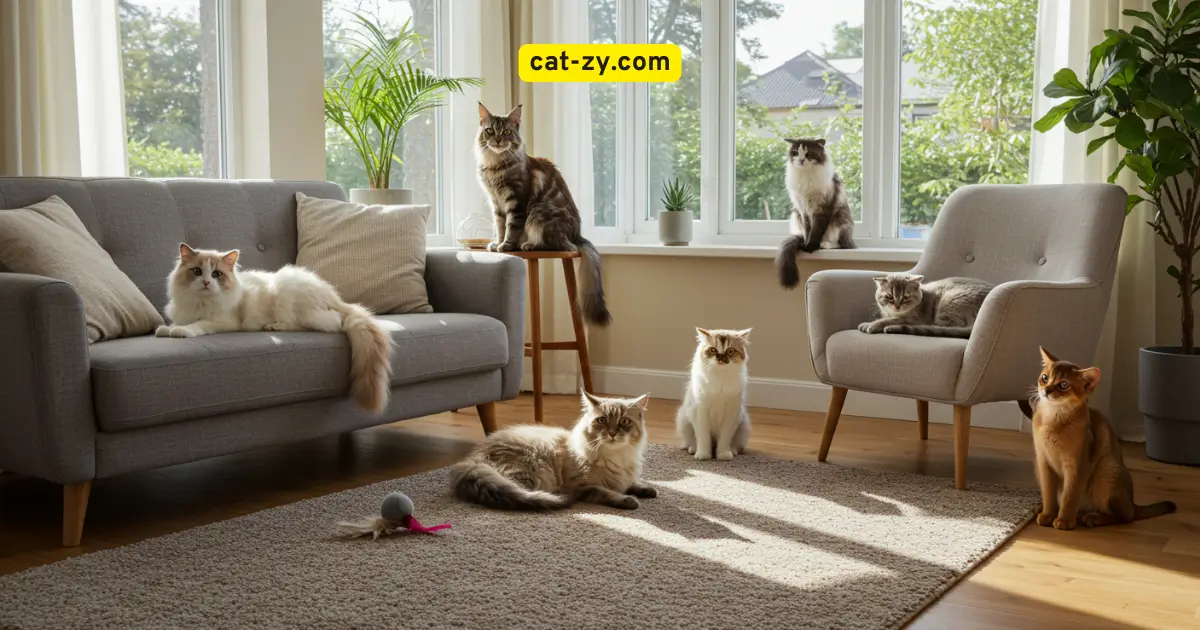
Introducing a Russian Blue cat into multi-pet households requires consideration. They generally coexist peacefully with other cats, especially when introductions happen gradually. Their reserved nature means they won’t initiate conflicts but will defend themselves if necessary. Established cats in your home should have calm temperaments for the smoothest integration.
Dogs can become companions to Russian Blues, particularly calm, cat-friendly breeds. High-energy or prey-driven dogs create stress for these sensitive felines. Successful dog-cat households typically feature dogs trained in gentle cat interaction and Russian Blues given escape routes to elevated spaces.
Small pets like birds, hamsters, or fish may trigger hunting instincts. While Russian Blues aren’t typically aggressive hunters, their natural curiosity means that securely housing smaller animals separately ensures everyone’s safety and reduces stress for all pets involved.
Lifestyle Considerations
Frequent travelers should reconsider Russian Blue cat ownership unless reliable pet care exists. These cats bond deeply with their families and experience stress from extended absences or constantly changing caregivers. If your career demands regular travel, this breed may not suit your circumstances.
Conversely, homebodies and remote workers find Russian Blues, perfect companions. They appreciate your consistent presence without demanding constant attention, content to occupy themselves nearby while you work or relax.
Russian Blue Cats’ Living Requirements
Bringing a Russian Blue home means understanding its special needs. They love calm places that keep their minds and bodies happy. Their activity level is just right, needing a space that matches their gentle spirit.

Providing the right food for your Russian Blue is essential for their overall care. Choosing the right meal matters, and Friskies can cat food is a great option. Ensure the ingredients match your cat’s needs. A well-balanced diet helps maintain their energy and keeps their coat looking its best.
- Grooming needs: Brush once a week to keep the coat smooth and well-maintained.
- Space requirements: Moderate indoor living space
- Exercise: Gentle play sessions and interactive toys
- Environment: Quiet, calm atmosphere preferred
Russian Blues are great for busy people. They can handle being alone and love routine. They don’t need a lot of exercise but enjoy playing.
“A happy Russian Blue is a cat with a consistent routine and peaceful home environment.”
Ensuring their well-being is essential. Regular ear cleaning, gentle brushing, and nail trimming are important. Place their water bowl away from their food to encourage better hydration.
Training and Socializing Your Russian Blue Cat
Russian Blue cats stand out for their remarkable intelligence and trainable nature. Unlike many cat breeds, they respond exceptionally well to positive reinforcement and can learn various commands and behaviors. Understanding how to properly train and socialize your Russian Blue creates a stronger bond and ensures a well-adjusted companion.
Starting Early with Kitten Socialization
The first few months are critical for shaping your Russian Blue’s personality. When you bring your kitten home, gradually introduce them to different rooms, sounds, and experiences. These cats are naturally reserved around strangers, so early socialization helps them feel more comfortable in various situations.
Create positive associations by offering treats during new experiences. When visitors arrive, allow your Russian Blue to approach at their own pace rather than forcing interactions. This breed appreciates having control over social encounters, and respecting their boundaries builds trust.
Litter Box Training Success
Russian Blues are naturally clean cats, making litter box training straightforward. Position the litter box in a peaceful, easy-to-reach spot that’s separate from where they eat and drink. Introduce your kitten to where the litter box sits as soon as they arrive home. Most Russian Blues instinctively understand their purpose within the first day.

Maintain spotless litter box conditions, since Russian Blue cats are especially particular about hygiene. Scoop daily and completely change the litter weekly. If accidents occur, it’s usually related to box cleanliness or location rather than behavioral issues.
Teaching Commands and Tricks
The sharp mind of your Russian Blue cat makes trick training remarkably effective. Start with simple commands like “sit” or “come” using their favorite treats as motivation. Keep training sessions short—five to ten minutes—to maintain their interest.
Many Russian Blue owners successfully teach their cats to:
- Come when called by name
- Sit on command before meals
- Use scratching posts instead of furniture
- Walk on a leash for supervised outdoor time
- Play fetch with small toys
Managing Their Reserved Nature
Russian Blues typically bond deeply with their family but remain cautious with strangers. This isn’t shyness—it’s their natural temperament. Create “safe zones” in your home where your cat can retreat when feeling overwhelmed. High perches or quiet rooms work perfectly.
When guests visit, let your Russian Blue observe from a distance. Never force interactions. Over time, they’ll warm up to regular visitors on their own terms. This gradual approach respects their personality while encouraging social confidence.
Interactive Play and Mental Stimulation

These intelligent cats need mental challenges alongside physical activity. Puzzle feeders turn mealtime into an engaging game. Rotate toys weekly to keep their environment interesting. Russian Blues particularly enjoy toys that mimic hunting behaviors, like feather wands or motorized mice.
Establish consistent play schedules—morning and evening sessions work well. This routine satisfies their need for predictability while providing essential exercise. Even fifteen minutes of active play twice daily keeps your Russian Blue mentally sharp and physically fit.
Where to Find Russian Blue Kittens for Adoption
Finding the right Russian Blue kitten takes research and planning. Your search for a new pet means looking at different places. You’re looking for the perfect fit for your family.
Reputable Adoption Sources
Here are some trusted places to find a Russian Blue kitten:
- Specialized Russian Blue rescue organizations
- Certified cat breeding networks
- Professional cat show networks
- Verified online adoption platforms
Prices for Russian Blue kittens usually range from $1,500 to $2,500. Make sure the place you choose provides complete background details and vaccination records.
Adoption Process Steps
- Research potential breeders or rescue organizations
- Request detailed kitten profiles
- Schedule virtual or in-person meetings
- Prepare your home environment
- Complete adoption paperwork
Think about your kitten’s diet when getting ready for them. Friskies offers good food for kittens. Choose the right food for their age to help them grow well.
*Tip: Always prioritize kittens with well-documented backgrounds and complete care records.*
Reliable sources offer quality assurances and ongoing support after adoption. This helps you and your kitten settle in smoothly together.
Preparing Your Home for a Russian Blue
Welcome to the exciting journey of bringing a Russian Blue into your home! These elegant cats need special care to feel comfortable and thrive. They require attention to help them settle in well.
First, create a special space for your new feline friend. Russian Blues love routine, especially for their living areas and meal times. Choose high-quality cat food brands that meet their nutritional needs and keep their sleek physique.
- Choose premium cat food brands with high protein content
- Establish consistent feeding schedules
- Prepare a quiet, comfortable resting area
- Invest in interactive toys for mental stimulation
When choosing cat food brands, look for ones that suit their dietary preferences. Russian Blues can be selective with their food, so it’s a good idea to seek expert advice to find the most suitable meal plan for them.
Make your home safe with scratching posts, climbing trees, and cozy hideaways. These cats love to watch from high places. So, vertical spaces are key to their comfort and happiness.
Tip: Russian Blues appreciate predictable routines and calm environments that make them feel secure.
Prepare your home with patience and care. Your Russian Blue will soon adapt to its new space. They will form a deep bond with you and become a cherished family member.
Conclusion
Choosing a Russian Blue kitten for adoption is a wonderful chance to add a loving friend to your family. These cats are known for their gentle nature and ability to fit into any home. They can thrive in both small apartments and large houses.
Remember, Russian Blue kittens are more than pets. They are loyal friends with special traits. Their beautiful coat, striking eyes, and low-allergen fur make them unique. With a lifespan of 15 to 20 years, they promise many years of love and companionship.
Adopting a ‘cat Russian Blue’ means understanding their needs. Consistent care, a well-balanced diet, and engaging activities are key to their well-being. Adoption is more than bringing home a pet; it’s welcoming a lifelong companion who will always be by your side.
Adopting a Russian Blue kitten can change your life. They are perfect for new owners, being calm and friendly. Begin by looking into good breeders and shelters. Get ready for the deep bond you’ll share with your new Russian Blue.
FAQ
What are some common traits to consider for Russian Blue cats?
Russian Blue cats are generally strong and well-built, but may inherit certain traits like sensitivity to bladder conditions, weight gain, and dental concerns. Providing them with a well-balanced diet, maintaining an ideal weight, and ensuring regular check-ups can help keep them in top shape.
Do Russian Blue cats require special grooming?
Russian Blues have a short coat that needs little grooming. A weekly brush is enough to keep their coat looking good. They are very clean and often groom themselves.
How long do Russian Blue cats typically live?
Russian Blues are strong and can live 15-20 years. With proper care, routine check-ups, and a well-rounded diet, they can thrive for many years.
Is Friskies kitten food appropriate for Russian Blue kittens?
Friskies kitten food is fine, but it’s best to go for recipes made specifically for kittens. Look for expert-recommended options with plenty of protein. Always introduce new food gradually and observe how your kitten adapts.
Are Russian Blue cats good for first-time cat owners?
Yes, Russian Blue cats are great for new owners. They are gentle, easy to groom, and adapt well. Their calm and loving nature makes them perfect for those new to cat ownership.
Are Russian Blue cats hypoallergenic?
Russian Blues are less allergenic than many breeds. Their short coat and lower Fel d 1 protein make them a good choice for those with mild allergies.
What type of diet is best for a Russian Blue cat?
Russian Blues thrive on a diet rich in quality protein. While Friskies pâté is one choice, consider exploring other options that may better suit your cat. Look for food made with real meat and balanced moisture levels.
How much exercise do Russian Blue cats need?
Russian Blues need daily exercise, but they’re not too active. Play with them for 15-20 minutes, two to three times a day. This keeps them smart and active.
How much is a Russian Blue cat?
Russian Blue cats typically cost between 1,500 and $2,500 from reputable breeders. Adoption from shelters may be less expensive, though purebred Russian Blues are harder to find in rescue organizations.
How much are Russian Blue cats?
The price for Russian Blue cats ranges from $1,500 to $2,500, depending on the breeder, pedigree, and location. Additional costs include initial supplies, vaccinations, and ongoing care expenses throughout their lifetime.
How much does a Russian Blue cat cost?
A Russian Blue cat costs approximately $1,500 to $2,500 when purchased from certified breeders. Factor in additional expenses for food, veterinary care, grooming supplies, and toys to maintain their health and happiness.
How much do Russian Blue cats cost?
Russian Blue cats cost between $1,500 and $2,500 from professional breeders. Prices vary based on lineage, age, and breeder reputation. Remember to budget for ongoing expenses like quality food and regular veterinary checkups.
Are Russian Blue cats rare?
Russian Blue cats are relatively rare compared to common domestic breeds. Their unique silvery-blue coat and green eyes make them highly sought after, though reputable breeders and specialized rescue organizations can help you find one.
Do Russian Blue cats shed?
Russian Blue cats shed minimally due to their short, dense double coat. Weekly brushing helps manage shedding and keeps their coat healthy. Their low-shedding nature makes them suitable for people with mild allergies.




7 Comments