6 Proven Ways To Use The Best Cat Age in Human Years Calculator

Free Cat Age in Human Years Calculator:
Table of Contents
Have You Ever Wondered How Old Your Cat Really Is?
Your cat curls up on the sofa, blinks slowly at you, and you find yourself thinking: “How old are you in human years?” It is one of the most common questions cat owners ask, and for good reason. Understanding your cat’s true biological age helps you give them better care at every stage of their life.
Using a cat age in human years calculator is one of the simplest and most practical tools available to modern cat owners. Whether you have a tiny kitten or a wise senior feline, knowing where your cat stands in terms of life stage can guide feeding choices, vet visits, play routines, and much more.
In this guide, you will find everything you need: how the calculation works, what each life stage means for your cat, common mistakes to avoid, and, of course, our free interactive tool right here on cat-zy.
Why You Cannot Simply Multiply by 7

You have probably heard the old rule: one cat year equals seven human years — the same shortcut many people use before they discover a proper cat age in human years calculator. It is a popular idea, but it is also misleading. Cat development does not happen at a steady pace across their entire lifespan. A one-year-old cat is far more mature than a seven-year-old child. In fact, within just the first two years of life, cats undergo rapid growth that is equivalent to roughly 24 human years.
After those first two years, the aging process slows down significantly. Each additional cat year is generally considered to be roughly equivalent to four human years. However, this can vary depending on the cat’s breed, size, indoor versus outdoor lifestyle, and overall care quality.
This is why a proper cat age in human years calculator uses a more nuanced model rather than a simple multiplication. The goal is to give you a realistic picture of where your cat is in their biological journey.
The 6 Life Stages Every Cat Owner Should Know
The International Cat Care organization and many veterinary associations recognize that cats move through distinct life stages. Understanding these stages is key to interpreting what your cat needs at any point in time.
Stage 1: Kitten (0 to 6 months)
This is the most explosive period of growth. A six-month-old kitten is roughly equivalent to a ten-year-old child in terms of physical development. Kittens need high-calorie, nutrient-rich food, frequent socialization, vaccinations, and a safe environment to explore.
Stage 2: Junior (7 months to 2 years)
During this phase, your cat reaches sexual maturity and approaches full adult size. A two-year-old cat is comparable to a young adult of around 24 human years. Energy levels are typically high, and play and stimulation are very important.
Stage 3: Prime (3 to 6 years)

This is the peak of your cat’s life. They are fully developed, confident, and in their physical prime. In human terms, this period spans roughly ages 28 to 40. Cats in this stage generally need consistent nutrition, regular exercise, and routine veterinary checkups.
Stage 4: Mature (7 to 10 years)
A mature cat is the feline equivalent of a human aged 44 to 56. You may start noticing subtle changes: slightly less activity, a preference for warmer sleeping spots, or a shift in appetite. This is the time to pay closer attention to weight management and dental care.
Stage 5: Senior (11 to 14 years)
Senior cats, roughly equivalent to humans in their 60s and early 70s, may experience changes in mobility, kidney function, and sensory ability. More frequent vet visits (twice a year rather than once) are often recommended at this stage.
Stage 6: Super Senior / Geriatric (15 years and above)
Cats aged 15 and over are truly remarkable. In human terms, a 15-year-old cat is around 76 years old. Some cats live well into their 20s. These senior felines require gentle handling, specialized nutrition, and attentive daily care.
Do Male and Female Cats Age Differently?
If you have ever used a cat age in human years calculator, you probably noticed it does not ask whether your cat is male or female. That is actually fair, because the biological aging process itself is quite similar across sexes. But when it comes to lifespan, the differences become more interesting.
Does sex affect how long a cat lives?

In general, female cats tend to live slightly longer than males, though this difference is minor enough that a cat age in human years calculator does not factor in sex for the core conversion. What makes a far bigger difference is whether a cat has been spayed or neutered.
Do spayed or neutered cats live longer?
Yes, and the evidence is pretty consistent on this. Spayed females and neutered males tend to outlive their intact counterparts by a meaningful margin. The reasons are mostly behavioral and environmental rather than purely biological. Intact males are more likely to roam, fight, and get into dangerous situations outdoors. Intact females face the physical demands of repeated reproductive cycles.
Neutering also removes certain hormonal influences that can lead to risky behavior, which translates directly into fewer accidents and injuries over a lifetime.
So while sex alone is a minor factor in feline aging, the decision to spay or neuter your cat is one of the most impactful choices you can make for their long-term well-being and longevity.
The World’s Oldest Cats: Real Life Super Seniors

When you run a cat age in human years calculator and see your cat sitting at the equivalent of 56 or 68 human years, it can feel like a lot. Then you hear about Creme Puff, and suddenly everything feels relative.
Creme Puff was born on August 3, 1967, and lived until August 6, 2005, reaching the extraordinary age of 38 years and 3 days. She holds the Guinness World Record for the oldest cat ever recorded, and her owner, Jake Perry of Austin, Texas, also raised a second remarkably long-lived cat named Granpa Rexs Allen, who lived 34 years and 59 days.
What did Jake Perry do differently? He fed Creme Puff a base of dry cat food alongside broccoli, eggs, and turkey bacon. He also turned his garage into a movie theater playing nature documentaries, installed wall steps for climbing, and built a screened outdoor enclosure for his cats to enjoy fresh air safely.
No single explanation covers why these cats lived so long, and no cat age in human years calculator could have predicted it. But the combination of an enriched environment, attentive daily care, and genuine love from their owner clearly played a role.
These stories are a good reminder that the number your calculator shows today is just a starting point, not a ceiling.
How to Use the Cat Age in Human Years Calculator on cat-zy

Using the free cat age in human years calculator on Cat-zy is straightforward and takes less than a minute.
Step 1: Know Your Cat’s Age
If you adopted your cat as a kitten, you likely know their birthdate. If you adopted an older rescue cat, your veterinarian can estimate their age through a dental and physical examination.
Step 2: Enter the Age
Input your cat’s age in years and months into the calculator. The tool accepts partial years, so you get a more precise result.
Step 3: Read Your Result
The cat age in human years calculator will display your cat’s equivalent human age and identify their life stage. This gives you a clear, actionable snapshot of where your cat is developmentally.
Step 4: Use the Result to Guide Your Care
Each life stage comes with specific care recommendations. The calculator result connects directly to tips for feeding, activity levels, and wellness monitoring appropriate to that stage.
Practical Tips Based on Your Cat’s Life Stage

Once you have used a cat age in human years calculator and know your cat’s life stage, you can make smarter everyday decisions.
For kittens and juniors: Feed a high-protein kitten formula, schedule core vaccinations, and invest in enrichment toys. Kittens need a lot of mental and physical stimulation to develop well.
For prime adults: Maintain a consistent feeding schedule with a balanced adult cat food. Keep up with annual vet visits and dental cleanings. Interactive play should remain part of the daily routine.
For mature cats: Consider transitioning to a food formula designed for mature cats. Monitor weight closely, as both weight gain and unexpected weight loss can signal changes that need veterinary attention.
For seniors and super seniors: Prioritize comfort and routine. Soft bedding, easy access to litter boxes (low-entry designs), and regular gentle handling matter a great deal. Ask your vet about senior-specific bloodwork panels.
General Wellness Information for Cat Owners
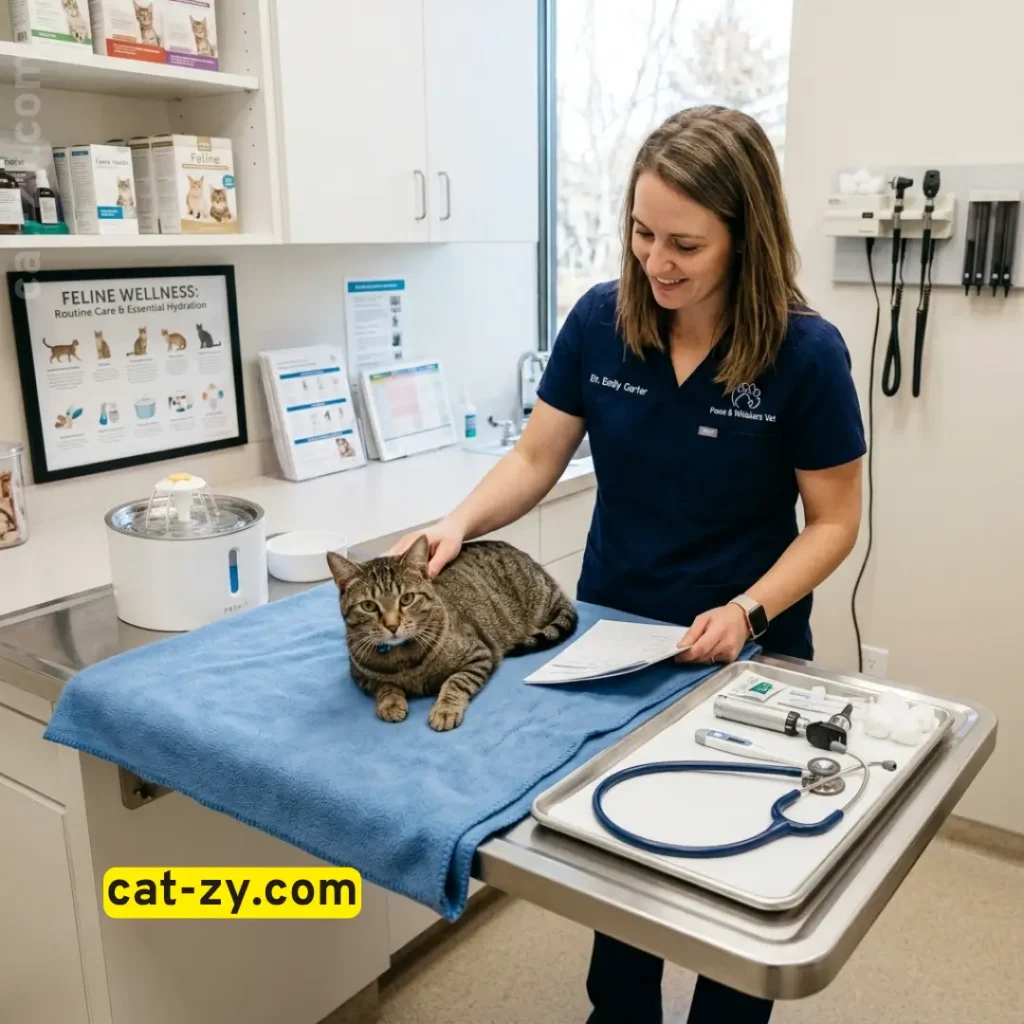
While this article is not a substitute for veterinary advice, some general wellness principles apply to cats across all life stages.
Hydration matters. Cats naturally have a low thirst drive, which means they can be prone to not drinking enough water. Many vets recommend wet food as part of the diet to support hydration, especially for older cats.
Dental care is often overlooked. Dental disease is one of the most common conditions seen in adult cats. Regular brushing (using cat-safe toothpaste) and dental treats can help, but professional cleanings by a vet remain the gold standard.
Weight management is critical. Obesity in cats is associated with a range of complications. Monitoring your cat’s body condition regularly and consulting your vet if you notice changes is a responsible habit.
Regular vet visits are non-negotiable. Annual checkups for younger cats and biannual visits for seniors help catch issues early when they are most manageable.
Common Mistakes Cat Owners Make When Thinking About Age
Understanding your cat’s age in human terms is helpful. especially once you have run a cat age in human years calculator. but it also comes with some common pitfalls.
Mistake 1: Assuming older cats need less attention. Senior cats often need more attention, not less. Increased vet visits, dietary adjustments, and closer observation of daily behavior are all important.
Mistake 2: Applying the same diet across all stages. A food suitable for a kitten is not ideal for a seven-year-old cat and vice versa. Life-stage-appropriate nutrition exists for a reason.
Mistake 3: Ignoring subtle behavioral changes. Cats are notoriously stoic. A change in sleeping patterns, water intake, or litter box habits can be an early signal worth discussing with a vet. Do not dismiss these as “just aging.”
Mistake 4: Over-exercising senior cats. While gentle play is encouraged, high-intensity activity can be hard on older joints. Match your cat’s play intensity to their current life stage and physical ability.
Mistake 5: Using a simple age multiplier instead of a proper calculator. The “times seven” method is outdated and imprecise. Using a structured cat age in human years calculator gives you a much more accurate and useful result.
Useful Tools and Products for Every Life Stage
The right tools can make a significant difference in how comfortably and happily your cat moves through each life stage.

Interactive toys are excellent for kittens and prime adults who need mental stimulation. These toys help engage a cat’s natural hunting instincts.

Puzzle feeders are also highly effective for cats in these life stages. They serve to slow down eating, which supports better digestion and health.

Orthopedic or heated beds become increasingly relevant for mature and senior cats. Joint comfort and warmth support restful sleep and overall wellbeing.

Water fountains encourage cats to drink more by providing moving water, which many cats prefer over still bowls. This is especially useful for cats at any stage but becomes particularly important as they age.

Senior-formula cat food is specifically formulated to support the nutritional needs of older cats, often with adjusted protein levels and joint-supporting nutrients.

Low-entry litter boxes are a practical adjustment for cats with reduced mobility. A box with a lower threshold makes it easier and less painful to access.
Understanding Your Cat’s Behavior Through the Lens of Age
Cat behavior makes a lot more sense when you understand where your cat is in their life journey, which is exactly the kind of insight a cat age in human years calculator puts in your hands instantly.
A young kitten that bites, climbs, and knocks things over is not being “bad.” They are doing exactly what a developing young animal should do. A senior cat that sleeps 18 or more hours a day is not lazy. They are behaving entirely appropriately for their age and energy levels.
Mature cats often become more territorial and routine-dependent. They prefer predictable schedules, familiar faces, and a stable environment. Sudden changes can cause noticeable stress in cats aged 7 and above.
Understanding these behavioral tendencies through the lens of life stage helps cat owners respond with empathy rather than frustration.
Building a Daily Routine Around Your Cat’s Life Stage
A consistent daily routine benefits cats at every age, and tailoring it starts with knowing the life stage your cat age in human years calculator identified. Here is a simple framework to build from.
Morning: Feed your cat at the same time each day. Consistency in feeding times helps regulate digestion and reduces anxiety.
Midday (if you are home): Offer a short play session of 10 to 15 minutes. For kittens and juniors, this can be longer and more energetic. For seniors, keep it gentle.
Evening: A second feeding and another short play or interaction period. Grooming time (brushing) can be incorporated here, which also doubles as a bonding activity.
Weekly: Check eyes, ears, and coat condition. Look for any changes from the previous week.
Monthly: Weigh your cat if possible and compare to previous months. Gradual changes are easier to catch this way.
Annually (or biannually for seniors): Schedule a full veterinary checkup.
Conclusion
Knowing your cat’s age in human terms is more than a fun fact. It is a practical guide to better care. Using the free cat age in human years calculator on cat-zy gives you an instant snapshot of your cat’s life stage so you can make smarter choices about nutrition, activity, and wellness at every step of their journey.
Try the calculator today, and share your cat’s human age in the comments below. We would love to hear about your feline companion!
Frequently Asked Questions
How old is a 13-year-old cat?
A 13-year-old cat is considered a senior cat, and running this number through a cat age in human years calculator puts it at roughly 68 human years. In human years, a 13-year-old cat is roughly equivalent to a person in their late 60s, around 68 human years, depending on the conversion model used. At this age, twice-yearly veterinary visits are typically recommended to monitor for age-related changes.
Is 1 year 7 years in cat years?
No, this is a common myth that a cat age in human years calculator quickly corrects. A one-year-old cat is actually much more mature than a seven-year-old child. By the end of their first year, a cat has developed to roughly the equivalent of a 15-year-old human. By age two, that figure reaches approximately 24 human years. The multiply by 7 rule is an oversimplification and does not accurately reflect how cats develop.
How old is my cat in human years?
The best way to find out is to use a structured cat age in human years calculator. The calculation varies by life stage: the first two years account for rapid development (approximately 24 human years), and each year after that is roughly equivalent to four human years. Individual factors like breed, lifestyle, and overall health can also influence biological age.
What is the silent killer of cats?
This is a term sometimes used in veterinary circles to describe conditions that progress without obvious symptoms, such as chronic kidney disease or hypertension in cats. Because cats are naturally stoic animals, they often do not show visible signs of illness until a condition has progressed. This information cannot be confirmed as a single official definition, as the term may be used differently by different sources. Regular veterinary checkups are the most reliable way to catch these conditions early.
How do you calculate a cat’s age in human years?
The general method used by many vets and cat care organizations works as follows: the first year of a cat’s life equals approximately 15 human years. The second year adds roughly 9 more, bringing the total to about 24 human years by age two. After that, each additional cat year is commonly estimated at around 4 human years. So a five-year-old cat would be approximately 24 plus 12, which equals 36 human years. For the most accurate and convenient result, use the free calculator on cat-zy.


Great content! Keep up the good work!
Thanks for taking the time to read! I’m so happy to hear that you found the guide useful. Adjusting care to fit your cat’s specific life stage truly makes a world of difference.