How to Master Cat Clicker Training: 7 Secrets Revealed Now

Do you find it hard to understand your feline friend’s behavior? Do you want to encourage good habits and strengthen your bond with your pet? Cat clicker training is a simple, effective way to do just that.
Using a clicker to mark good behaviors and rewarding your pet can change their actions. It also improves your relationship. This method is fun and engaging for both you and your pet.
In this article, we’ll look at seven proven cat clicker training techniques. These methods can help with behavioral issues or just make your pet’s life better. They give you the tools you need to succeed.
Table of Contents
Understanding the Science Behind Cat Clicker Training
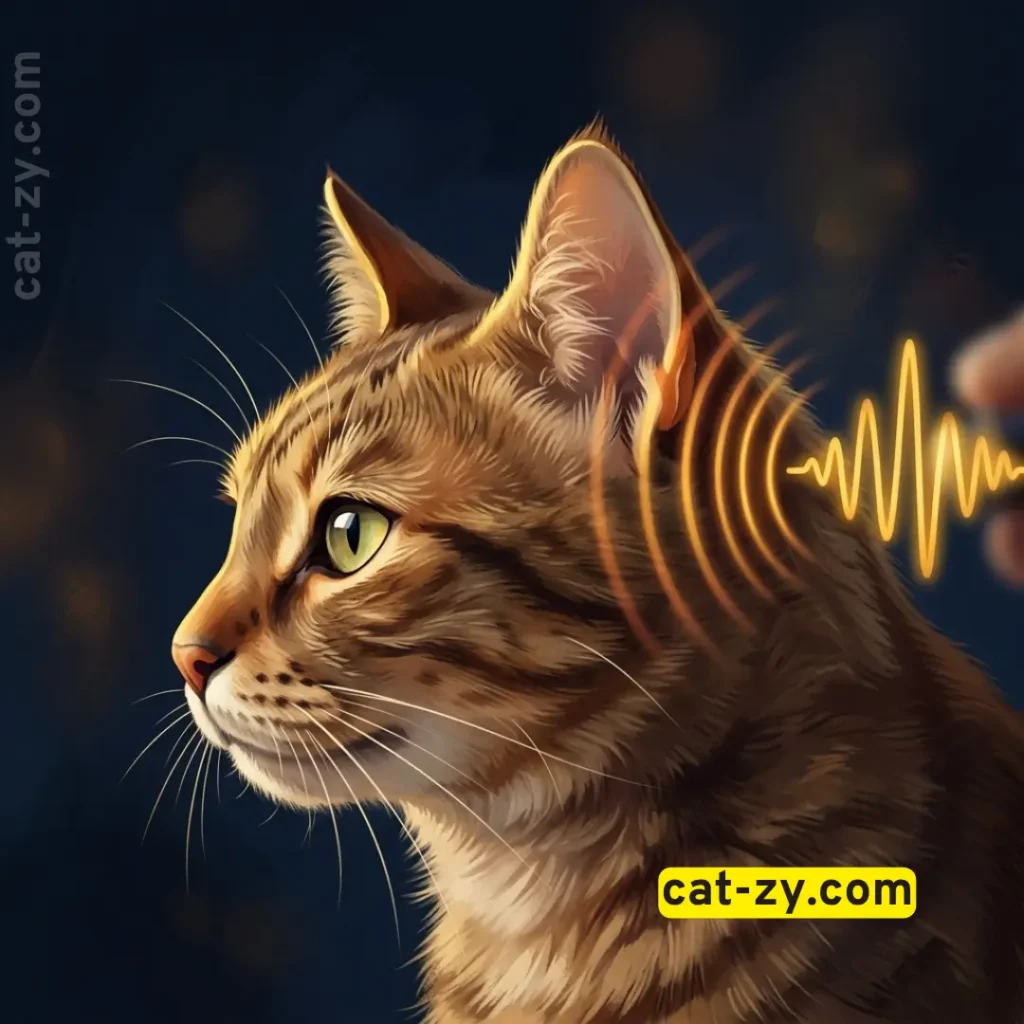
The science of cat clicker training is based on feline psychology and positive reinforcement techniques. It uses the cat’s behavior to teach them new actions. This makes it a great way to train cats.
How Clicker Training Works with Feline Psychology
Cat clicker training links a sound, the click, to a treat. This tells your cat they did something right. By knowing feline psychology, you can train your cat in a way that fits their nature.
Cats love sound and rewards, making the clicker very effective. It gives them instant feedback.
The clicker is a precise marker for your cat. It shows them exactly what they did right. This makes learning faster for them.
The Benefits of Positive Reinforcement for Cats
Positive reinforcement rewards good behavior with treats. It’s great for cats because it builds trust and encourages natural actions. It also avoids fear or stress.
Positive reinforcement does more than just train cats. It makes your relationship with them better. It makes cats more interactive and can solve problems like boredom or stress.
Essential Tools and Preparation for Successful Training
Starting cat clicker training right means having the right gear and a quiet spot. You need the right tools and a good place to train your cat.
Choosing the Right Clicker and High-Value Treats
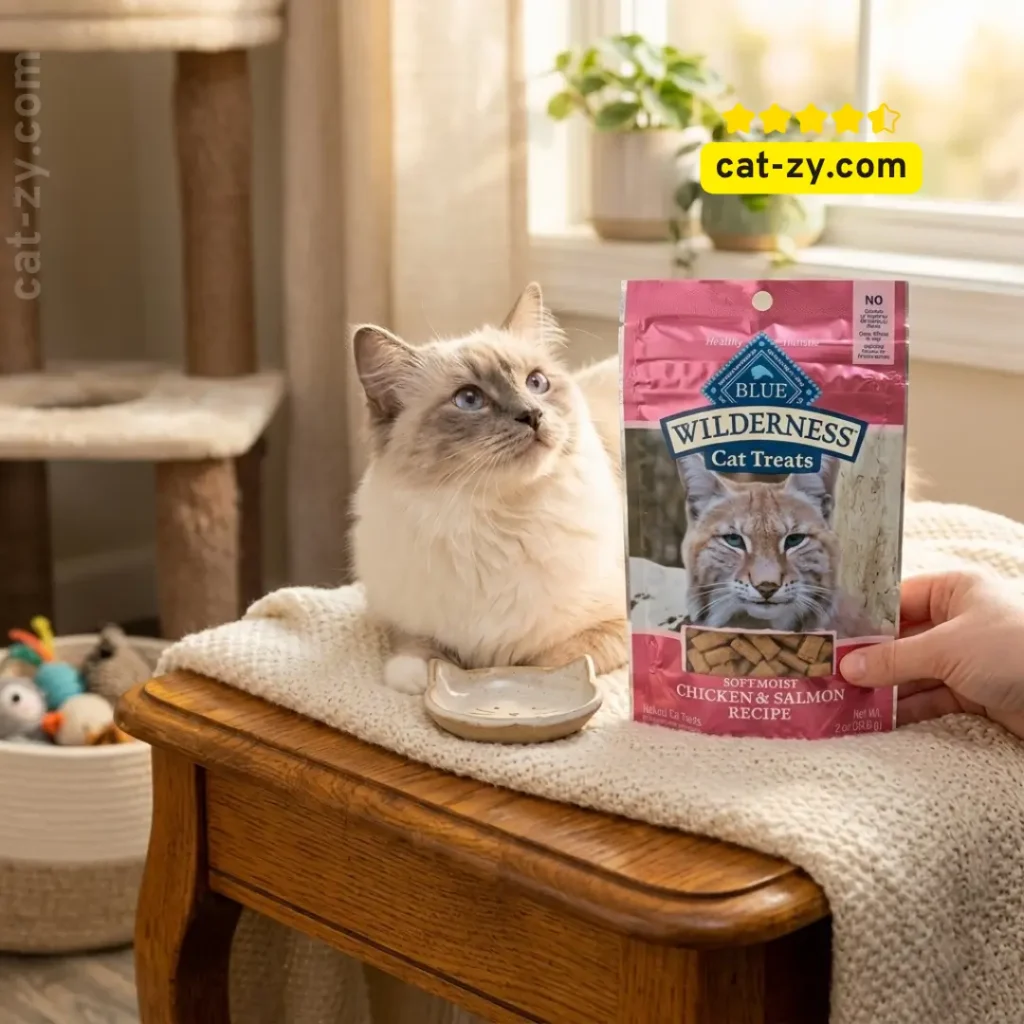
The first thing is to pick the right clicker. There are many types, like box and button clickers. Choose one you like and that your cat responds to. Also, get High-value treats for rewards. These treats should be small, tasty, and something your cat really wants.
Using these treats keeps your cat interested and motivated. This is key for successful training.
Creating an Ideal Distraction-Free Training Environment
Having a quiet place for training is crucial. Find a spot in your home where your cat feels safe and calm. Make sure it’s away from distractions like other pets, loud noises, and family members.
By reducing distractions, your cat can focus better. This leads to more effective and efficient training.
Types of Clickers and How They Compare
Box Clicker vs Button Clicker: Which One Fits Your Cat?
Not every clicker sounds the same, and that matters more than most guides let on. The classic box clicker, the small rectangular plastic tool with a metal strip inside, gives off a sharp, crisp snap when you press it. It’s the tool most trainers reach for first because the sound carries well and stays consistent every single time you press it. If you’re just starting with cat clicker training, a box clicker is usually the safer bet since the sound is distinct enough that your cat won’t confuse it with anything else happening in the house.
Button clickers work a bit differently. Instead of pressing down on a metal strip, you push a small button on top, similar to clicking a pen. The sound is softer and slightly muffled compared to a box clicker. Some trainers prefer button clickers because they’re easier to operate with one hand while holding a treat pouch or target stick in the other, which comes in handy once your sessions get a little more advanced. The PetSafe Clik-R is a common example of this button style, and it’s built with a recessed button specifically so the sound stays gentler.
Neither type is objectively better. It really comes down to your cat’s temperament and your own hand coordination. A cat who’s confident and food-motivated usually won’t care which clicker you use. A cat that startles easily might respond better to the softer click of a button model.
Silent Clickers for Sound-Sensitive Cats
Some cats just don’t do well with sharp noises, and that’s fine; it doesn’t mean clicker training is off the table. It means you need to adjust the tool. Silent or muted clickers exist for exactly this reason. The PetSafe Clik-R mentioned above was actually designed with sound-sensitive pets in mind, and its adjustable volume is one of the main reasons trainers recommend it for nervous or easily startled cats.
Another workaround, if you don’t want to buy a dedicated silent clicker, is muffling a standard box clicker slightly with your hand or wrapping a bit of cloth around it during the first few sessions. This softens the sound without eliminating the distinct click your cat needs to hear. Once your cat seems comfortable and isn’t flinching or hiding when they hear it, you can gradually remove the muffling.
You can also test sensitivity before committing to a full session. Click once from across the room and watch your cat’s reaction. Calm curiosity is a good sign. Flattened ears, a lowered body, or bolting out of the room tell you to switch to a quieter option before you go any further.
Whichever clicker you choose, the tool itself is only half the equation. What actually makes cat clicker training work is timing and consistency, not the specific device in your hand. Pick the clicker your cat responds to calmly, then stay consistent with how you use it session after session.
The 7 Fundamental Cat Clicker Training Techniques
Starting your cat clicker training journey is easy with seven key techniques. These methods go from simple to complex, making training fun for both you and your cat.
Technique 1: The Basic Click-and-Treat Foundation Method
The click-and-treat method is the basis of cat training. It links the clicker sound with treats, creating a positive reward. Begin by teaching your cat to connect the clicker sound with a treat. Give your cat a treat right after clicking. Keep doing this until they look at you when they hear the clicker.
Technique 2: Target Training with a Pointer or Stick
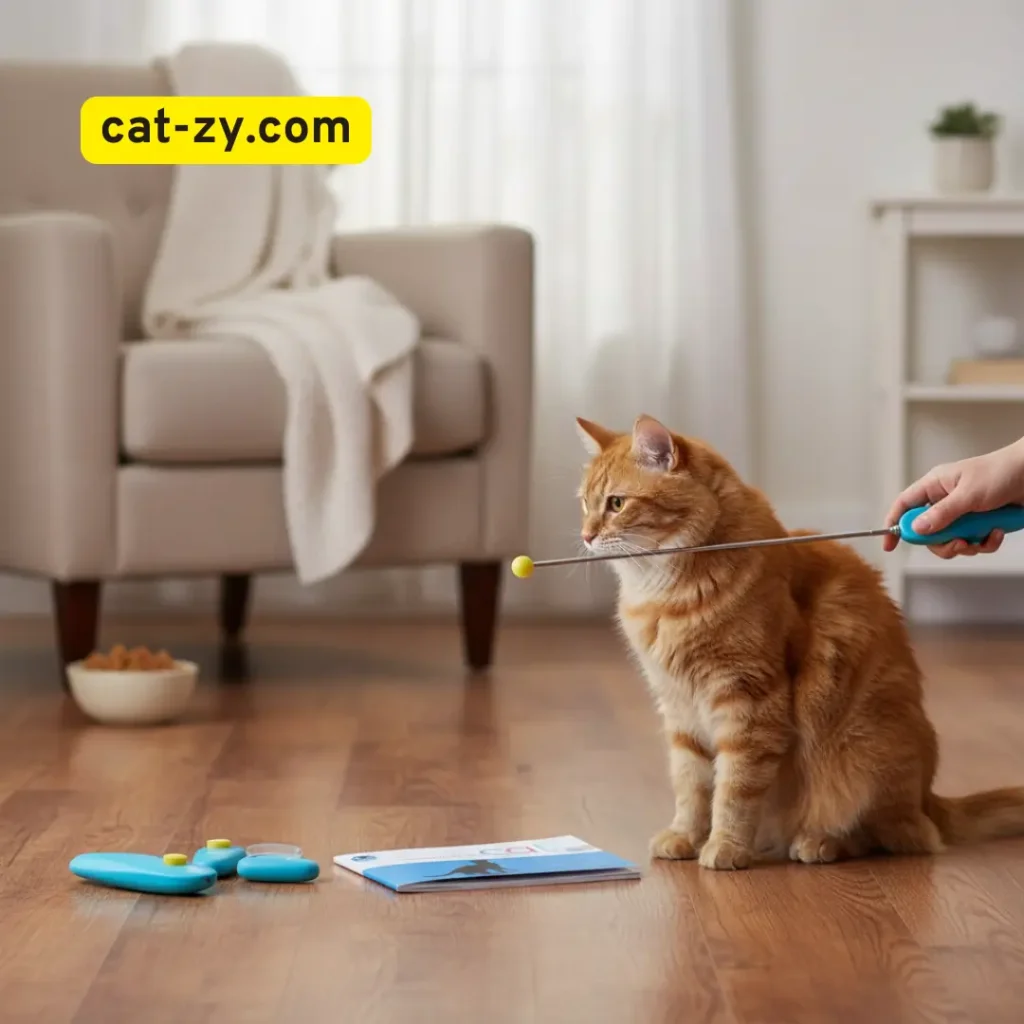
Target training teaches your cat to touch a stick or pointer with their nose or paw. It guides their actions and behaviors. Start by holding the target stick near your cat’s nose and click when they touch it. Then, move the stick to encourage them to follow.
Technique 3: Shaping Complex Behaviors Through Gradual Steps
Shaping behaviors means building complex actions step by step. For example, to teach your cat to “shake hands,” start by rewarding them for lifting their paw. Keep raising the reward criteria until they do the action you want.
Technique 4: Capturing and Reinforcing Natural Behaviors
Capturing rewards your cat for behaviors they naturally do. If your cat sits, click and reward them right away. This encourages them to do it again.
Technique 5: Chaining Multiple Behaviors for Advanced Tricks
Chaining behaviors links several actions to create a complex trick. Teach each part separately, then link them together, rewarding your cat at the end. This needs patience and practice.
Technique 6: Incorporating Verbal Cues with Click Reinforcement
Adding verbal cues to cat clicker training helps you communicate better with your cat. Say the cue (like “sit”) before clicking and treating. Over time, your cat will connect the cue with the action.
Technique 7: Integrating Training Elements into Playtime
Mixing training into play makes learning fun for both you and your cat. Use play as a reward or add training to play activities. This keeps your cat engaged and happy.
Mastering these seven techniques can greatly improve your cat’s behavior and your bond with them. Remember, patience and consistency are crucial for successful training.
Implementing an Effective Progressive Training Schedule
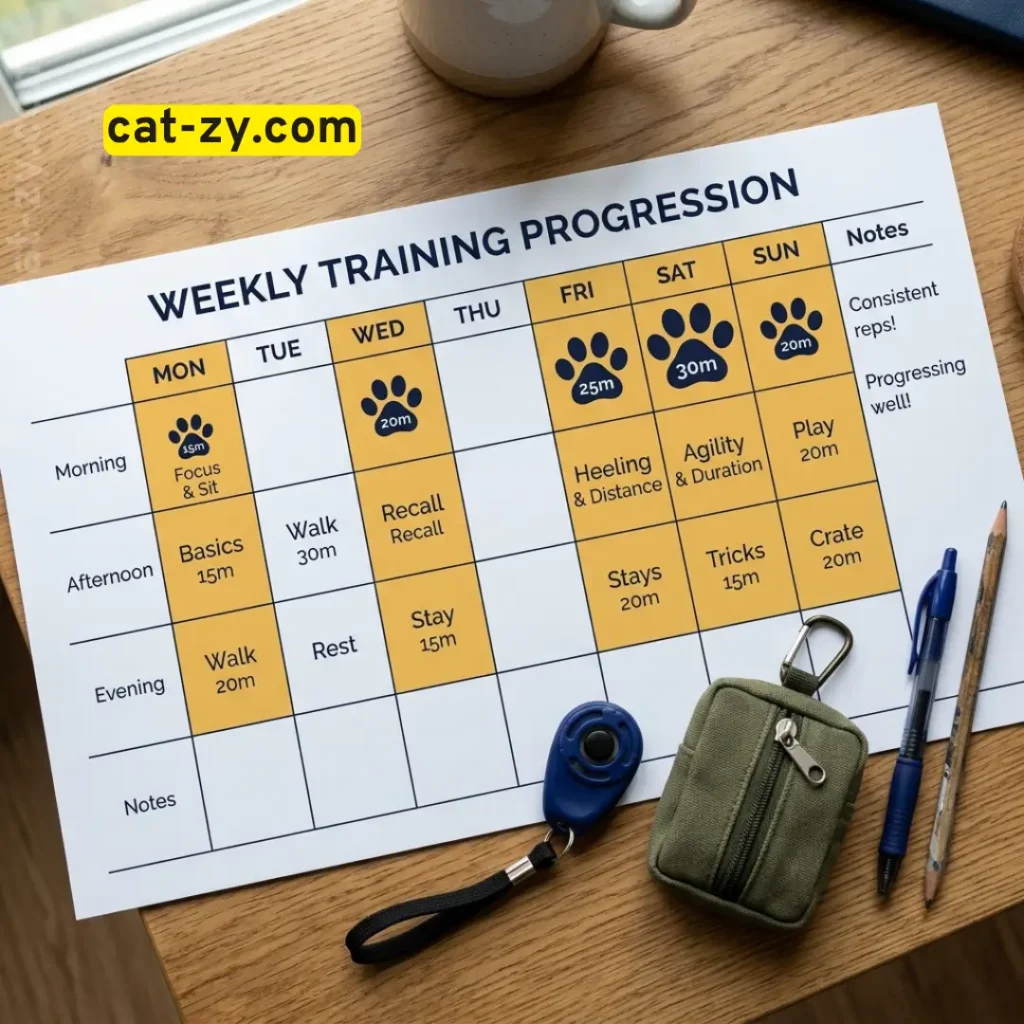
The secret to successful cat clicker training is a well-thought-out progressive training schedule. This plan helps you and your cat move through training smoothly. It leads to lasting results.
Starting with 5-Minute Focused Training Sessions
Start with 5-minute focused training sessions. This length is engaging for your cat but short enough to avoid boredom. It sets a positive tone for training.
Advancing from Simple Commands to Complex Behaviors
When your cat gets comfortable with cat clicker training, add complex behaviors gradually. Move at a pace that keeps your cat comfortable and not overwhelmed. This way, you can reach more advanced training goals.
Maintaining Consistency Without Causing Training Burnout
Consistency is key in clicker training, but so is avoiding training burnout. Mix up your training and take breaks often. This keeps training fun and effective for both you and your cat, leading to long-term success.
Common Beginner Mistakes
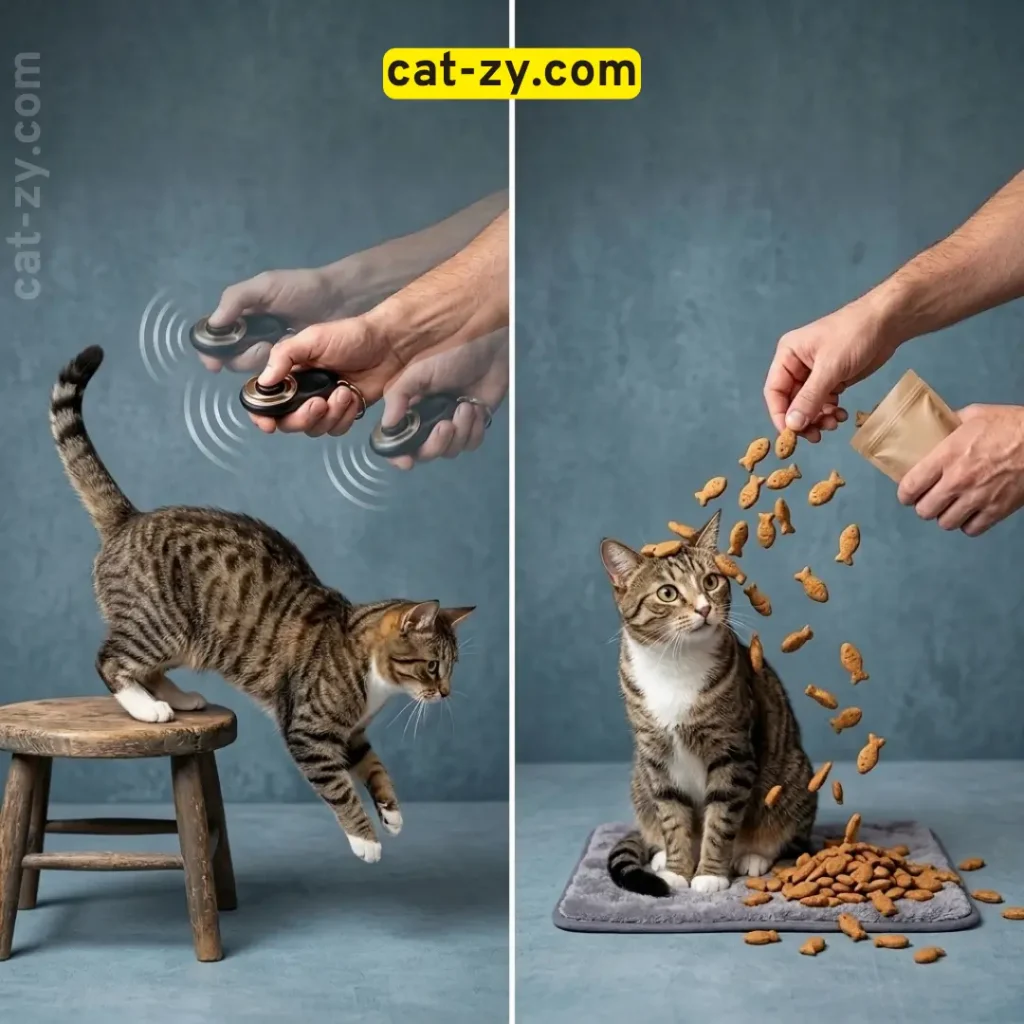
Even the most well-intentioned cat clicker training sessions can go sideways because of small, easy-to-miss habits. These mistakes don’t mean the method isn’t working; they just mean a few adjustments are needed. Here are the two most common ones and how to fix them.
Clicking Too Late: The Timing Mistake
This is probably the single biggest reason cat clicker training doesn’t work the way people expect it to. The click has to land at the exact moment your cat does the behavior you want, not half a second after. Cats live in the present, and their brains connect the sound to whatever they’re doing right when they hear it. If you click after your cat has already looked away or shifted position, you’re accidentally rewarding that instead of the sit, touch, or paw lift you were actually going for.
A lot of new trainers wait until the treat is already in hand before clicking, thinking of the click and the reward as one combined action. They’re not. The click marks the behavior. The treat follows afterward, and it can follow a second or two later without causing problems. What can’t wait is the click itself. If you find your timing is consistently off, slow everything down. Ask your cat for something simple, like touching a target stick, and practice clicking the instant contact happens, before you even reach for the treat. Some trainers find it helps to click with their less dominant hand so the treat-hand movement doesn’t distract them from watching the behavior closely.
It also helps to remember that a click is a promise. Once you press it, a treat is coming no matter what happens next. If your cat wanders off or does something else immediately after the click, you still follow through. Breaking that promise, even once, teaches your cat the sound doesn’t always mean anything, and that undermines the whole method.
Overusing Treats vs Praise
The second mistake shows up in the opposite direction: leaning too hard on food and skipping the connection that should be building underneath it. Cat clicker training works because it pairs a clear signal with a reward your cat actually wants, and for most cats, that reward is food. But treats are a tool to get the behavior started, not something meant to run the show forever.
Some owners keep treating every single repetition indefinitely, long after the cat has clearly learned the behavior. This isn’t dangerous, but it does slow down progress in a different way. Cats that only ever perform for food tend to stop responding the moment the treats aren’t visible, which isn’t really training; it’s more like bribery repeated on a loop. Once your cat reliably performs a behavior on cue, start mixing things up. Click and treat some repetitions, and on others, click and offer verbal praise or a bit of affection instead. This keeps your cat engaged for the behavior itself, not just the food in your hand.
The flip side matters too. Don’t swing so far toward praise that you drop treats too early in the learning process. A cat that’s still figuring out what a click means needs consistent, tangible rewards to build that association in the first place. Timing your fade from treats to praise around your cat’s actual progress, not a fixed schedule, is what keeps the training solid.
Both of these mistakes are common, and neither one means clicker training isn’t working for your cat. They just mean the mechanics need a small adjustment. Get the timing sharp and balance treats with praise as your cat progresses, and the rest of the process tends to fall into place on its own.
Troubleshooting Common Cat Clicker Training Challenges
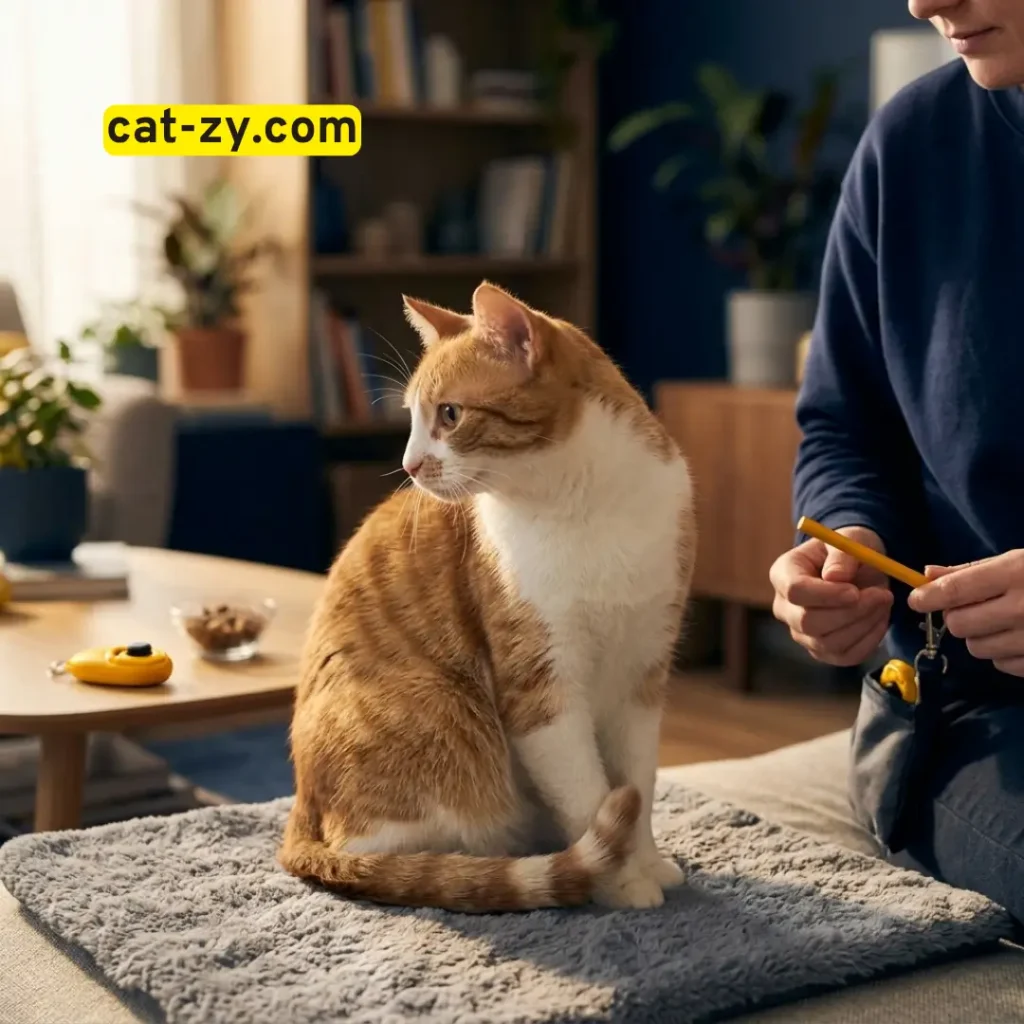
Mastering cat clicker training isn’t always easy. But knowing how to handle common problems can help a lot. As you start using these techniques, you might face a few issues. But with the right strategies, you can overcome them.
When Your Cat Loses Interest or Gets Easily Distracted
If your cat stops paying attention or gets distracted, check the environment and rewards. Make sure the training area is quiet and free from distractions. Also, try using better treats to keep your cat interested. You can change the training routine or add play to keep your cat engaged.
Addressing Fear, Anxiety, or Overstimulation During Training
Some cats might feel scared, anxious, or overwhelmed during training. Watch your cat’s body language closely. If you see signs of distress, change your approach. This could mean slowing down, using gentler methods, or taking breaks for your cat to relax.
Customizing Your Approach for Different Feline Personalities
Every cat is different, with their own personality and learning style. Adjust your training to fit your cat’s needs. For example, shy cats need patience, while active cats might enjoy a lively routine.
By understanding and tackling these common issues, you can improve your cat clicker training. This will make training more enjoyable for both you and your cat.
Conclusion: Building a Stronger Bond Through Clicker Training
Adding clicker training to your daily routine with your cat can really improve your bond. It’s not just about teaching tricks. It’s about understanding and connecting with your pet on a deeper level.
Clicker training is a great way to use positive reinforcement. It helps you build a strong bond with your cat. This bond is based on trust, clear communication, and respect for each other.
Clicker training makes you more engaged with your cat. You learn to understand their behaviors and respond in the right way. This not only improves your cat’s behavior but also strengthens your emotional connection. It makes your companionship more fulfilling and enjoyable.
By using clicker training, you’re not just teaching your cat tricks. You’re creating a lifelong bond that makes both your lives better. As you keep exploring clicker training, you’ll find new ways to strengthen your relationship and create a more harmonious home.
FAQ
What is cat clicker training?
Cat clicker training uses a clicker to mark good behaviors. You reward your cat with treats. This method encourages positive actions.
How do I choose the right clicker for my cat?
Pick a clicker that sounds good to your cat. Some cats might find loud ones scary. Look for cat-friendly clickers at pet stores or online.
What are high-value treats, and why are they necessary?
High-value treats are what your cat loves most. They’re key for training. They help your cat link good behavior with a reward.
How long should a cat clicker training session last?
Keep sessions short, about 5 minutes. This keeps your cat focused and happy. As they get better, you can make sessions longer.
My cat gets distracted easily. How can I minimize distractions during training?
Train in a quiet spot with no distractions. Turn off the TV and keep it quiet. Train when your cat is most alert.
Can I use cat clicker training for older cats or cats with disabilities?
Yes, you can adapt training for older or disabled cats. Adjust your methods to fit their needs. Get help from a vet or animal trainer.
How do I know if my cat is making progress in clicker training?
Watch how your cat responds to commands. If they do tricks well, they’re learning. This means training is working.
Can I use verbal cues with cat clicker training?
Yes, adding verbal cues helps. It makes your cat understand what you want. This makes training easier and lets you use the clicker less.

6 Comments