Why Do Cats Groom Each Other? 8 Fascinating Reasons

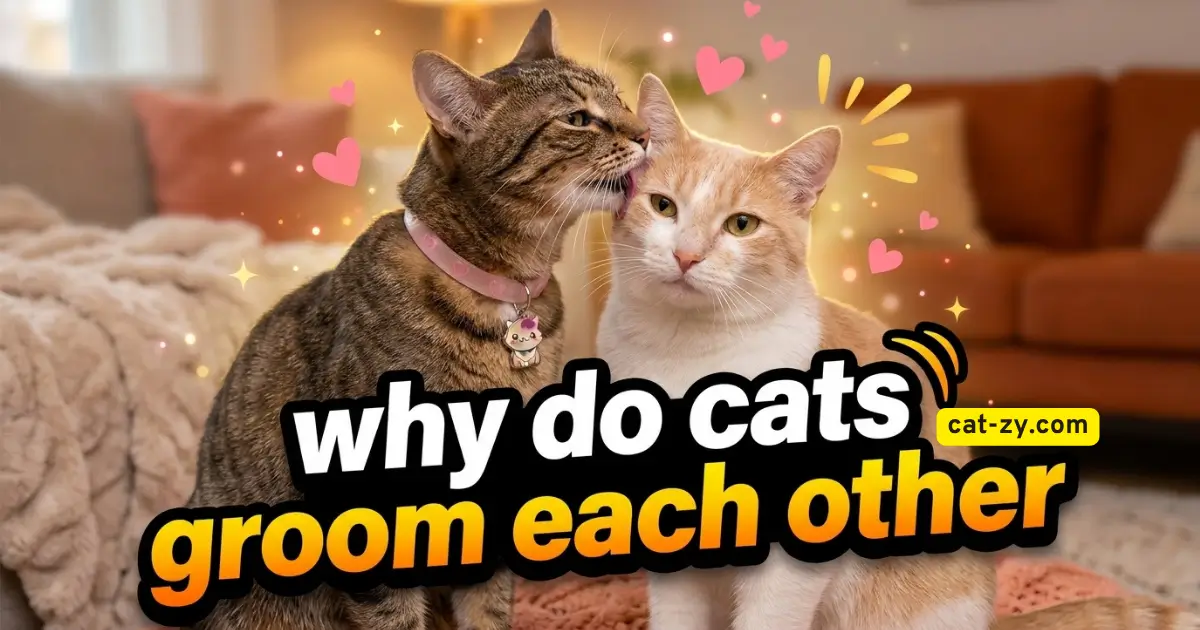
Have you ever watched your cats grooming each other and wondered, ‘Why do cats groom each other?’ It’s more than just keeping clean. This act is an important part of their social bonding. When they groom each other, they’re not just removing hair. They are reinforcing their relationship and showing trust.
They’re sharing comfort, strengthening their bond, and communicating in ways we can’t see. This behavior shows us a lot about their social world. It’s where care and communication meet in every gentle lick.
Table of Contents
Social Bonding And Trust Building in Cats
Social Foundations & Trust
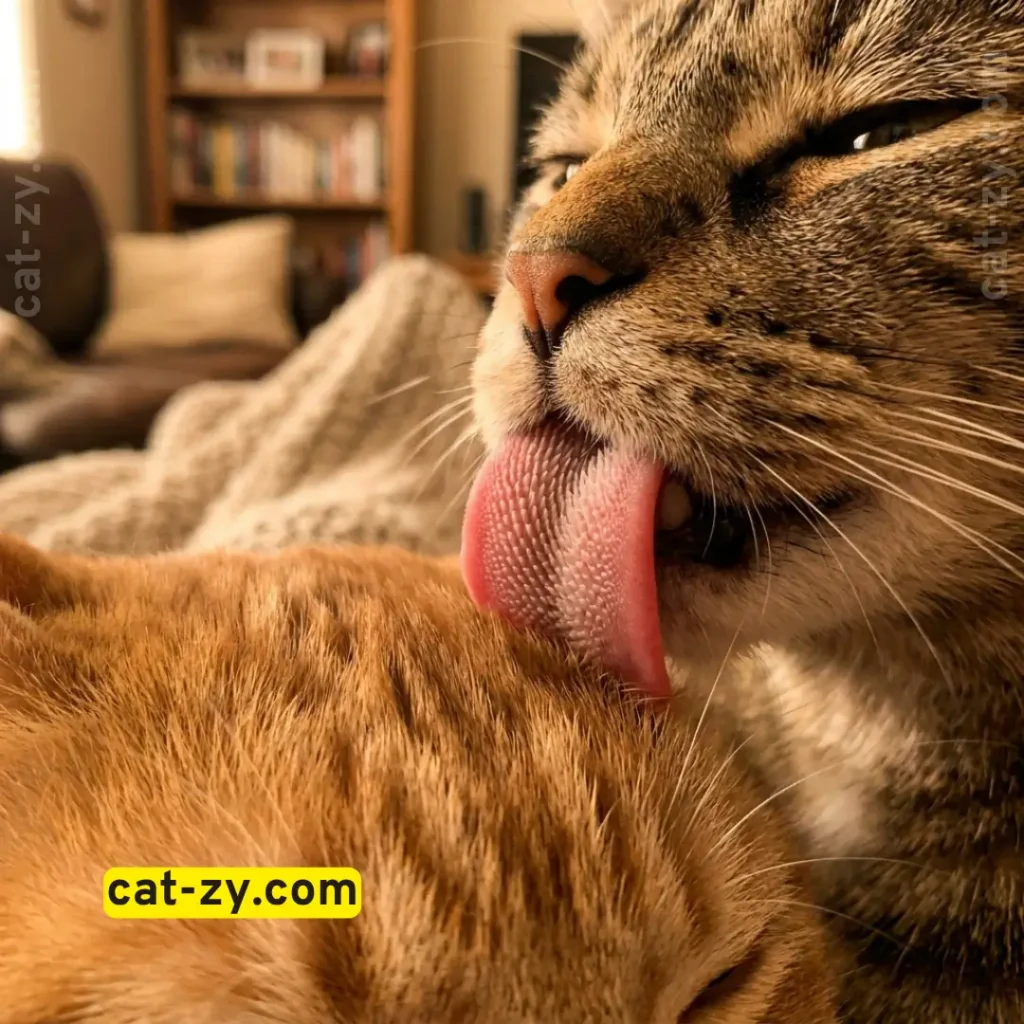
Mutual grooming, or allogrooming, serves as the fundamental social glue in the feline world. Starting in early kittenhood with maternal care, cats use licking as a non-verbal language to establish acceptance, comfort, and mutual trust among group members.
Scent Exchange & Group Harmony
By exchanging individual scents through their saliva and specialized glands, cats build a shared ‘family smell’ that reinforces group safety. Whether between indoor housemates or wild colony members, this continuous ritual helps resolve household tensions and deeply reinforces their emotional connection.
The Role of Hygiene and Self-Care in Grooming
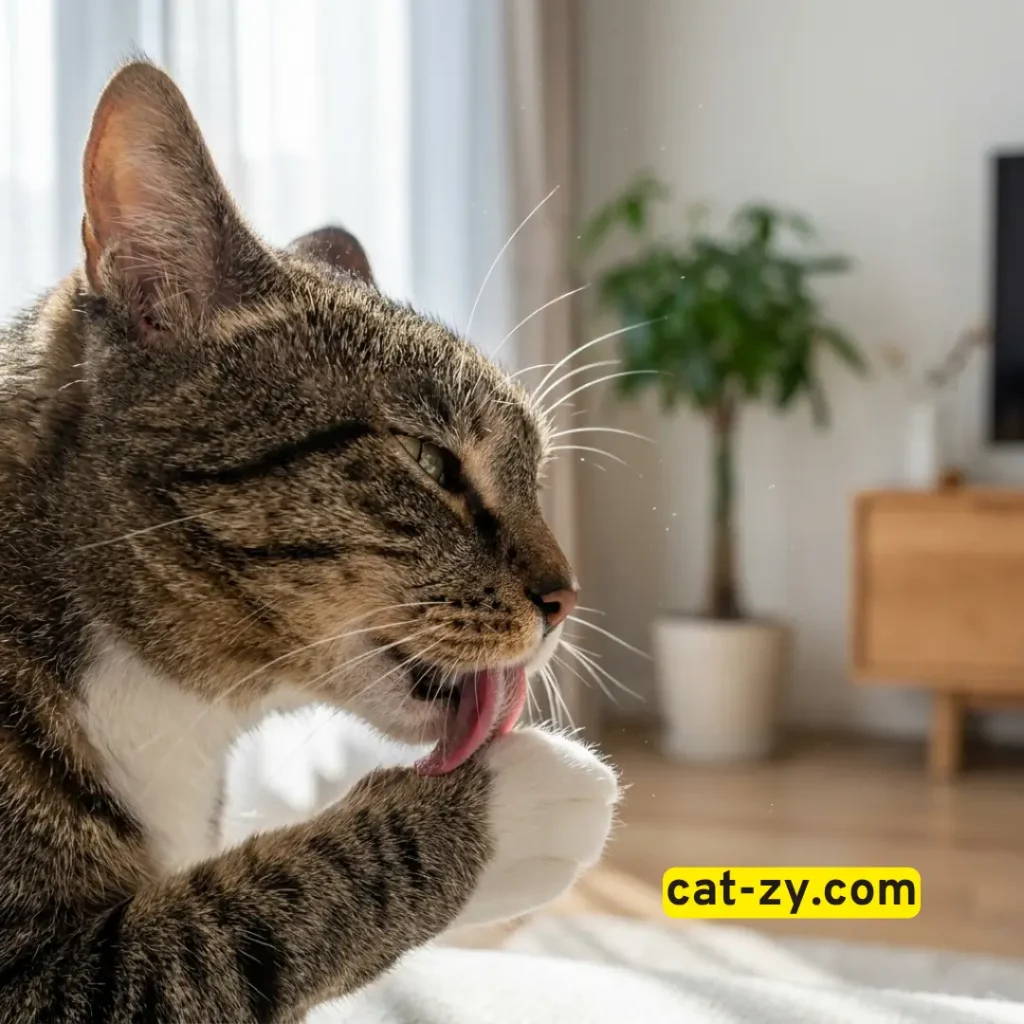
Cats groom themselves to stay clean and healthy. They lick their fur to remove dirt, dead skin, and loose hairs every day. This habit also helps control parasites like fleas and keeps their coat smooth and waterproof.
Mutual grooming strengthens social ties. It also meets practical needs. Cats clean each other’s hard-to-reach spots, like the back or tail. This teamwork keeps all members of a group hygienic, reducing infection risks and skin irritation.
Self-grooming is a form of self-care. The rhythmic licking motion calms cats, lowering stress hormones. But over-grooming may signal anxiety or discomfort. Watch for patches of missing fur or excessive licking, which could point to health issues.
Healthy grooming supports your cat’s well-being. Brushing your cat’s fur weekly helps remove tangles and mimics mutual grooming. It also lets you spot skin problems early, ensuring your pet stays comfortable and clean.
Thermoregulation: How Mutual Grooming Helps Cats Stay Cool
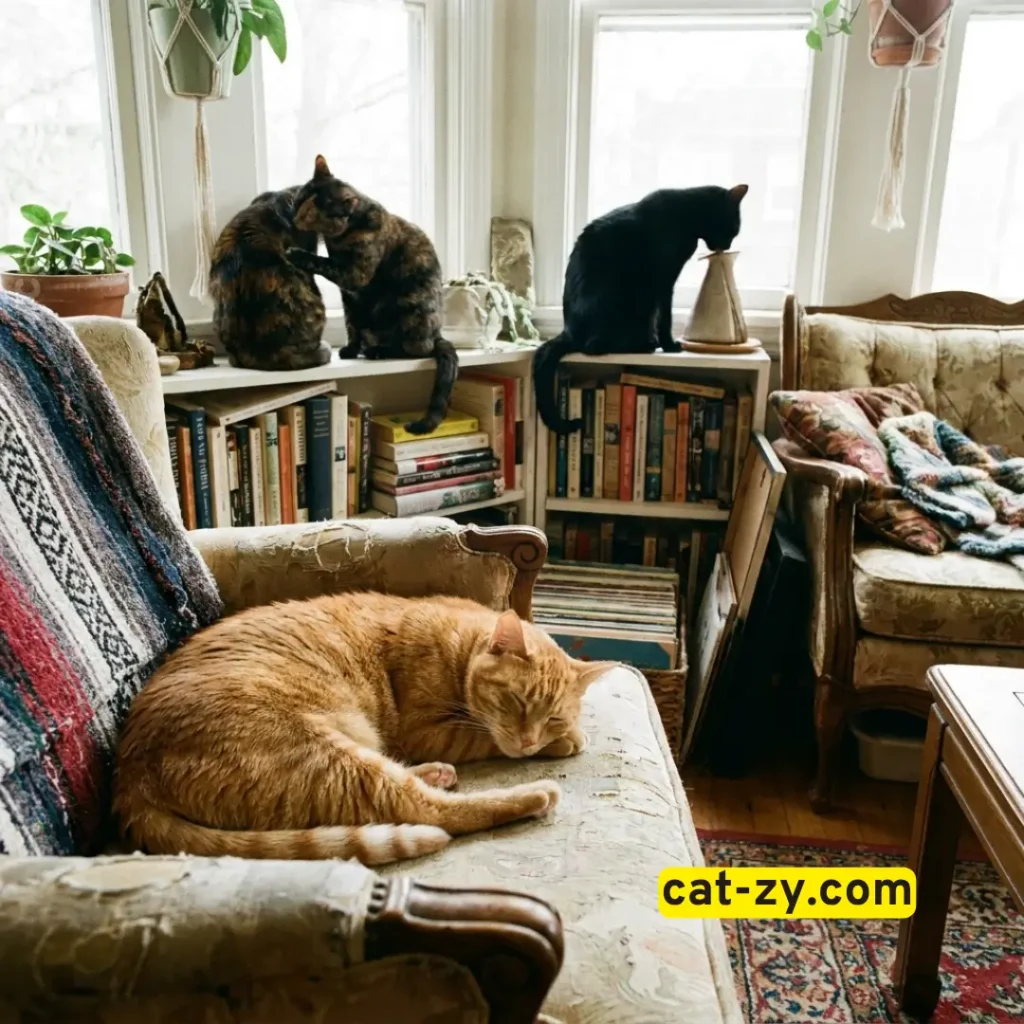
Understanding why do cats groom each other often comes down to social connection, but environmental factors like summer heat also influence this shared behavior. While cats primarily use self-grooming to regulate their individual temperature through evaporative cooling, mutual grooming plays a supportive role in seasonal comfort.
When bonded indoor companions share resting spaces during warmer months, their joint licking sessions help keep their coats light, ventilated, and comfortable.
Can cats use allogrooming to lower each other’s body temperature in hot weather?
A common question among pet owners is whether cats directly cool each other down through allogrooming. Strictly speaking, a cat’s primary method of cooling itself relies on licking its own coat. As the saliva evaporates from the fur, it dissipates heat, working similarly to human perspiration. However, when cats engage in allogrooming during hot weather, they indirectly support each other’s thermal comfort.
Cats cannot easily reach specific areas on their own bodies, such as the top of the head, the neck, and between the shoulder blades. During summer shedding cycles, dead fur quickly accumulates in these dense spots, trapping warm air against the skin. When one cat grooms another, it removes loose fur, mats, and dander from these hard-to-reach zones. By stripping away this insulating undercoat layer, allogrooming improves airflow through the coat, making the skin more accessible to natural air circulation. In this way, mutual grooming enhances overall ventilation rather than serving as a direct cooling mechanism.
Why do bonded cats groom each other more frequently around sleeping areas during summer?
If you observe your pets closely, you may notice that allogrooming sessions peak when cats settle down together in shaded lounge spots or cooling perches. Summer routines prompt cats to seek out quiet, low-energy environments to avoid unnecessary physical exertion during peak afternoon heat.
When bonded companions share a resting space, such as a multi-level cat tree or a wide window ledge, engaging in short mutual grooming rituals serves two clear behavioral functions:
- Coat Maintenance in Shared Spaces: Restful moments offer a calm opportunity to clean away excess summer shedding before napping side-by-side.
- Reinforcing Social Harmony: Warm weather can cause mild irritability. Brief, gentle grooming sessions lower tension and reinforce group security before cats settle into prolonged periods of rest.
Providing dedicated resting areas, such as elevated cat perches placed near cool airflow or shaded window nooks, gives bonded pairs comfortable territory to lounge, groom, and maintain their shared routine throughout the summer months.
The Science of Feline Grooming: Hormones, Scents, and Stress Relief
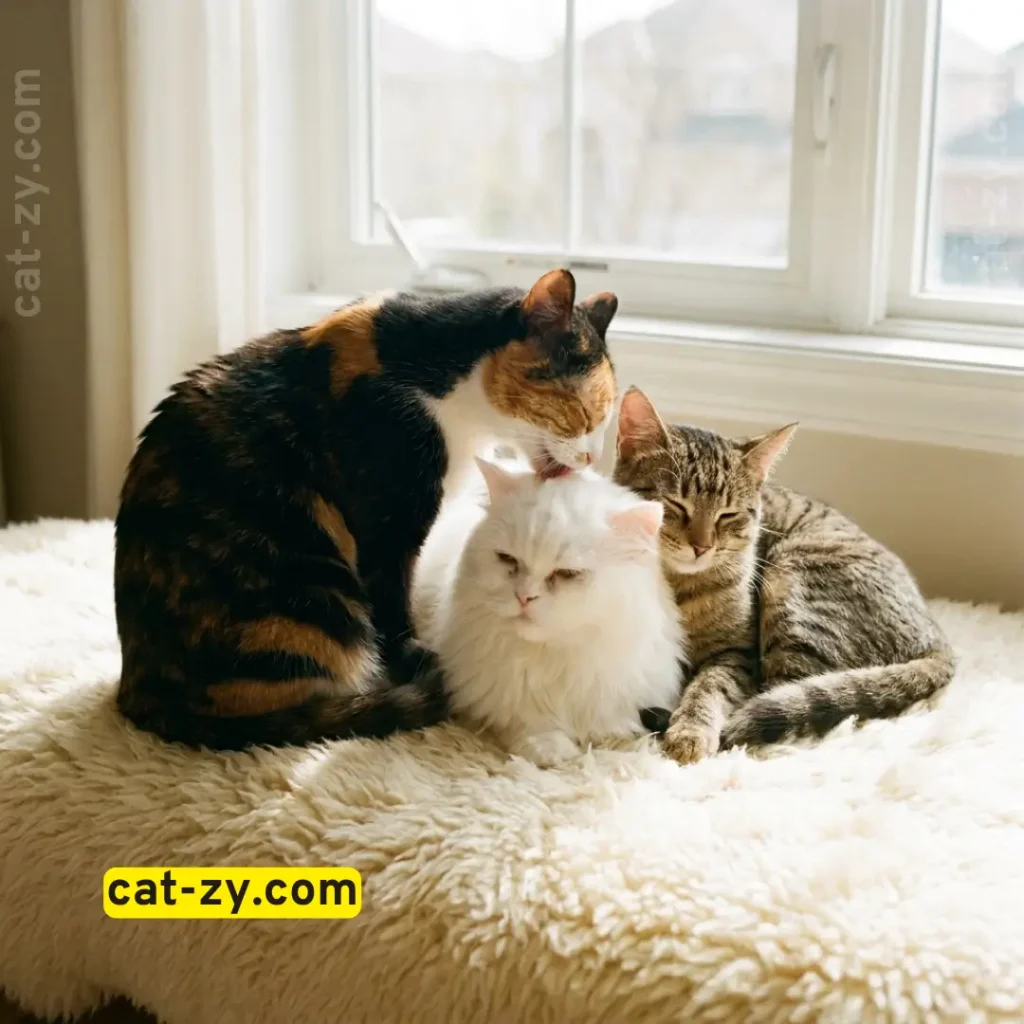
Social grooming, or allogrooming, is driven by fascinating biological processes. When cats groom each other, their bodies release oxytocin, often called the ‘love hormone’ which promotes feelings of trust, emotional attachment, and safety.
Beyond chemical responses, grooming serves as a powerful tool for scent exchange and communication. Cats possess specialized scent glands that leave pheromones on their companion’s fur. By blending their scents, they create a shared ‘group identity,’ allowing them to recognize each other as safe and familiar family members. Furthermore, studies show that this rhythmic ritual stimulates the brain’s reward centers, significantly reducing cortisol (stress hormones) and fostering a calmer environment.
Allogrooming Between Cats That Do Not Know Each Other
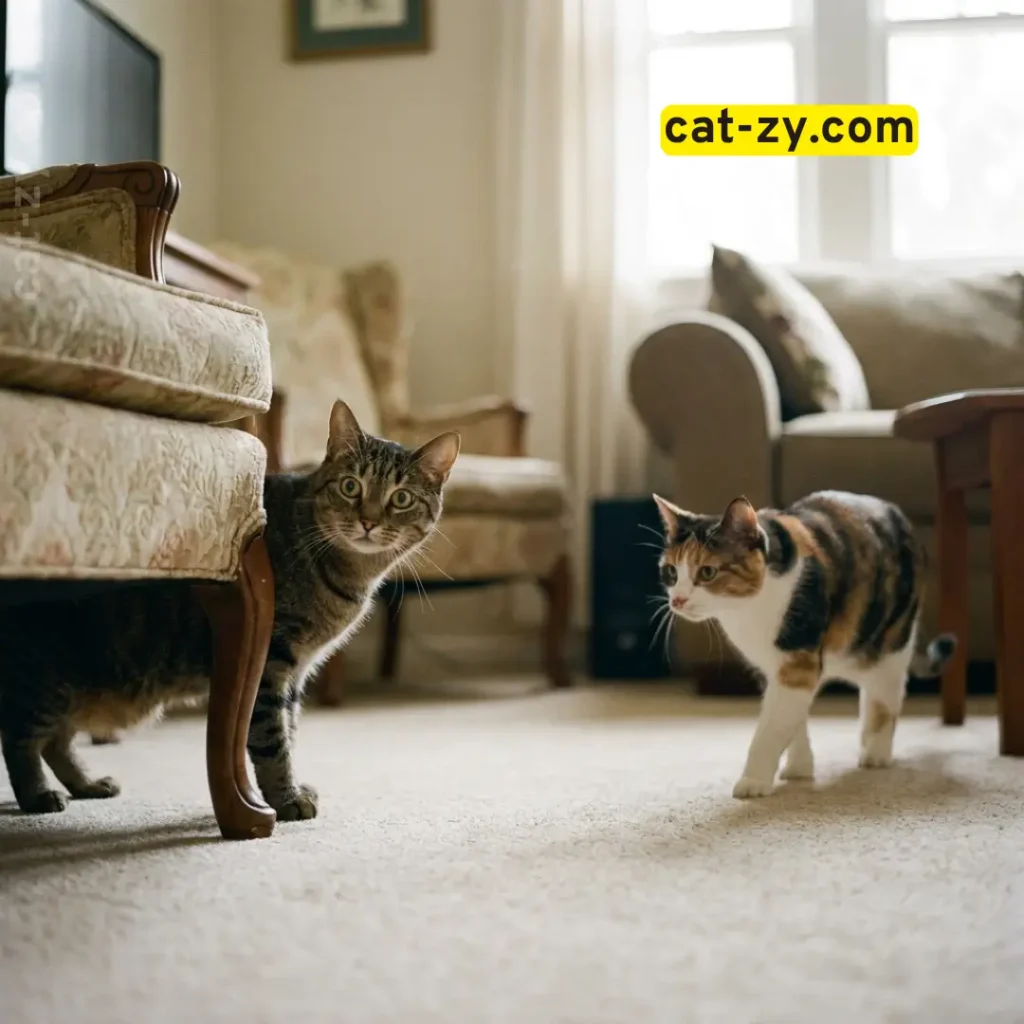
Most articles about why cats groom each other focus on cats that already share a home and a bond. But what happens when two cats are strangers? This is a question many owners face the moment they bring a new cat through the door.
Do Cats Groom Strangers? How New Cats Build Trust
The short answer is: not right away. Cats are territorial by nature, and a new cat in the space is first seen as an intruder, not a companion. Before any grooming happens, cats need time to adjust to each other’s scent, presence, and body language. Grooming a stranger would require a level of trust that simply hasn’t been built yet.
In the early stages of introduction, you are more likely to see sniffing, cautious observation, or even avoidance. Grooming comes much later, once both cats have decided the other is safe.
How Long Before Two Cats Start Grooming Each Other?
There is no fixed timeline, and anyone who gives you an exact number is guessing. Some cats begin grooming a new companion within a few weeks. Others take several months. A lot depends on the individual personalities involved: a confident, sociable cat will warm up faster than a shy or anxious one.
The introduction process also plays a role. A gradual introduction, where cats get used to each other’s scent before any face-to-face contact, tends to lead to faster social bonding, including grooming.
Introducing a New Cat: Will They Ever Groom Each Other?
Not every pair of cats reaches the grooming stage, and that is completely normal. Some cats coexist peacefully without ever becoming close enough to groom each other. Others surprise their owners by becoming inseparable.
What matters most is patience. Pushing cats together too quickly often creates tension that sets the relationship back. Give them space, let trust build at their own pace, and grooming may follow naturally when they are both ready.
Grooming Dynamics: Frequency, Hierarchy, and Dominance
Grooming Patterns & Social Dynamics
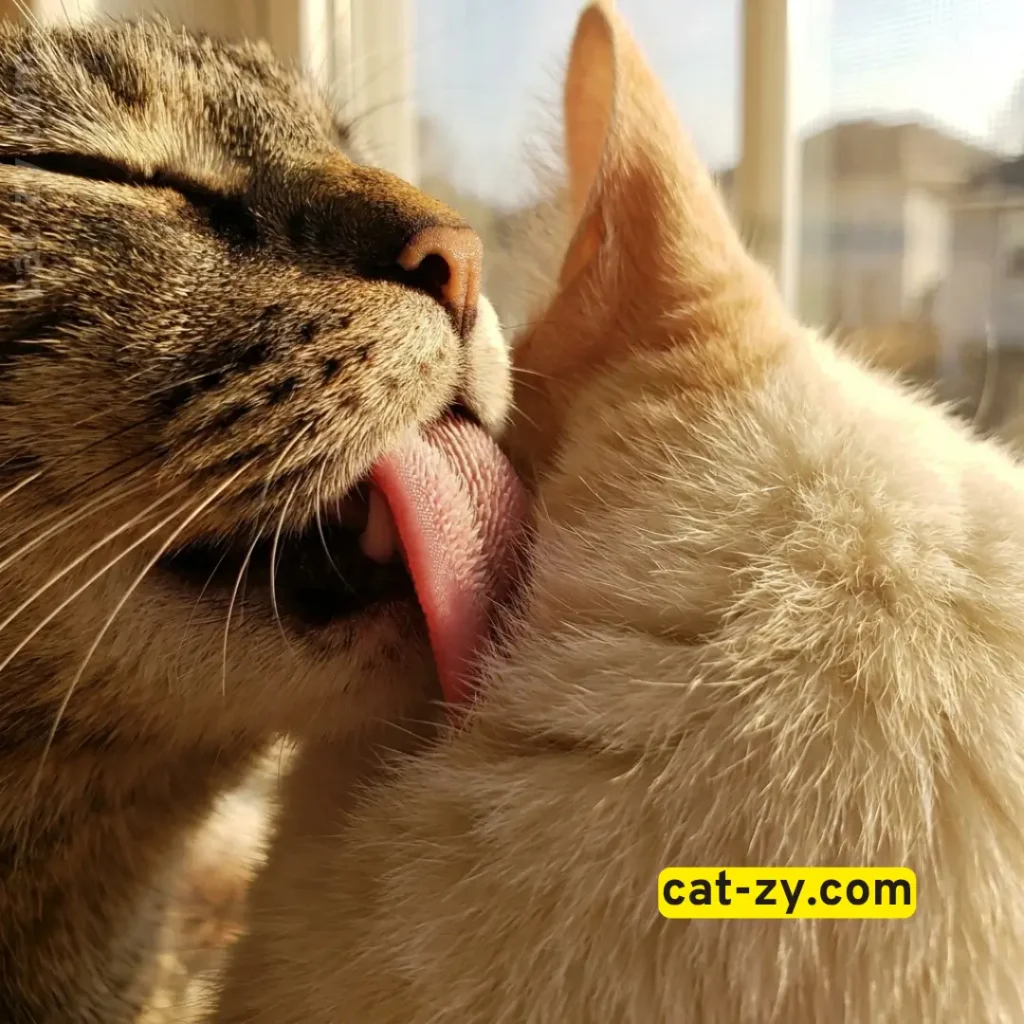
Understanding how often and where cats groom each other offers key insights into their social hierarchy and daily interactions. In multi-cat households, bonded pairs typically engage in mutual grooming sessions lasting between 5 to 10 minutes daily, usually occurring during calm periods such as right after meals or before shared naps. During these sessions, cats strategically target hard-to-reach areas, specifically the head, neck, and ears where an individual cat cannot easily groom itself.
Beyond basic maintenance, this routine serves as a vital social habit within the home. It reinforces a shared group scent, promotes deep relaxation, and helps keep everyday stress levels low among housemates.
Hierarchy, Dominance & Stress Signals
Interestingly, mutual grooming is frequently initiated by the dominant cat as a gentle assertion of social status rather than pure affection. Lower-ranking companions usually accept this gesture quietly to maintain peace and harmony within the group. A dominant cat will often stand slightly above the other, focusing intensely on the head and forehead. However, subtle shifts in this behavior can reveal underlying social dynamics. If grooming sessions suddenly drop in frequency, turn into aggressive biting, or focus restrictively on one body part, it usually signals emerging territorial stress or environmental tension that requires closer attention from the owner.
When Does Cat Grooming Become a Problem?
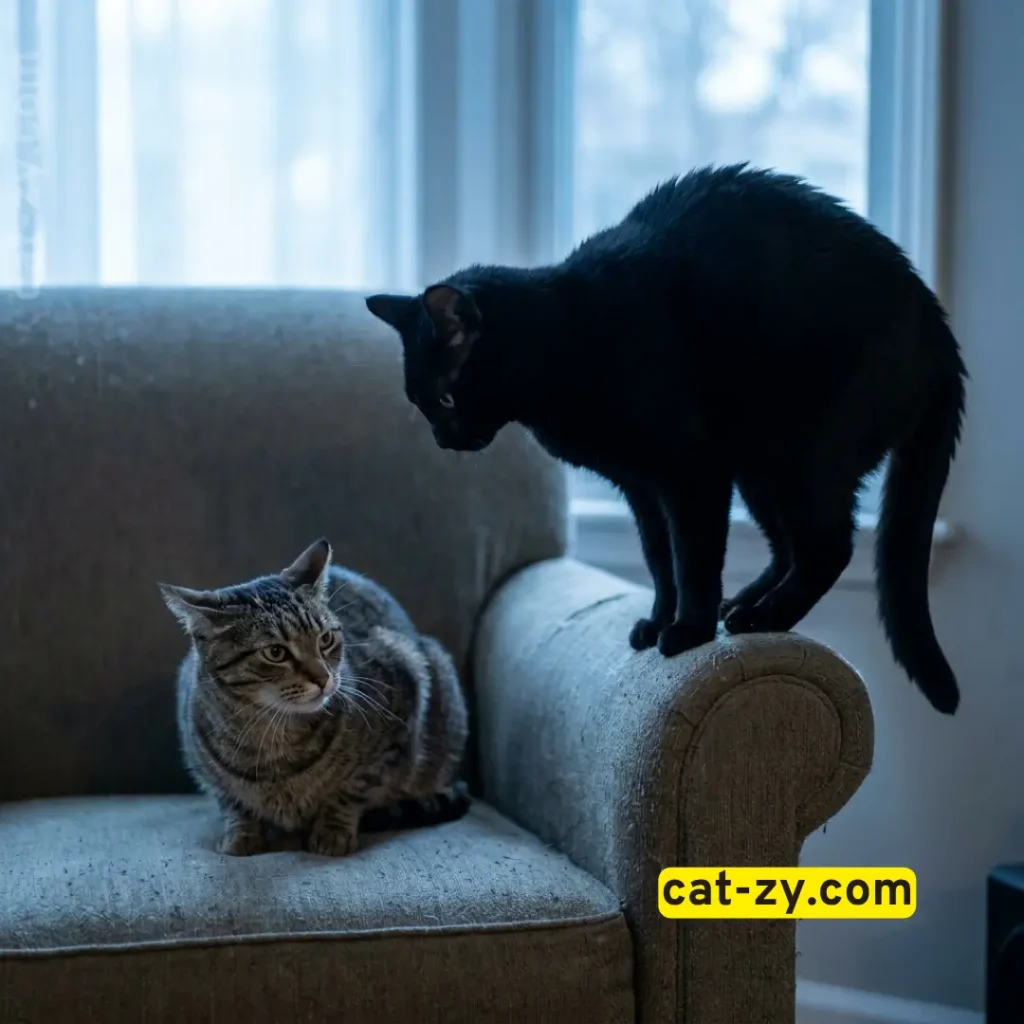
Grooming between cats is usually a heartwarming sight, but it doesn’t always stay that way. Sometimes what starts as a gentle bonding moment shifts into something more tense. Understanding these shifts can help you read your cats’ dynamic more clearly.
When Does Grooming Become Aggressive? Signs to Watch
Not every grooming session is created equal. Watch for these signals that the mood has changed:
- One cat repeatedly pins the other down while grooming
- The cat being groomed tries to pull away, but can’t
- Ears flatten, tails flick, or low vocalizations appear mid-session
- The grooming focuses on one spot intensely rather than flowing naturally
When you notice these signs, the session has likely moved from affection into control. It’s less about care and more about establishing who’s in charge.
Why Do Cats Groom Each Other Then Bite?
This is one of the most common questions cat owners ask, and it makes sense because the switch can feel sudden. In reality, it usually follows a pattern. The grooming session starts warmly, but one cat reaches a threshold: it has had enough, or the other cat keeps going past what feels comfortable. A quick nip is how cats communicate, “we’re done here.”
This behavior is also linked to dominance. A more assertive cat may groom a lower-ranking companion and then bite as a way of reinforcing its position. It is worth noting that one bite and a brief chase are normal. Repeated biting or escalating tension is a sign the relationship needs closer attention.
Quick Behavior Tip: Affection vs. Dominance
Pay close attention to body posture during mutual grooming. Affectionate grooming is usually relaxed and reciprocal, whereas dominant grooming is one-sided, often targeting the top of the head while keeping the other cat stiff or pinned down.
The Difference Between Affectionate Grooming and Dominant Grooming
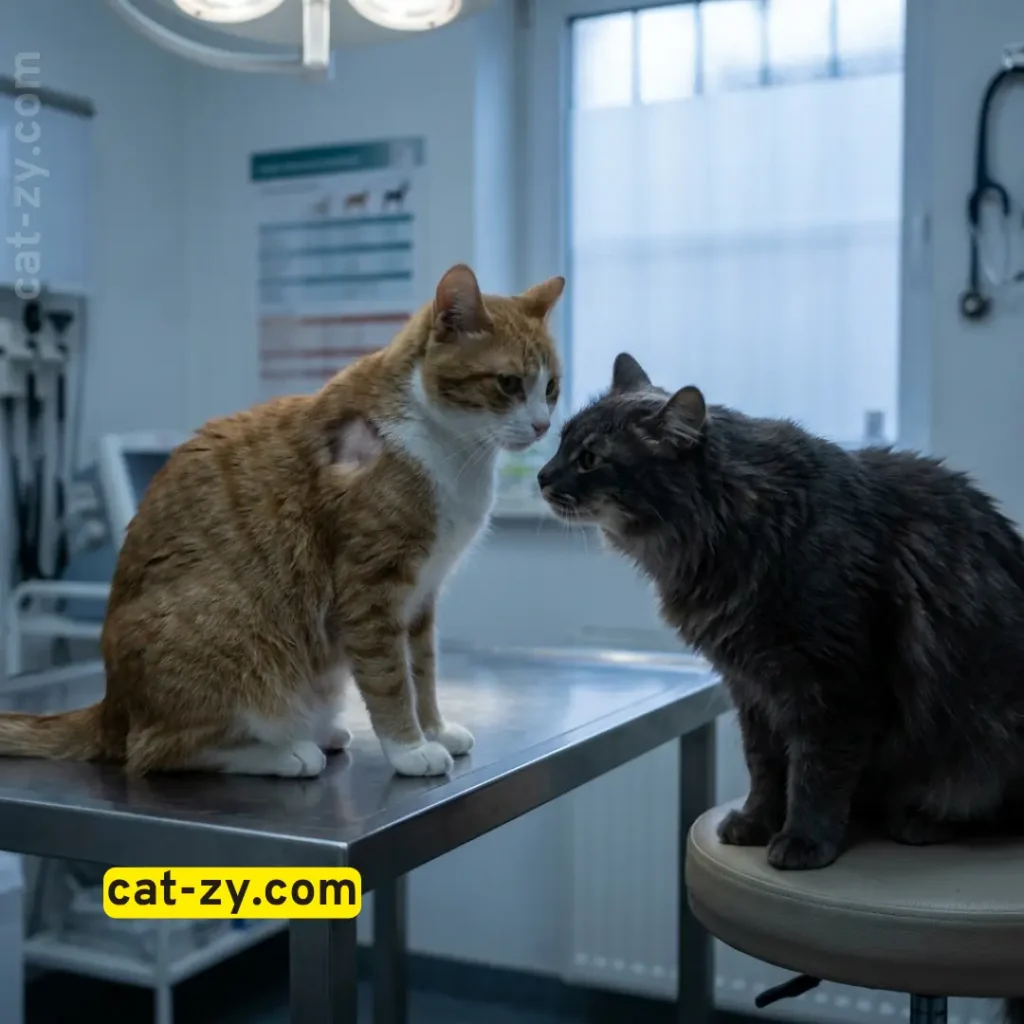
So why do cats groom each other in ways that feel so different? Because grooming serves two distinct purposes depending on the relationship.
Affectionate grooming tends to be mutual. Both cats take turns, the session flows calmly, and both animals look relaxed when it ends. Dominant grooming, on the other hand, is one-directional. One cat initiates and rarely receives grooming in return. The groomed cat may look slightly stiff or watchful rather than settled. Recognizing this difference gives you a clearer picture of how your cats actually feel about each other.
How Owners Can Support Grooming Behavior Between Cats
You cannot force two cats to groom each other, and trying to will usually backfire. But there are things you can do to create the right conditions for it to happen naturally.
How to Encourage Your Cats to Groom Each Other
The foundation is a low-stress environment. Cats that feel safe and settled around each other are far more likely to engage in social behaviors, including grooming. If there is ongoing tension in the household, grooming will be one of the first behaviors to disappear.
A few practical steps that genuinely help:
- Keep feeding stations, litter boxes, and resting spots separate so cats never feel they have to compete
- Allow cats to choose when and how much they interact, without being pushed together
- Use a slow and structured introduction process for any new cat entering the home
- Maintain a consistent daily routine, since cats are creatures of habit, and unpredictability raises their stress levels
Tips to Create a Grooming-Friendly Environment
Creating the right environment is a key factor in understanding why do cats groom each other, as it fosters the social comfort they need to bond.
Cat trees with multiple platforms.

Investing in a cat tree that features multiple levels gives your pets their own distinct areas to lounge. When they have plenty of room to occupy these structures, they often choose to rest in proximity to one another. This shared vertical space helps them grow accustomed to each other’s presence, which is an essential step toward social bonding.
Window perches
Installing window perches offers a great way for cats to observe the outside world together. These spots naturally become popular hangouts where cats feel safe and relaxed. By sharing these elevated locations, they build the familiarity and comfort necessary for future grooming sessions.
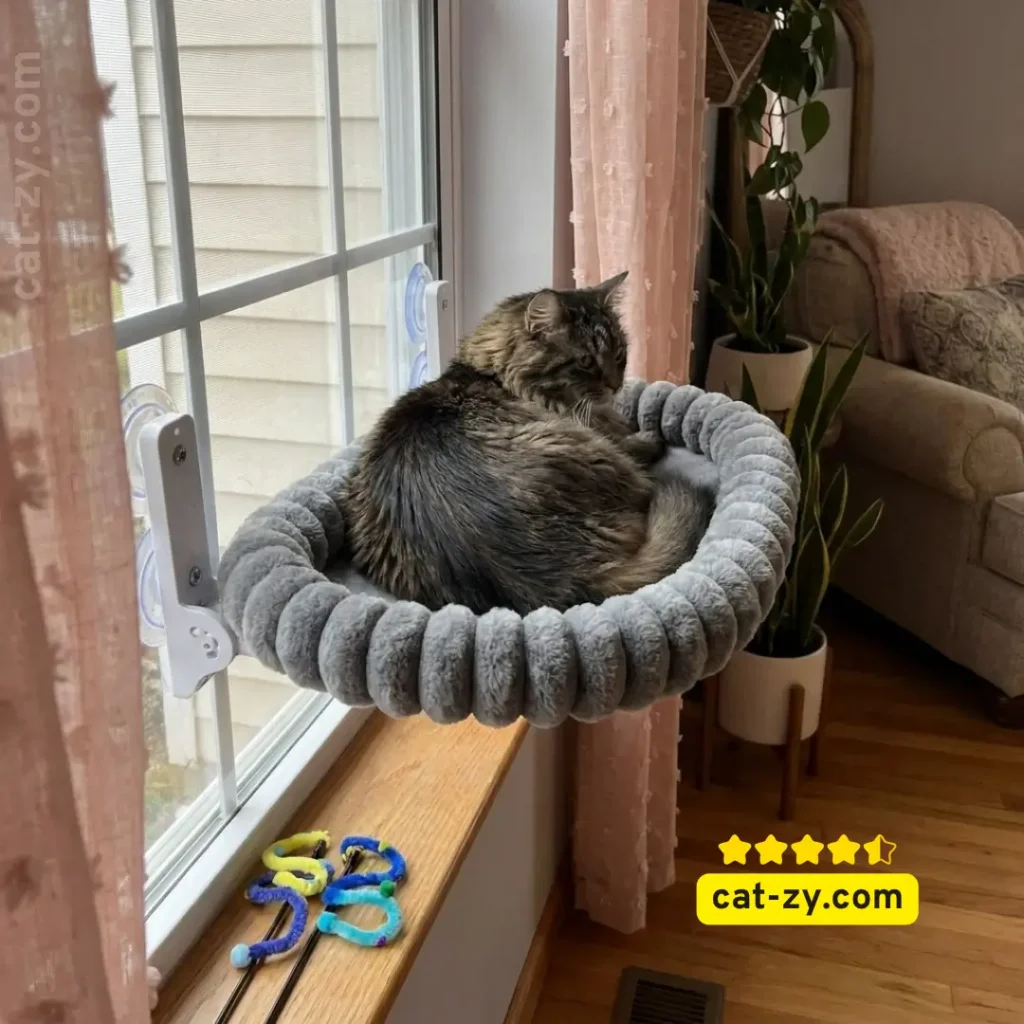
Cozy shared beds.

Providing comfortable, shared sleeping surfaces encourages cats to rest side by side. When they sleep near each other, they develop a sense of togetherness and security. These shared resting spots act as a foundation that can lead to natural mutual grooming behaviors.
Vertical space also reduces conflict. When cats have options to move up or away, they feel less cornered, and that sense of control makes them more relaxed around each other.
Environment Note: The Role of Territorial Comfort
Forcing interactions never works. Providing vertical territory like window perches and cat trees reduces environmental stress, allowing cats to choose proximity naturally and establish voluntary grooming rituals.
Does Brushing Your Cat Together Help Bonding?
It can, when done thoughtfully. Brushing both cats in the same space at the same time creates a shared calm experience. It also mimics the rhythm of mutual grooming in a gentle way.
Part of understanding why cats groom each other comes down to what grooming represents: safety, trust, and comfort. When you create those conditions through your daily care routine, you give your cats the best possible chance to build that bond on their own terms.
Conclusion
Cat grooming is more than just keeping clean. It helps them bond and trust each other. This shows their need for hygiene, stress relief, and to feel part of a group.
Watching your cats groom each other shows they feel safe and connected. It helps them relax and keeps their social order. These habits are key to their health and happiness.
Knowing this, you should notice when they groom less. It could mean they’re stressed or upset. By supporting their grooming, you help them feel emotionally and physically well.
FAQ
Why do cats groom each other?
Cats groom each other to strengthen their social bonds. This behavior, called allogrooming, builds trust and safety within their group.
Why do my cats lick each other?
Your cats lick each other to show affection and care. It is not just about cleaning. It strengthens their bond.
Why Do Cats Groom Each Other’s Bums?
Licking each other’s rear ends is about hygiene and bonding. It helps them share scents and stay clean in their group.
Do cats groom each other more frequently in particular situations?
Yes, cats groom more after stressful times or when they are relaxed at home. These sessions help them bond during and after these moments.
What does it mean when my cats groom each other and then suddenly stop?
If your cats stop grooming suddenly, they might be alert or have noticed a change. It is a common sign in cat social dynamics.
How can I encourage my cats to groom each other?
To encourage grooming, make sure your cats feel safe and comfortable. Provide cozy spots and reduce stress to help them groom more.
Can the frequency of grooming indicate health issues in cats?
Yes, a change in grooming habits can mean health issues. Watch for any big changes in their grooming to check their health.
What is allogrooming in cats?
Allogrooming is when cats groom each other. It is different from self-grooming and serves as a vital social behavior for building trust, sharing scents, and strengthening bonds within a group.

16 Comments