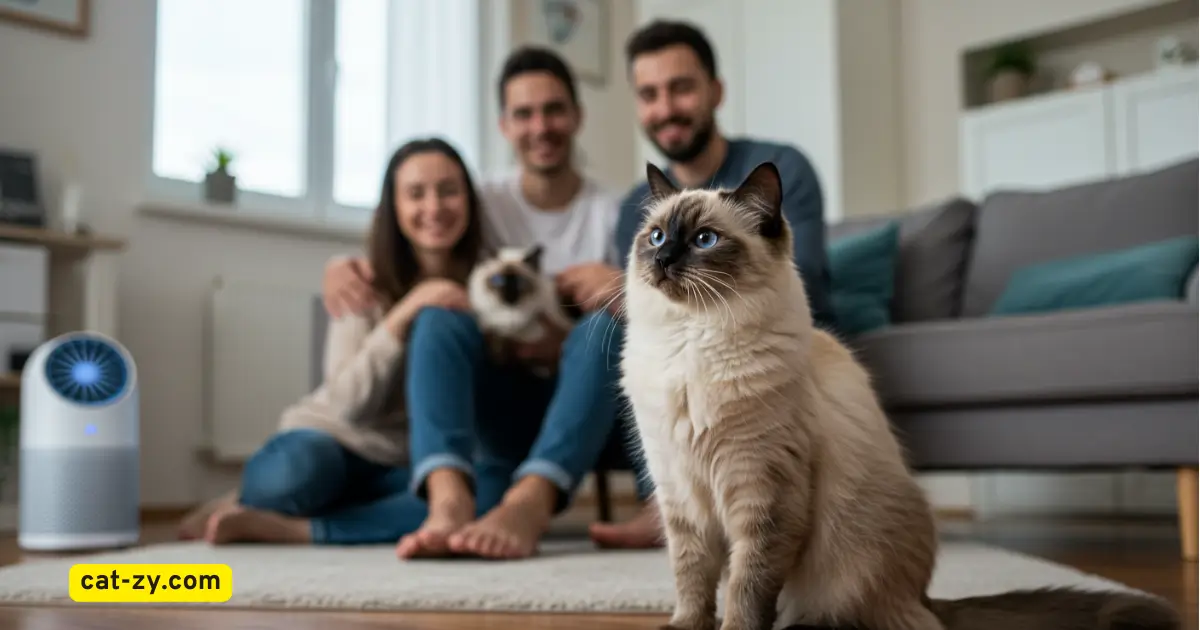
5 Stunning Hypoallergenic Cats for Adoption You Need Now

Do you love cats but avoid them because of allergies? You’re not alone. Millions dream of sharing their homes with feline companions but worry about sneezing, itching, or watery eyes. What if I told you that finding a purrfect match is possible? With hypoallergenic cats for adoption, that dream is closer than you think.
This guide reveals the top five breeds designed to coexist with sensitive noses. These cats aren’t just low-shedding or rare—they’re real pets offering endless affection without sacrificing your comfort. Let’s discover how adopting one of these special animals can turn your dream of cat ownership into reality.
Table of Contents
Understanding Hypoallergenic Cats and What It Means
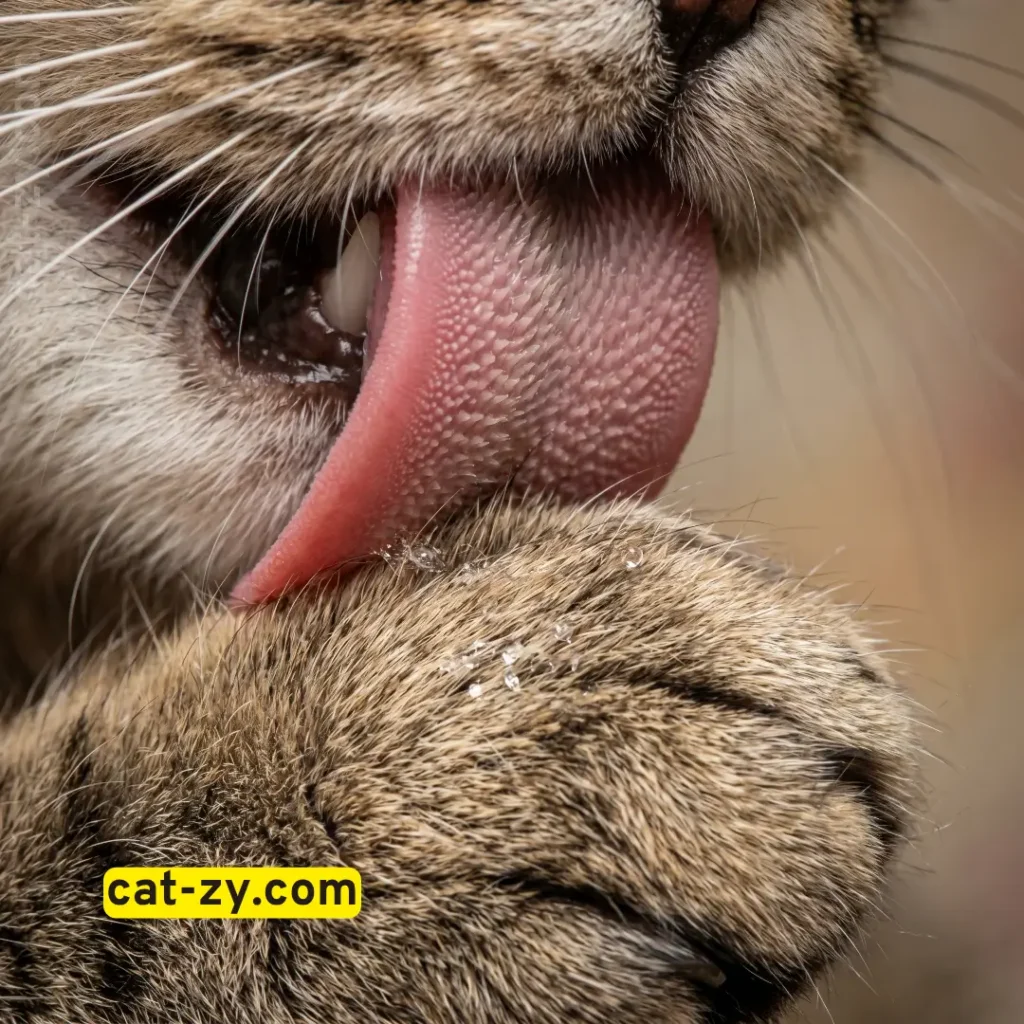
Choosing hypoallergenic cats for adoption means knowing their unique traits. Allergies often stem from a protein in cat saliva and dander. This section will clear up the science and myths behind these breeds.
What Does Hypoallergenic Mean?
Hypoallergenic cats produce fewer allergens. Low allergen cats release less Fel d 1, a protein that causes reactions. But no breed is completely allergen-free. The term helps identify breeds with lower risk.
Common Misconceptions
Many think hypoallergenic cats for adoption mean no reactions. But this isn’t always true—sensitivity varies. Another myth: frequent baths alone make any cat hypoallergenic. Genetics, not grooming, determines allergen levels.
The Science Behind Allergen Reduction
Scientists study Fel d 1, the protein that triggers allergies. Hypoallergenic cats for adoption naturally shed less of this protein. Regular cleaning and air filters help, but their genetic traits are the main factor in reducing exposure.
Benefits of Adopting Hypoallergenic Cats
Adopting hypoallergenic cats for adoption brings numerous benefits, especially for allergy sufferers who want to experience the joy of having a pet without the usual discomfort. These cats make fewer allergens, like Fel d 1, which means less sneezing and itchy eyes for you.
Having non-allergenic cats makes your home easier to keep clean. Their low-shedding fur means less dander, so you don’t have to vacuum and dust as much. Plus, grooming your cat catches loose fur, making cleaning up a breeze.
These pets bring joy and comfort to your life. They can be playful or calm, helping you feel less lonely and improving your mood. Studies show that petting a cat can lower stress hormones. With hypoallergenic breeds, you get all the benefits without the health risks. Plus, adopting a cat helps animal shelters by giving a loving home to a cat in need.
Detailed Profiles of Top Hypoallergenic Cat Breeds for Adoption
When exploring hypoallergenic cats for adoption, understanding the distinctive characteristics of each breed helps you make an informed decision. Here are five well-documented breeds recognized by major cat associations for producing fewer allergens.
Balinese Cats: Graceful and Vocal Companions
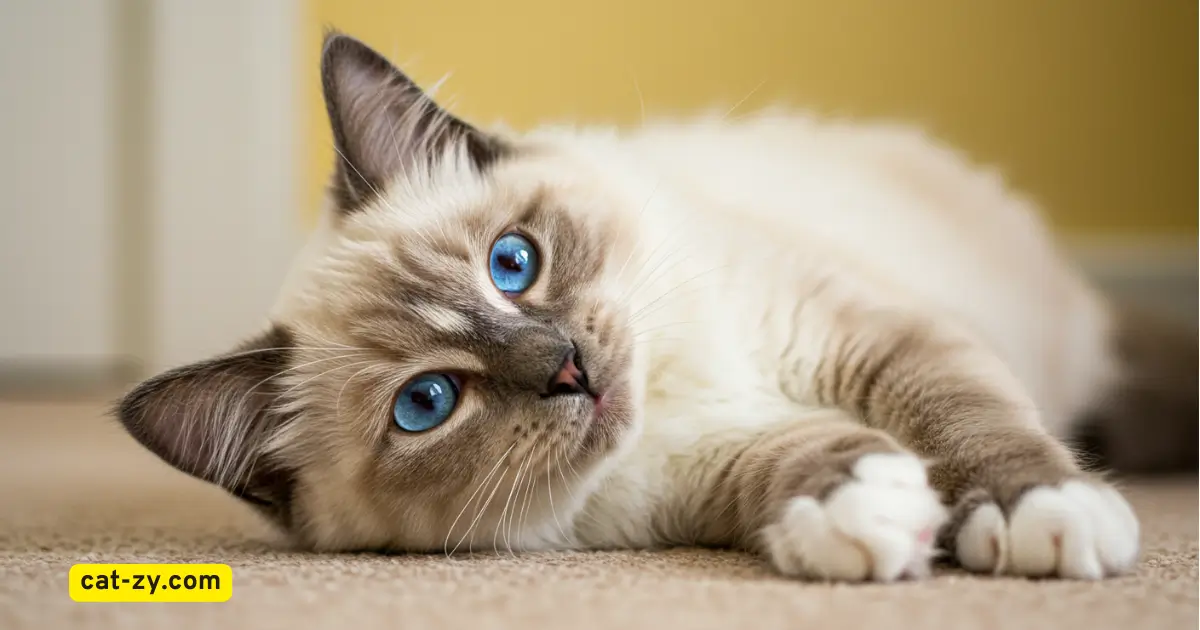
Balinese cats are recognized by TICA and CFA as a hypoallergenic breed alternative. They’re distinguished by striking blue eyes and slender, elegant bodies. Despite their longer hair, Balinese cats are documented to produce lower levels of Fel d 1 protein compared to many other breeds. These cats are highly social and communicative, loving interaction with their owners. When considering hypoallergenic cats for adoption, Balinese cats offer excellent family companionship, though they thrive with regular interactive play and mental stimulation.
Cornish Rex: The Curly-Coated Companion
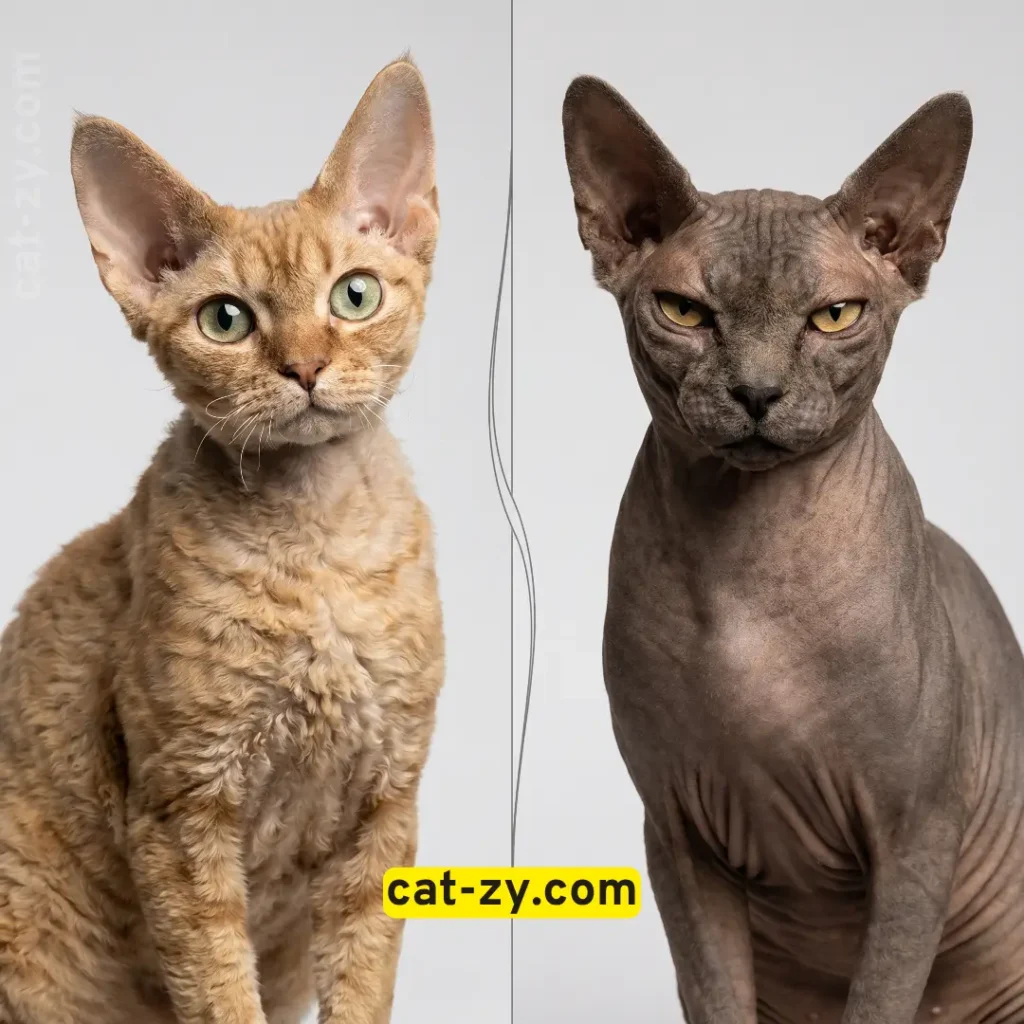
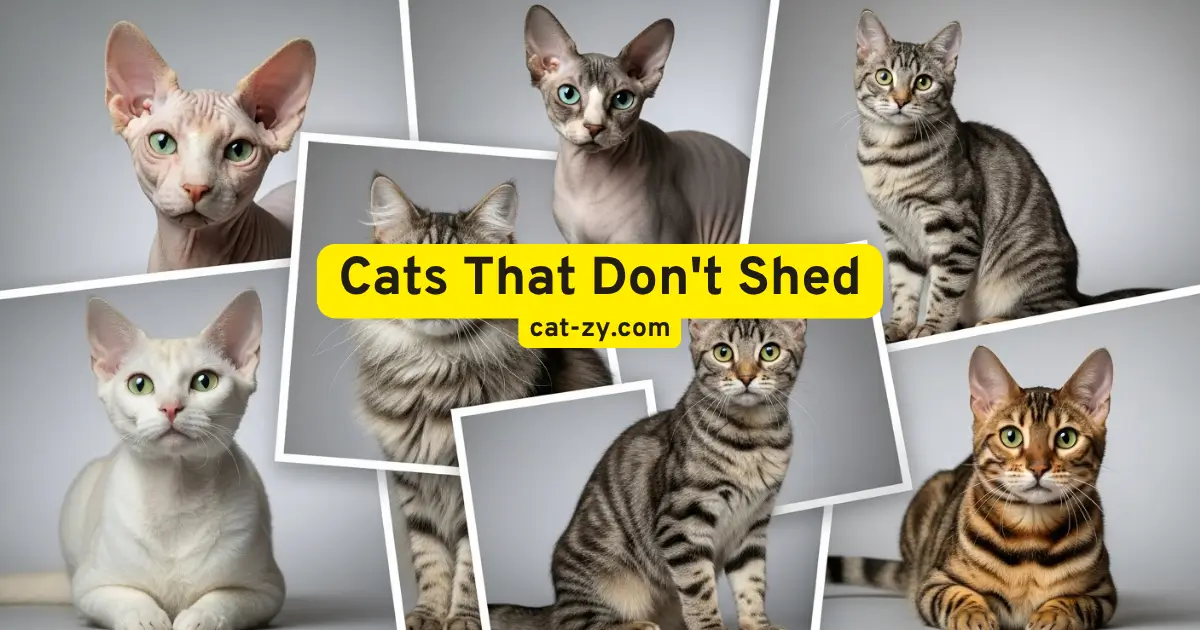
The Cornish Rex stands out with its distinctive soft, wavy coat texture, officially recognized by major cat associations. The unique curly coat structure results in less hair shedding around your home, contributing to lower allergen distribution. These cats are energetic and social by nature, enjoying climbing and exploring their environment. They bond closely with their families and require regular interactive engagement. Cornish Rex cats make entertaining companions for active households.
Sphynx Cats: Hairless and Low-Allergen
Sphynx cats are perhaps the most recognizable among hypoallergenic cats for adoption. Recognized by TICA and CFA, these hairless cats produce fewer airborne allergens due to the absence of fur. However, they require consistent care, including weekly baths with warm water to maintain skin health. These cats are highly extroverted, social, and often described as dog-like in their attachment to owners. They appreciate warm environments and regular attention.
Siberian Cats: Large and Adaptable
Siberian cats represent an interesting option among hypoallergenic breeds—despite their semi-long hair, research suggests they naturally produce lower allergen levels. Recognized by major cat associations, these larger cats were developed in harsh climates with water-resistant coats. They possess calm temperaments and adapt well to various living situations. Siberian cats form strong family bonds while maintaining independent personalities, making them suitable for families seeking hypoallergenic cats for adoption.
Devon Rex: Soft and Affectionate
The Devon Rex, officially recognized by TICA and CFA, shares similarities with the Cornish Rex but has distinct characteristics. Their fine, soft coat produces minimal shedding, helping reduce allergen levels in your home. Devon Rex cats are highly intelligent, playful, and crave human companionship. They’re often described as “elfin” due to their large ears and mischievous expressions. These cats thrive in homes where they receive substantial attention and interactive play.
Important Note: While these breeds are recognized as producing fewer allergens, individual reactions vary. Before adopting hypoallergenic cats, arrange meet-and-greet sessions with adoption agencies to assess personal compatibility. Reputable adoption agencies can provide breed documentation and health histories, ensuring informed decisions for your household.
Preparing Your Home for a Hypoallergenic Companion
Getting allergy-safe cats means making your home safe for them and you. Start by cleaning surfaces, improving air flow, and changing how you clean. These small steps can make a big difference.
Creating Allergen-Reduced Spaces
Choose smooth floors like tile or hardwood to cut down on dander. Swap carpets for washable rugs and use air purifiers in key areas. Make bedrooms pet-free to keep them clean.
Use washable curtains instead of heavy drapes to avoid dust.
Maintenance and Cleaning Tips
Vacuum floors weekly with a HEPA-filter vacuum to catch allergens. Clean surfaces daily with microfiber cloths. Wash bedding and pet bedding in hot water every 7-10 days.
Run air purifiers all the time to keep the air clean for allergy-safe cats.
Choosing the Right Supplies
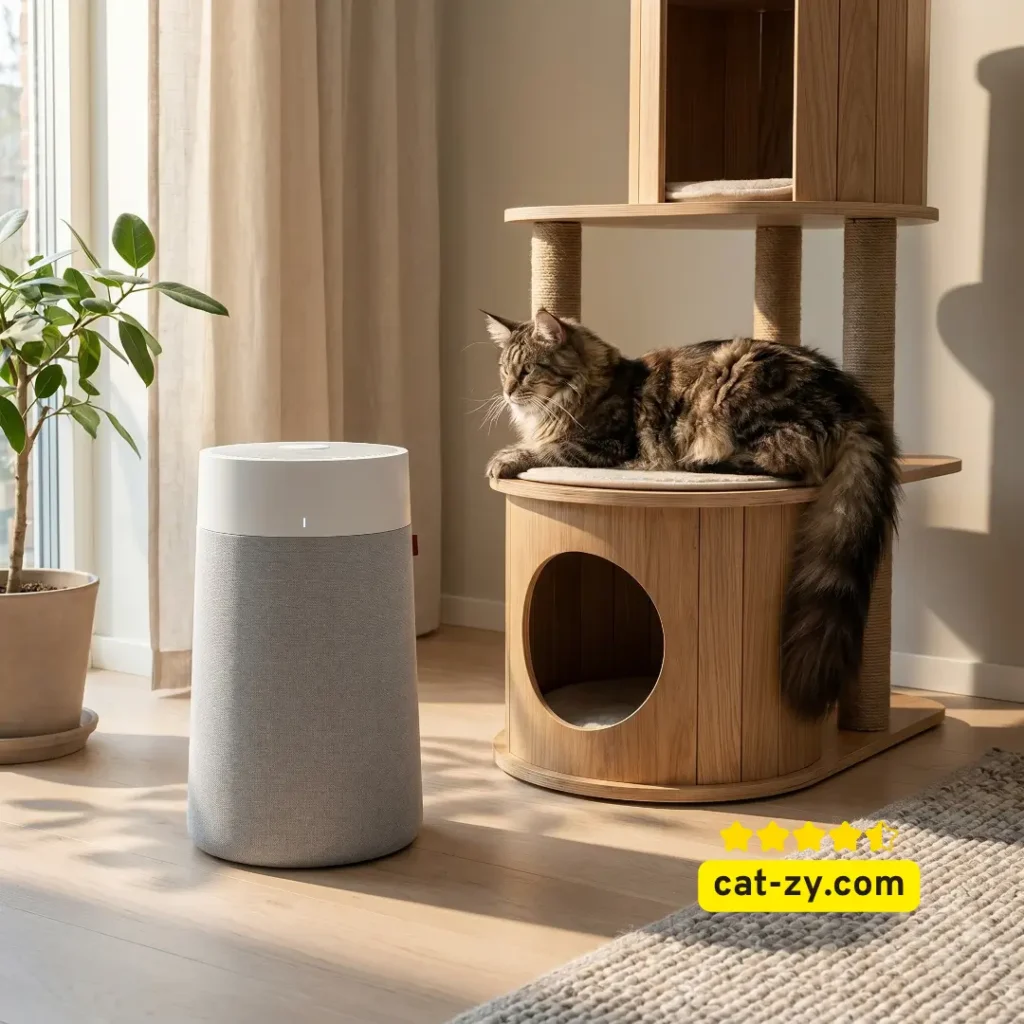
Choose hypoallergenic litter like corn-based types to reduce dust. Use microfiber cloths made for pet allergen removal. Get a HEPA air purifier from brands like Blueair or Rabbit Air. Wash fabrics often with laundry detergents made for pet owners, like Allersearch ADMS.
Where to Find Hypoallergenic Cats for Adoption
Starting your search for cat adoption for allergy sufferers means doing your homework. Look for groups that focus on low-allergy breeds like the Balinese or Cornish Rex. Places like PetFinder or ASPCA have lists of shelters with health records and breed info.
Make sure the agency talks about how they check the cats. They should test for dander and health. This ensures the cat is safe for you.
Check out what others say about the agency. Look for reviews from people with allergies. Groups like the Cat Fanciers’ Association often share stories of successful adoptions for allergy sufferers.
See if the agency offers a chance to meet the cats before adopting. Places like Humane Society have meet-and-greet sessions. This lets you see if the cat is a good fit for you.
It’s important to know about the cat’s past and health. Good agencies will tell you all about it. They should also explain how they keep the cat’s living area clean to reduce allergens.
Essential Tips for Finding hypoallergenic cats for adoption
Bringing a hypoallergenic cat into your home starts with careful evaluation. Here’s how to ensure a perfect match:
Evaluating Health and Temperament
Look for cats with clear eyes, clean coats, and calm behaviors. Healthy hypoallergenic cats often show curiosity without aggression. Ask agencies to share medical records, including allergy-related health screenings. A cat’s temperament reflects its suitability for your lifestyle—observe how it interacts with others.
Meeting and Greeting Best Practices
When visiting adoption centers, spend time with the cat in a quiet space. Watch how it responds to touch and movement. Some hypoallergenic breeds like the Balinese or Sphynx may need extra attention to assess their comfort levels. Use this time to gauge compatibility with your household environment.
Questions to Ask Adoption Agencies
Ask about the cat’s health history, including FELV tests and grooming routines. Inquire how the agency identifies hypoallergenic traits and if they provide post-adoption support. Key questions include: “Are allergy tests conducted on all cats?” and “What guarantees do you offer for temperament compatibility?”
Health Considerations and Allergen Management
Regular veterinary care is key to your hypoallergenic cat’s health. Make sure to schedule annual checkups. This ensures they get the right vaccinations and stay healthy.
Even though they are hypoallergenic, they still need regular vet visits. This helps keep them strong and reduces dander.
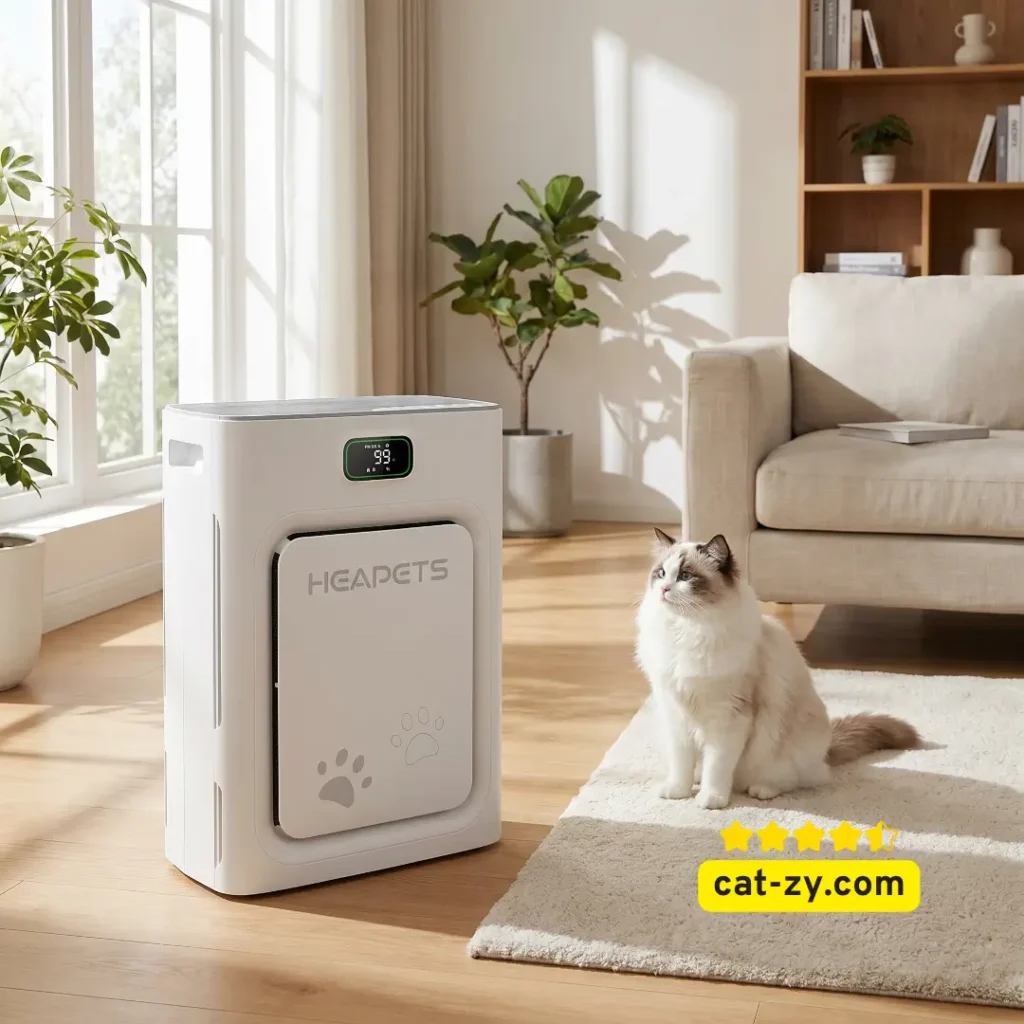
Managing allergens is a big job. Use a HEPA air purifier to clean the air. Also, groom your cat weekly. Brushing them outside helps keep fur out of your home.
Wash their bedding and vacuum with a HEPA vacuum. This traps allergens well.
If you still have allergy symptoms, see an allergist. They can help with antihistamines or other treatments. Use hypoallergenic laundry and mattress covers to block allergens.
Keep your cat out of bedrooms to reduce dander. Bathing them with vet-approved shampoo also helps. Always check with your vet before trying new grooming products or diets.
No cat is completely free from allergens, even hypoallergenic ones. But with the right care, you can keep your home healthy. Keep up with cleaning and vet visits to create a balanced living space.
Common Mistakes, Red Flags, and Myths: Avoiding Pitfalls
Common Mistakes When Adopting Hypoallergenic Cats
Many people make impulsive decisions when pursuing hypoallergenic cats for adoption without adequate preparation. One significant mistake is selecting a breed mismatched to your lifestyle. For instance, energetic breeds like Devon Rex require substantial playtime, while quieter households might struggle with their demands. Another common error is inadequate home preparation. Installing air purifiers, obtaining appropriate cleaning supplies, and establishing allergen-reduced spaces beforehand prevent stress for both you and your new companion.
Rushing the adoption process without understanding the cat’s background and temperament often leads to incompatibility. Taking time to meet the cat multiple times before committing ensures the relationship succeeds long-term.
Red Flags in Adoption Agencies
Reliable adoption agencies maintain transparent practices. Be cautious of agencies that discourage home visits or refuse to discuss return policies. Legitimate organizations provide medical records, vaccination documentation, and behavioral assessments. Avoid agencies pressuring immediate adoption decisions or offering unusually low fees without explanation.
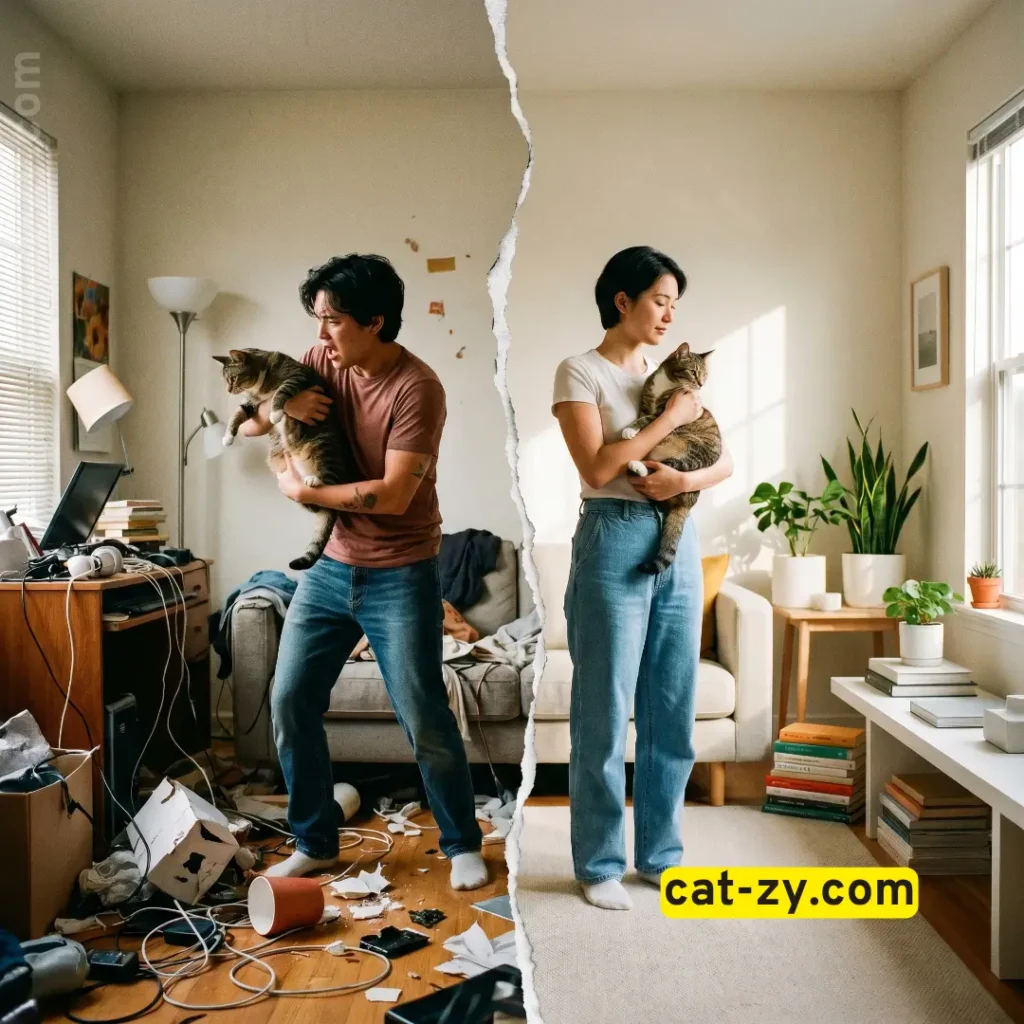
Reputable agencies ask detailed questions about your living situation, work schedule, and experience with cats. This screening protects both the animal and your household. Agencies unwilling to verify information or provide references warrant skepticism.
Myths About Hypoallergenic Cat Care Debunked
Myth 1: Hypoallergenic cats cause zero allergic reactions. Reality: No breed is completely allergen-free. Individual sensitivity varies considerably—some people react more to one breed than another.
Myth 2: All hypoallergenic breeds require identical care. Reality: Sphynx cats need weekly baths and ear cleaning, while Balinese cats require regular brushing. Different breeds have distinct maintenance needs.
Myth 3: Grooming alone creates a hypoallergenic cat. Reality: Genetics determines allergen production. While grooming reduces loose hair, it cannot change a cat’s natural allergen levels.
Myth 4: Hypoallergenic cats are less affectionate. Reality: Many hypoallergenic breeds are exceptionally social and bond well. Personality depends on individual temperament and breed characteristics, not allergen levels.
What NOT to Do in the First Month
Don’t expect immediate comfort or affection. New cats require adjustment time—typically 2-4 weeks—before displaying their true personalities. Avoid sudden dietary changes, which can cause digestive upset. Instead, maintain the diet provided by the adoption agency for several weeks before gradual transitions.
Don’t isolate your cat in one room permanently, but do provide a safe space initially where they can retreat. Don’t introduce multiple family members simultaneously or expect the cat to adjust to chaos. Establish quiet, predictable routines first.
Avoid overhandling if your cat shows stress signals. Some cats need slower socialization. Don’t neglect allergen management practices during this adjustment period—maintain consistent cleaning schedules and air purification.
Moving Forward: Understanding these common pitfalls positions you for success when adopting hypoallergenic cats for adoption. Patience, preparation, and working with trustworthy adoption agencies create the foundation for rewarding, long-lasting relationships with your feline companion.
Conclusion
Adopting hypoallergenic cats for adoption can be a life-changing experience for allergy sufferers who dream of having a pet. This guide highlighted five incredible breeds that are known for producing fewer allergens—offering you companionship without the constant sneezing.
From learning about allergen management to finding trusted adoption agencies, every step brings you closer to welcoming your perfect feline friend. While no cat is 100% allergen-free, these hypoallergenic breeds offer a safer choice for sensitive individuals.
So, if you’re ready to embrace the joy of cat ownership without the discomfort, start exploring options for hypoallergenic cats for adoption today. Your ideal cat is out there—waiting to meet you.
FAQ
What are hypoallergenic cats?
Hypoallergenic cats are breeds that produce fewer allergens than regular cats. They are great for people with allergies. They help reduce allergic reactions and make better pets.
Do hypoallergenic cats still cause allergies?
Yes, hypoallergenic cats still have allergens. They just make fewer of them. Always talk to an allergist before getting one to make sure it’s safe for you.
Which cat breeds are considered hypoallergenic?
Popular hypoallergenic cat breeds include the Siberian, Balinese, and Devon Rex. These cats produce fewer allergens, making them a great choice for individuals with allergies.
How can I prepare my home for a hypoallergenic cat?
To get ready for a hypoallergenic cat, make your home allergen-free. Clean regularly and use air purifiers. Choose covers that trap allergens.
What should I ask when contacting an adoption agency?
When you contact an adoption agency, ask about the cat’s health and personality. Find out about their medical history and grooming needs. Also, ask about their return policy if you have allergies.
What health considerations should I keep in mind for my hypoallergenic cat?
Keeping your cat healthy is key. Make sure they get regular vet visits and vaccinations. Also, take care of their teeth and feed them well to reduce allergens.
Are hypoallergenic cats good for families?
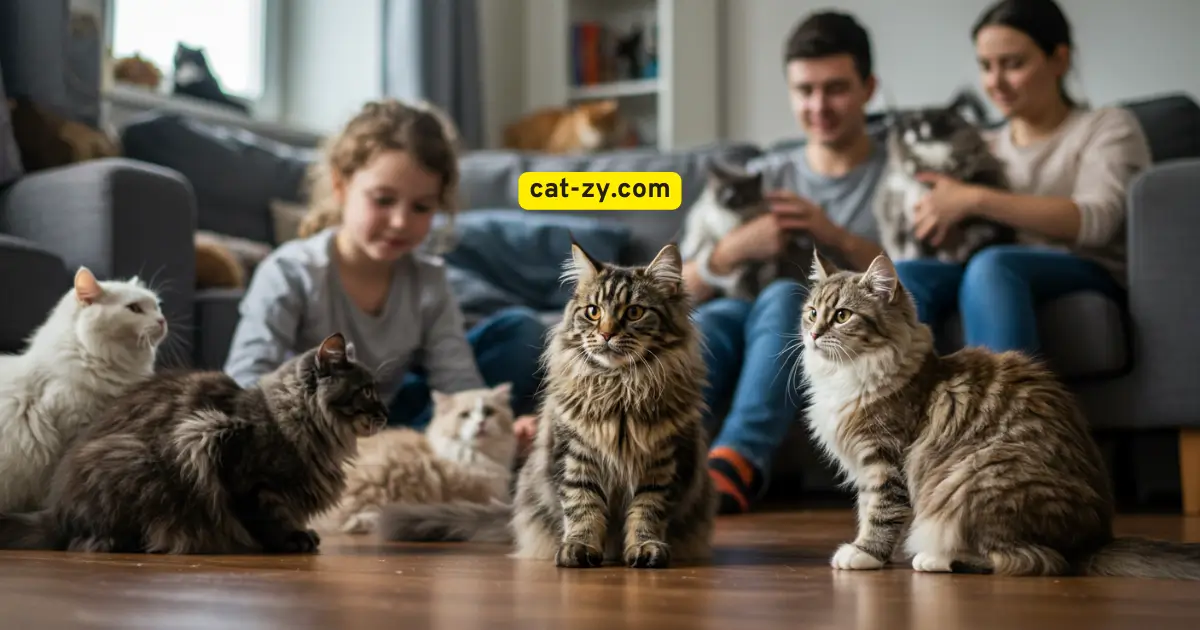
Yes, hypoallergenic cats are great for families with allergies. They are loving and affectionate, with fewer allergy problems.
How do I find a trusted adoption agency specializing in hypoallergenic cats?
Look for local animal shelters or rescues. Read online reviews and ask friends for recommendations. Make sure they have a good vetting process and support after adoption.
Are hypoallergenic cats for adoption entirely hairless?
No, many breeds have fur. While Sphynx cats are hairless, others like Balinese and Siberian cats have long or semi-long coats.
Can grooming change a cat’s genetic allergen levels?
No, grooming reduces loose dander and hair around your home, but it cannot alter a cat’s natural, genetic allergen production.
How long do hypoallergenic cats take to adjust post-adoption?
Newly adopted cats typically require two to four weeks to adjust to their environment and comfortably display their true personalities.
Should I introduce multiple family members at once?
No, avoid introducing everyone simultaneously. Establish quiet, predictable routines first to ensure your new cat does not experience unnecessary stress.
Why do energetic breeds like Devon Rex need substantial playtime?
They are highly intelligent and active by nature. Substantial play prevents boredom and ensures compatibility with your household’s daily lifestyle.
What flooring is best when adopting low-allergen pets?
Smooth surfaces like tile or hardwood floors are ideal because they reduce dander accumulation compared to heavy, traditional carpets.

4 Comments