How to Harness Train a Cat: 8 Bold Essentials Toward Fearless Outdoor Walks

How to harness train a cat is a question many pet owners ask when they want to safely explore the outdoors with their feline companions. Are you tired of feeling trapped at home with your curious cat? Do you wish you could take them on adventures without the stress of traditional restraints?
Harness training is the key to unlocking a world of exciting experiences with your feline friend. It offers a safe way to explore the outdoors together while strengthening your bond with your pet. With the right approach, you can teach your cat to enjoy wearing a harness and walking on a leash.
In this article, we’ll guide you through 8 powerful essentials to get you started on this journey. From choosing the right equipment to gradual training techniques, we’ll cover everything you need to know to harness train your cat successfully.
Table of Contents
Understanding Why Cats Need Harness Training
Understanding how to harness train a cat begins with recognizing why guardians choose outdoor exploration. Research shows that caregivers primarily pursue leash walking to provide safe environmental enrichment, satisfy natural feline curiosity, and encourage physical activity while maintaining total control over outdoor hazards.
Benefits of Taking Your Cat Outdoors
Going outside is good for your cat’s mind and body. It helps prevent boredom and stress.
Mental Stimulation and Enrichment
Experiencing controlled outdoor spaces offers rich sensory stimulation through novel scents, textures, and sounds. Allowing your feline companion to engage in cat-directed exploration supports natural foraging and territorial investigation, which significantly reduces indoor boredom and stress-related behaviors.
Physical Exercise and Weight Management
Mastering how to harness train a cat opens up avenues for gentle daily movement outside restricted indoor layouts. Walking on a leash encourages muscle engagement, climbing, and active pacing, helping indoor pets release stored energy in a safe and structured manner.
Safety Considerations for Outdoor Adventures
Outdoor fun is great, but safety is key. It protects your cat and wildlife.
Protecting Wildlife and Your Cat
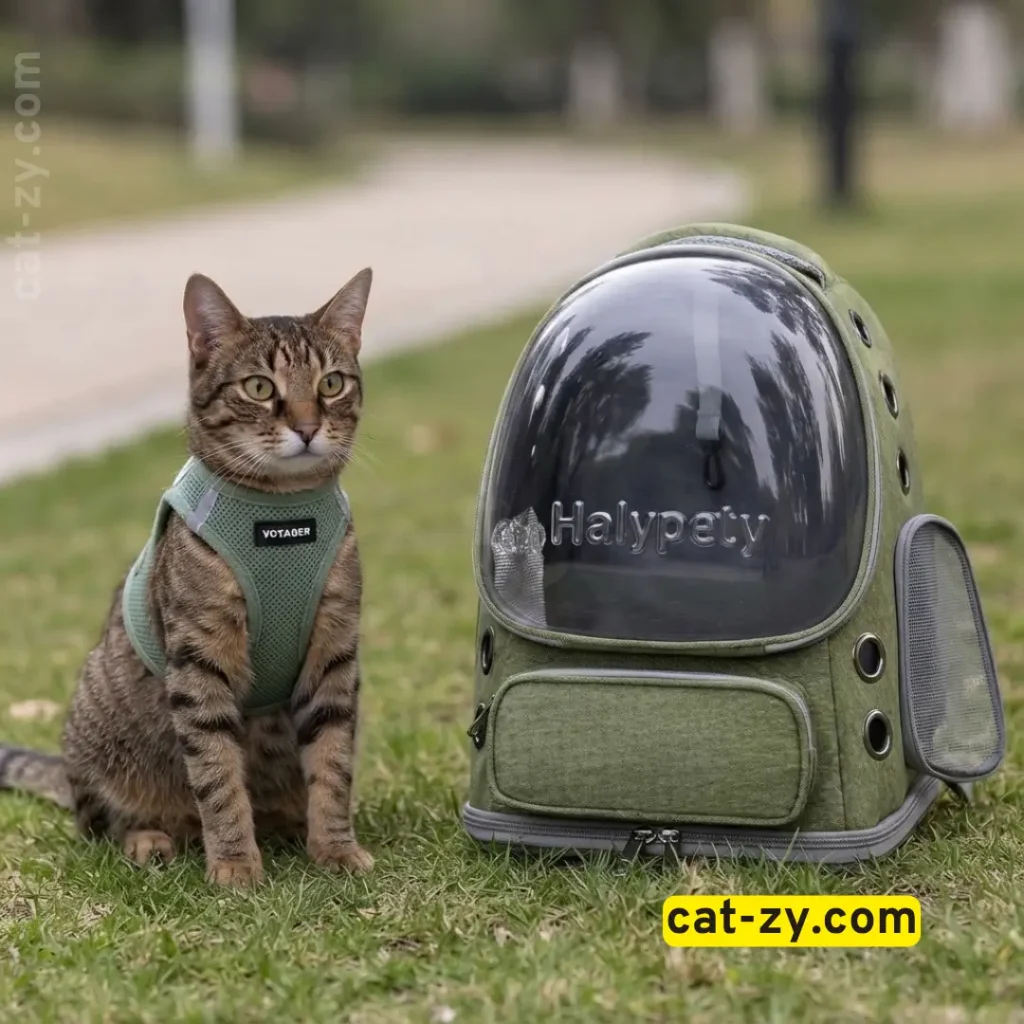
Using a secure harness prevents free roaming, which protects local wildlife populations from natural hunting instincts. Concurrently, keeping your pet restrained protects them from unexpected encounters with off-leash dogs, traffic hazards, and toxic plants. Carrying a dedicated pet backpack during excursions provides an immediate safe sanctuary if external threats arise.
Avoiding Dangerous Situations
Know your surroundings to avoid risks. Stay away from busy streets and harmful areas. By being careful, you can ensure a safe and fun time for your cat outside.
Choosing the Right Harness for Your Feline Friend
Finding the perfect harness for your cat is key to their safety and comfort outdoors. There are many options, so it’s important to know the differences. This helps you make the best choice for your cat.
Different Types of Cat Harnesses
Cat harnesses come in many styles, each for different needs. The most common are H-style and vest-style harnesses.
H-Style vs. Vest-Style Harnesses
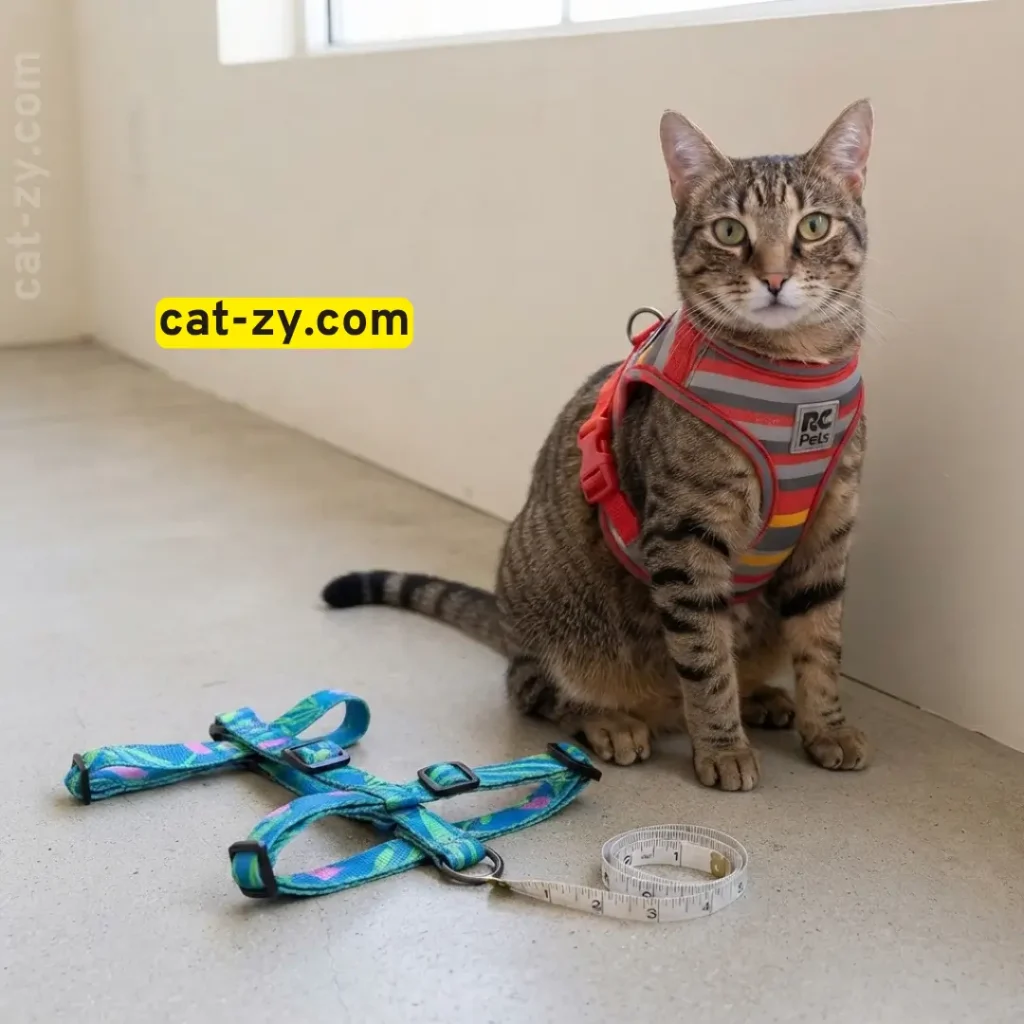
Selecting the appropriate design is a critical decision when learning how to harness train a cat. H-style harnesses feature minimal strap coverage, making them lightweight and easy to adjust, though some agile cats may slip out of them if startled. Conversely, Vest-style harnesses cover a broader surface area of the torso, distributing pulling force evenly to prevent throat pressure and significantly reduce escape risks during outdoor practice.
Material Considerations for Comfort
Material composition directly influences how quickly a pet adapts to wearing equipment. Breathable air-mesh and soft padded fabrics reduce friction against the skin and prevent overheating during active sessions. Choosing lightweight, flexible materials helps minimize the awkward weight sensation on their back, encouraging natural movement without triggering resistance or freezing behaviors.
Finding the Perfect Fit for Your Cat
A harness that fits well is crucial for your cat’s comfort and safety. A harness that’s too tight is uncomfortable. One that’s too loose might let your cat slip out.
Measuring Your Cat Correctly
Precise measurements ensure both security and physical comfort. Use a flexible measuring tape to record the circumference of the lower neck and the deepest part of the chest girth just behind the front legs. Ensuring multiple adjustment points allows you to customize the fit to your pet’s unique anatomy, preventing restricted shoulder movement while walking.
Signs of a Well-Fitted Harness
A properly fitted harness should feel snug while comfortably accommodating two fingers between the straps and your pet’s body. Verifying that the equipment does not pinch or restrict leg movement is essential. Differentiating between physical discomfort and initial hesitation helps you make accurate adjustments without halting the gradual training process.
SAFETY ALERT: Avoid Acrylic Bubble Backpacks
While full-view clear plastic bubble backpacks look stylish, they act like mini-greenhouses outdoors. Acrylic walls rapidly trap heat in direct sunlight and lack proper air circulation. Instead, always choose mesh-ventilated, shadow-draped carriers that ensure continuous airflow and give your cat a cozy, dark sanctuary to retreat from sensory overload.
My Hands-On Experience: Why the Rabbitgoo Vest Became My Top Choice
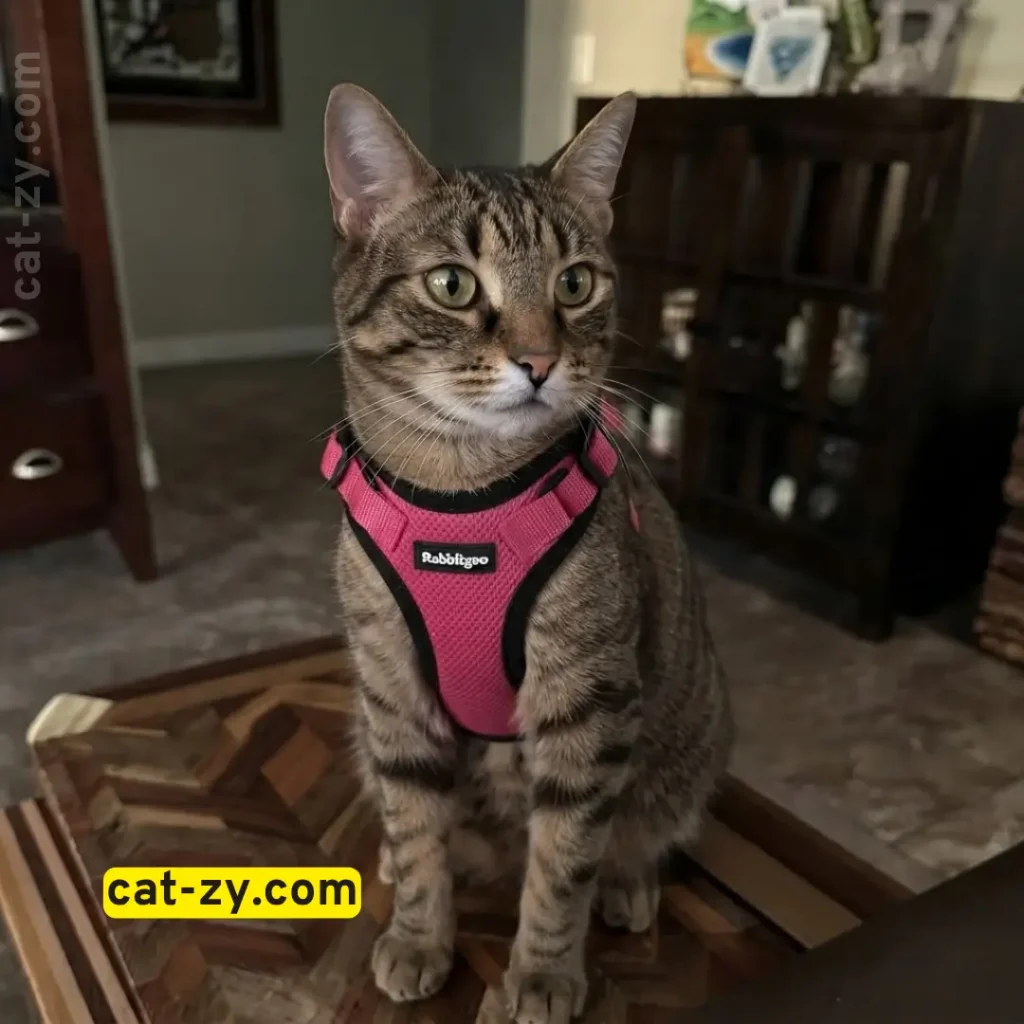
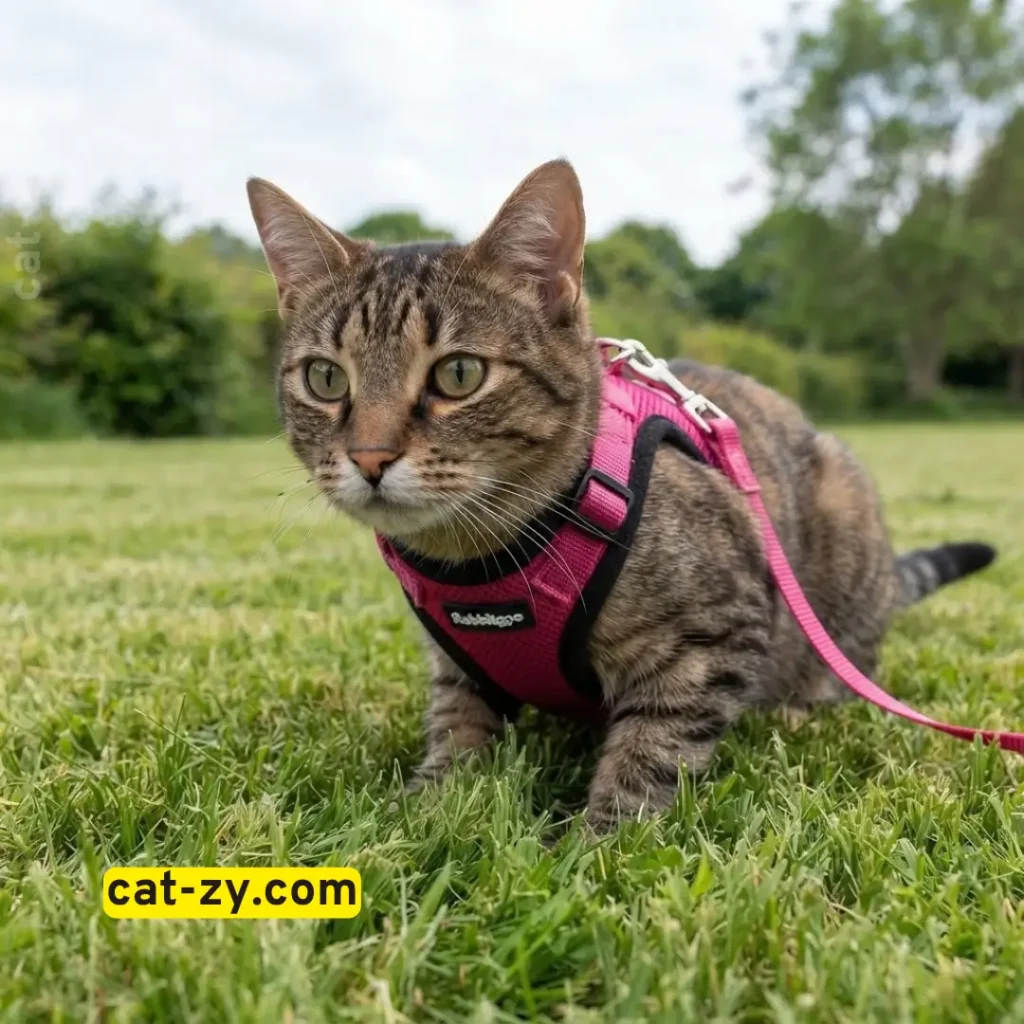
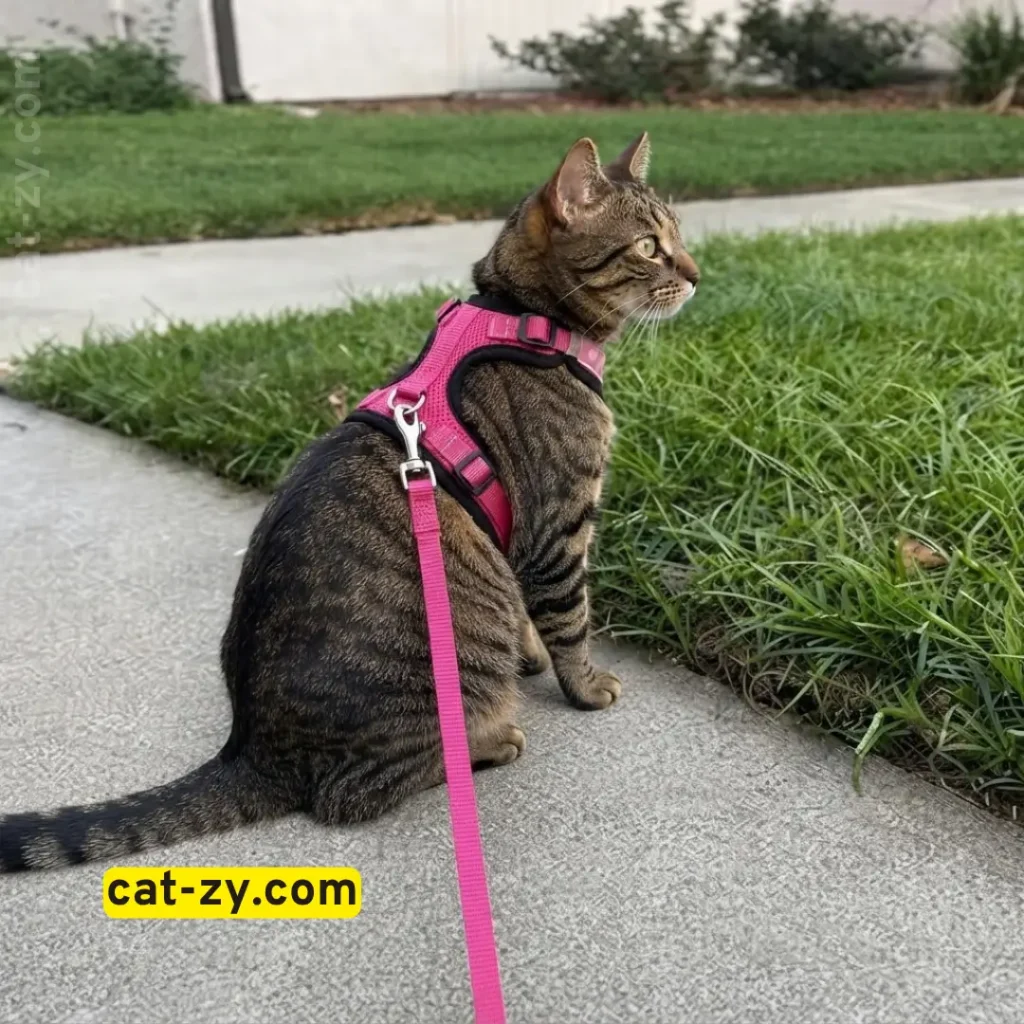
Selecting gear for outdoor exploration involves real-world trial and error rather than reading product specs. Having tried a few different options with my cat Mimish as he grew, the Rabbitgoo Vest set in Extra Small turned out to be a very practical option for our routine. Mimish is 10 lbs with a slim build, and this specific design provided the snug fit we needed to keep him secure on our outings without worrying about him easily slipping out.
Finding the Right Size for a Slim 10 lb Cat
When learning how to harness train a cat, finding the right fit on a lean frame requires flexible adjustment points. Although the manufacturer size guide lists the Extra Small range for slightly lighter pets, his slim build allowed this size to fit him quite well. Adjusting the four polyester straps enabled the vest to sit comfortably against his body without leaving loose material around his chest or shoulders.
Practical Features of the Slide-Over Design
Unlike harnesses with more complicated fastening setups, this Rabbitgoo model uses a simple slide-over neck design paired with dual quick-release side buckles. Mimish adjusted to the harness quickly and showed little hesitation during our first attempts. Slipping it over his head and securing the two buckles takes only a few seconds, making our preparation for walks smooth and straightforward.
Material Sturdiness and Comfort Observations
Daily use highlights the overall durability of the equipment. The soft air-mesh material feels sturdy and well made, while the adjustable design helped us keep the vest securely fitted during outdoor walks. I noticed that the structured chest panel is a bit firm, so cats used to much lighter straps may need some time to adjust to the coverage.
Everyday Visibility and Outdoor Control
Moving from indoor practice to quiet outdoor spaces requires dependable control. The reflective strips add extra visibility during our early morning and evening walks, helping keep track of him in lower light. Connected to the sturdy back D-ring, the included 4.9-foot lead gives Mimish some room to explore while keeping our daily walks manageable and calm.
Creating a Positive Association with the Harness
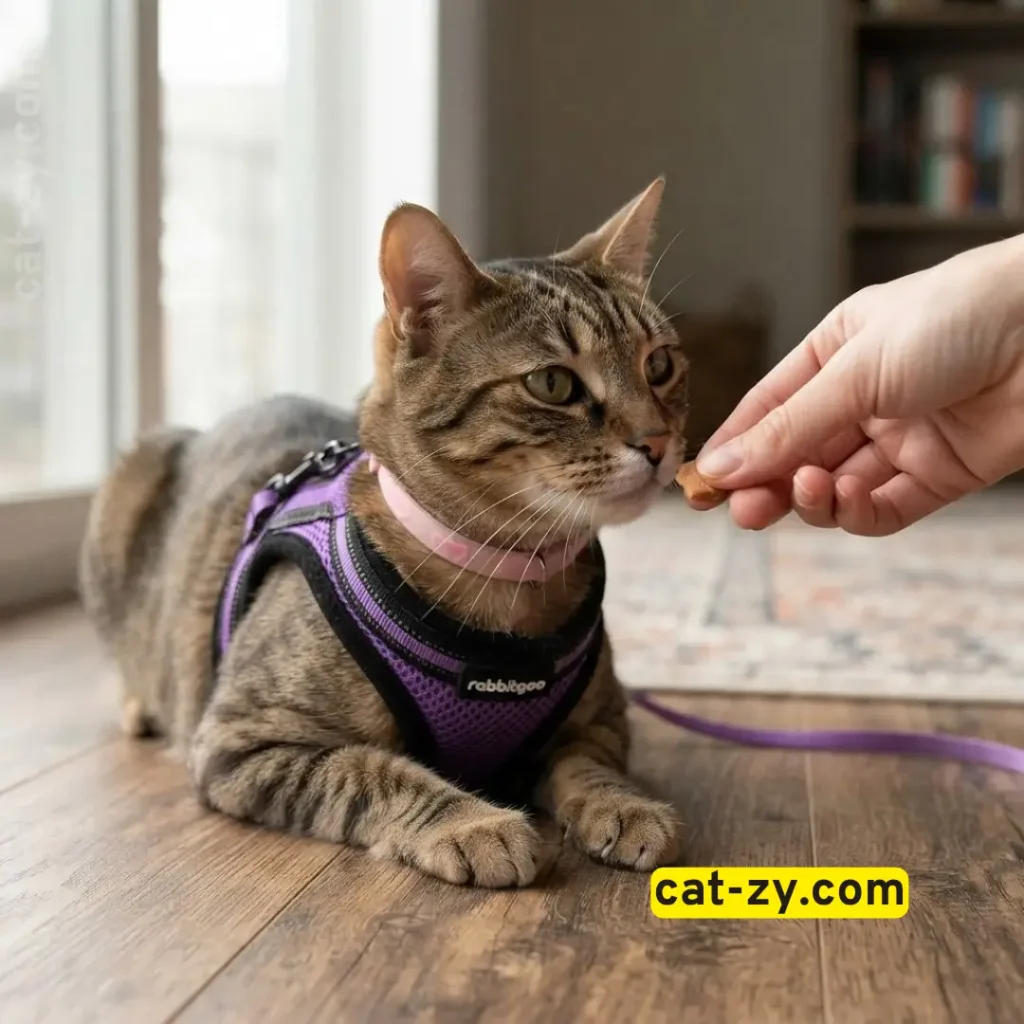
It’s key to make your cat like their harness for harness training to work. You want the harness to feel safe and comfy for them.
Using Treats and Rewards Effectively
Building positive reinforcement is essential when learning how to harness train a cat. Offering high-value treats the exact moment your pet shows calm behavior around the equipment relies on classical conditioning, transforming the harness from an unfamiliar object into a predictor of rewarding experiences.
Timing Your Rewards for Maximum Impact
Precise timing determines the success of reward-based training. Delivering treats immediately during relaxed moments reinforces calm posture, while delaying the reward risks inadvertently reinforcing anxiety, vocalizing, or attempts to wriggle out of the gear.
Choosing High-Value Treats for Training
Reserving extra special food rewards exclusively for training sessions increases motivation. Dehydrated meat treats or lickable puree treats work exceptionally well because they hold your pet’s attention and create a strong incentive to tolerate new gear.
Leveraging Distraction-Based Training During Practice Sessions
When learning how to harness train a cat, you might notice your pet freeze or try to wriggle out of the gear. This usually happens because they are overly focused on the new weight on their back. Using high-value distractions is a simple way to shift their focus toward something fun instead.
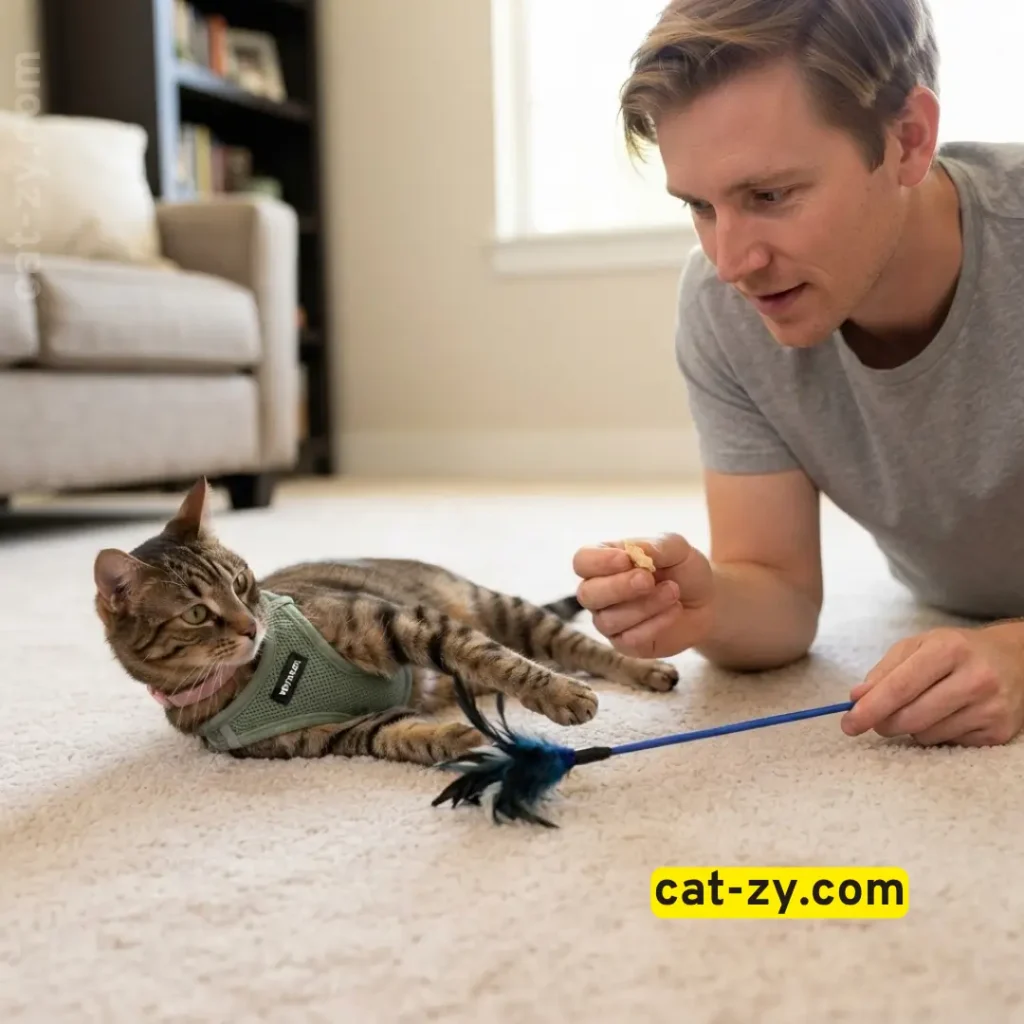
- Interactive Playtime Integration: Put the harness on right before playing with your cat’s favorite interactive toys, like a feather wand or a laser pointer. Playing activates their natural hunting instincts, helping them forget about the harness while pairing the gear with an enjoyable experience.
- Mealtime Harness Association: Fasten the harness just before serving your cat their regular meal. Food is one of the strongest positive motivators you can use. Eating while wearing the harness teaches your cat to connect the equipment with routine and reward. Just double-check that the harness fits comfortably and does not get in the way of the food bowl.
Gradual Introduction Techniques
Systematic desensitization allows your pet to accept equipment at their own pace. Leaving the harness near sleeping areas or food bowls helps build scent familiarity without pressure. Once comfortable with its presence, engaging your pet in interactive wand play while draped in the harness distracts from the weight on their back, making gear acceptance a natural part of daily routine.
Desensitization Through Play
Playing with the harness is another great way. Start playing with your cat while they wear the harness. This makes them think the harness is fun.
Using these methods together can make harness training a positive experience for your cat. It sets the stage for fun outdoor adventures together.
How to Harness Train a Cat: Step-by-Step Process
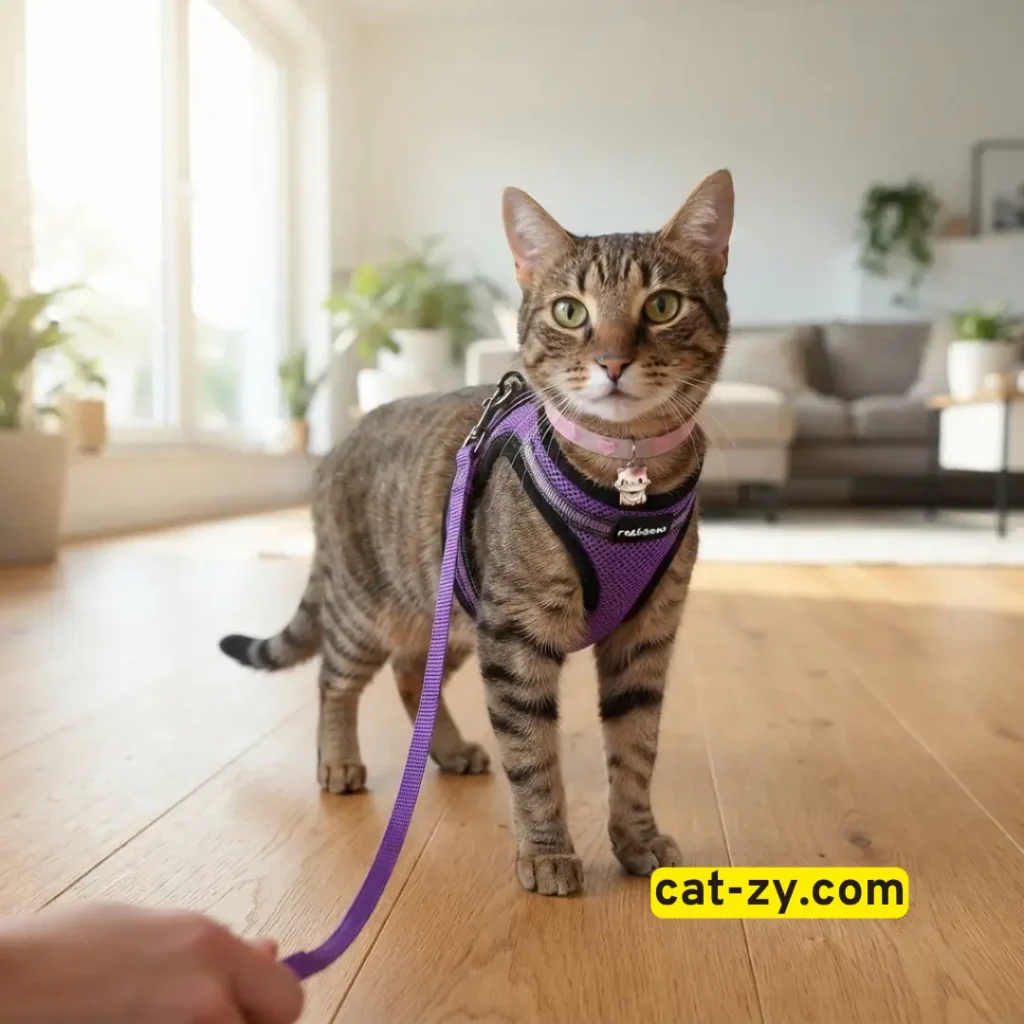
To train your cat to wear a harness, follow a clear step-by-step guide. This guide will help you from the first fitting to outdoor adventures.
First Fitting Session: What to Expect
Preparing for the first fitting session requires a calm, familiar room free from household distractions. Fasten the harness gently without forcing your pet, rewarding calm behavior with high-value treats immediately. Keeping this initial fitting brief ensures your pet does not feel trapped or overwhelmed by the new equipment.
Progressing from Indoor to Outdoor Walks
When your cat is okay with the harness inside, it’s time for outdoor walks. Start by getting them used to new places.
Indoor Practice Sessions
Mastering how to harness train a cat relies on consistent indoor practice before attempting outdoor walks. Allowing your pet to walk around the house while wearing the harness helps them build confidence and adapt to the weight on their body in a safe, controlled setting.
To expand their comfort zone safely, use a room-by-room approach:
Expanding territory incrementally prevents sensory overload. Start training in your pet’s primary safe space, rewarding relaxed movement with treats. Gradually grant access to adjacent hallways and rooms one by one, allowing your companion to explore expanding indoor spaces at a comfortable, self-dictated pace.
First Outdoor Experiences
Transitioning outside should begin in quiet, enclosed areas such as a private backyard or enclosed patio. Keep early outings short, allowing your pet to dictate the walk’s direction rather than pulling on the leash. Allowing your companion to sniff and explore at their own leisure ensures a positive first outing while keeping stress levels low.
By following this guide, you can train your cat to wear a harness. It will make walks fun and safe for both of you.
A 4-Week Harness Training Schedule for Beginners

Understanding how to harness train a cat requires a gradual, progressive approach tailored to individual adaptability. Following a structured multi-week schedule allows your pet to acclimate to gear weight and leash tension step by step, minimizing stress and preventing behavioral setbacks caused by rushing the process.
Identifying Fearful vs. Confident Cats Before Starting
Cat individuality plays a decisive role in training progression. Highly curious, confident pets often adapt quickly to harness weight, whereas timid or anxious individuals require much shorter sessions, lower environmental stimulation, and smaller incremental steps to build confidence without triggering fear responses.
How Many Minutes Per Day Should You Practice?
Keep initial practice sessions limited to five or ten minutes daily. Felines process training best through brief, positive interactions rather than prolonged drills. Observing body language, such as ear posture and tail movement, signals when to end a session on a successful note before frustration sets in.
Week-by-Week Breakdown
Tracking Your Cat’s Progress Week by Week
A simple notebook works better than you might think. Jot down what went well, what triggered resistance, and how long the session lasted. Over four weeks, patterns become clear. Maybe your cat does better after a meal, or maybe morning sessions go more smoothly. That kind of detail helps you train smarter, not harder.
Every cat moves through this process differently. Some nail it in three weeks; others need six. Both are completely normal.
Troubleshooting Common Harness Training Challenges
Starting harness training with your cat can be tough. It needs patience and understanding. Harness training is about being consistent and knowing your cat’s needs and behaviors.
Dealing with Resistance and Freezing
One big challenge is when your cat resists or freezes in a harness. This can upset both the cat and you.
The “Flopping” Cat: Why It Happens
The “flopping” behavior shows a cat is very uncomfortable or stressed. Understanding the cause is key to fixing it.
Techniques to Encourage Movement
To get your cat moving in a harness, use treats and positive reinforcement. Also, start with short training sessions and slowly increase them.
Overcoming Fear and Anxiety
Fear and anxiety can block harness training. Knowing when your cat is stressed is the first step to a better training experience.
Reading Your Cat’s Body Language
Learning your cat’s body language is crucial. Look for flattened ears, tail tucking, and avoiding you as signs of fear or anxiety.
Building Confidence Gradually
To build your cat’s confidence, start with small steps. Begin with short, safe sessions and gradually make them longer and more challenging.
Advanced Harness Training Techniques
Once you’ve learned the basics of harness training, it’s time to advance your cat’s skills. This means improving their behavior and strengthening your bond through new experiences.
Teaching Your Cat to Walk on a Leash
Leash training is key in advanced harness training. It needs patience, consistency, and positive feedback. Your goal is to make your cat comfortable walking beside you without pulling.
Leash Pressure Training
Advanced leash guidance differs significantly from canine training, as applying physical tension on the leash often triggers panic or resistance in felines. Instead of pulling, practice loose leash guiding by rewarding your pet when they move in your direction, ensuring the line remains slack to maintain a stress-free experience.
Following and Recall Cues
Establishing a reliable recall cue provides an essential safety buffer during outdoor excursions. Training your pet to return to your side or enter a carrier upon hearing a specific verbal prompt or whistle ensures you can regain control instantly if unexpected threats arise.
Clicker Training for Harness Acceptance
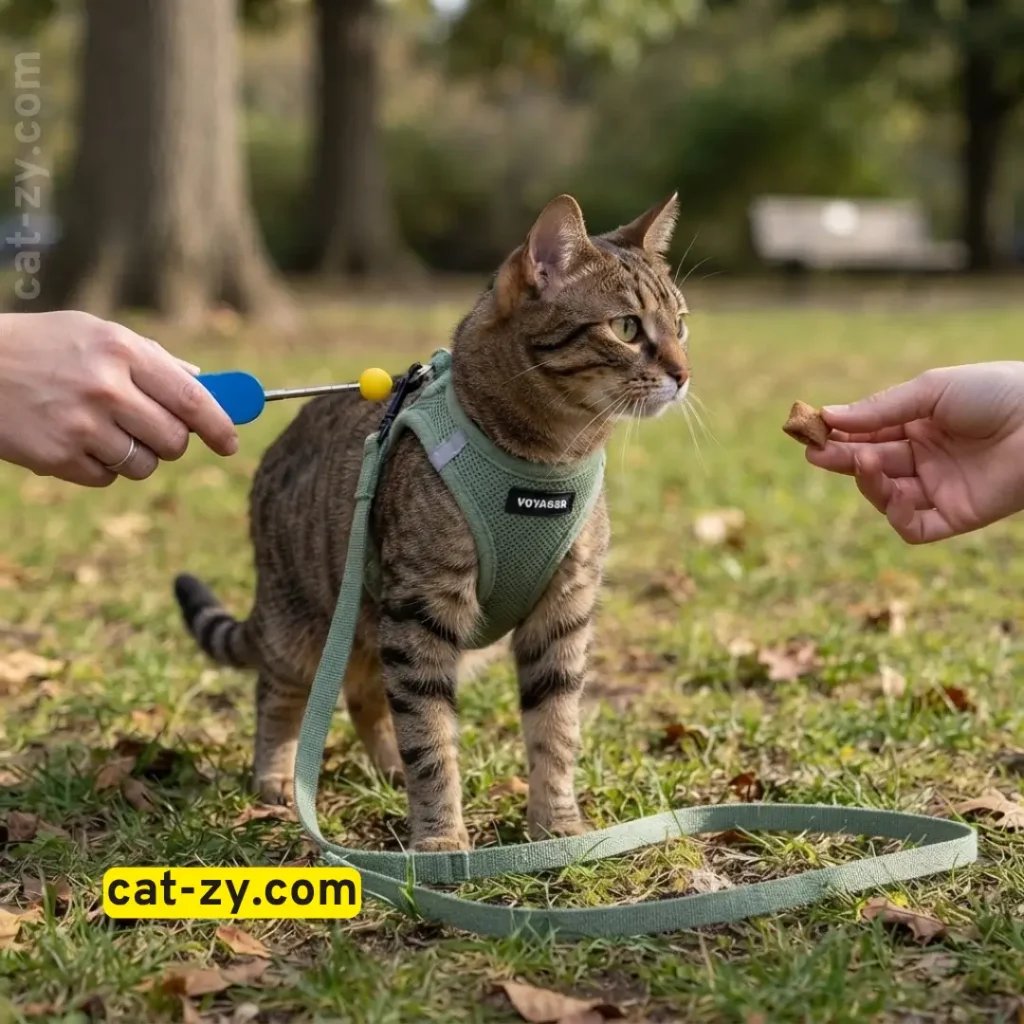
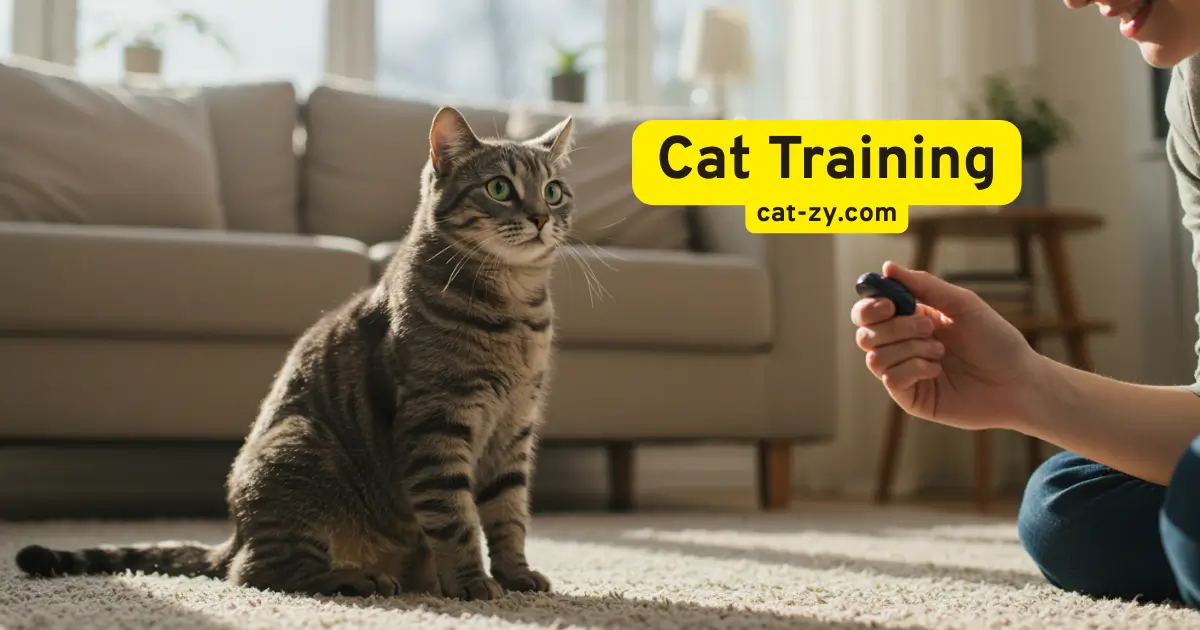
If you are exploring advanced methods for how to harness train a cat, clicker training is an incredibly effective tool. This technique uses a distinct clicking sound to mark the exact moment your cat displays a desirable behavior, followed immediately by a treat.
Basic Principles: Start by charging the clicker. Click and give a treat immediately so your cat learns that the sound always predicts a reward.
Applying to the Harness: Once your cat understands the clicker, bring out the harness. Click and treat when your cat sniffs the gear, touches it, or stays calm as you place it near them. Gradually progress to clicking when they allow you to fasten the straps, helping them connect wearing the harness with instant positive feedback.
The Buddy System: Leveraging Social Learning
Cats are observant creatures, and utilizing the buddy system can speed up the training process through social facilitation. If you have access to another cat that is already comfortable in gear, your hesitant cat can learn by watching them.
Observation in a Neutral Space: Let your cat observe a harness-trained feline friend in a calm environment. Seeing another cat walking, playing, and receiving treats while wearing a harness reassures your cat that the equipment is completely safe.
Social Facilitation During Play: Pair training sessions with meals or playtime alongside the trained cat. The relaxed energy of the experienced cat encourages your pet to follow their lead, making them much more receptive to trying the harness themselves.
Exploring Different Environments Safely
Safely exploring new environments is vital for your cat’s mental and physical health. Start with quiet areas and then move to busier places. This helps your cat become confident in new settings.
Quiet to Busy Location Progression
Begin in quiet areas where your cat feels safe, then gradually introduce them to busier locations. Watch your cat’s stress levels and adjust the pace as needed. If your cat seems stressed, it’s best to go back to a quieter place.
Managing Environmental Stressors
Be aware of potential stressors like loud noises, other animals, and crowded spaces. Manage these by staying calm and having a plan to safely exit if needed. Your cat looks to you for reassurance, so staying calm is key.
Essential Tools and Gear for Harness Training Your Cat
Selecting purpose-built gear is a fundamental prerequisite when learning how to harness train a cat safely. High-quality equipment distributes pressure across the chest rather than the neck, reducing escape risks while protecting your companion’s respiratory health during outdoor activities.
Best Leashes for Harness Training: What to Look For
Standard heavy leashes designed for dogs apply unnecessary tension that can scare a walking feline. A light lead measuring 4 to 6 feet allows sufficient movement while giving you firm control. Avoid using heavy retractable lines in initial phases, as unpredictable tension can cause anxiety and impede habituation.
Training Leash Specifications & Standards
Key metrics and technical dimensions for selecting an optimal training lead
Ideal Lead Length
Provides sufficient exploration movement with firm control
Weight Standard
Avoids unnecessary tension that frightens walking felines
Phase 1 Avoidance
Eliminates unpredictable tension causing anxiety and delays
Top Cat Harnesses Worth Considering
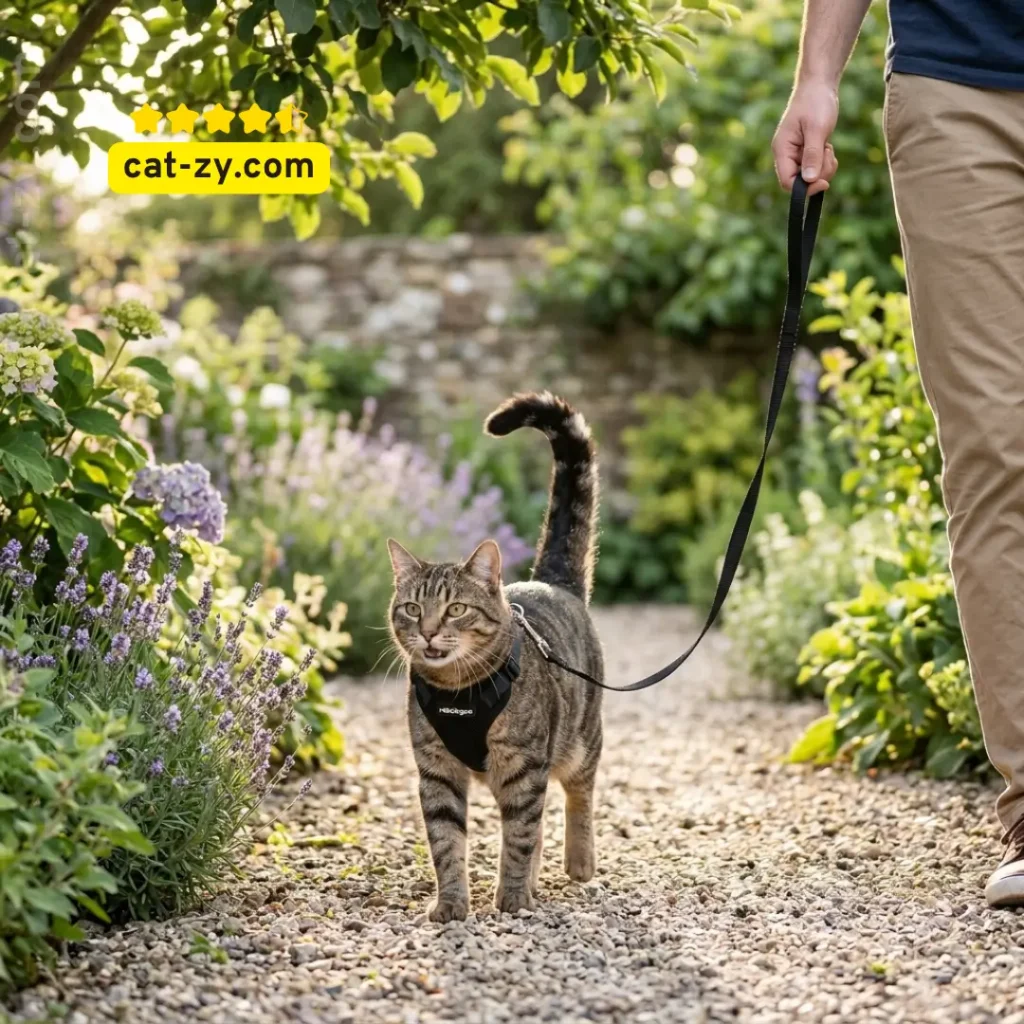
Rabbitgoo Escape Proof Cat Harness: Featuring breathable polyester air-mesh, this vest-style design diverts pulling force from the delicate throat. Built for smaller to average cats with neck sizes from 8.5 to 11 inches and chest girths between 13.5 and 16 inches, it incorporates reflective safety strips, four adjustment points, dual quick-release snap buckles, and an included 4.9-foot lead.
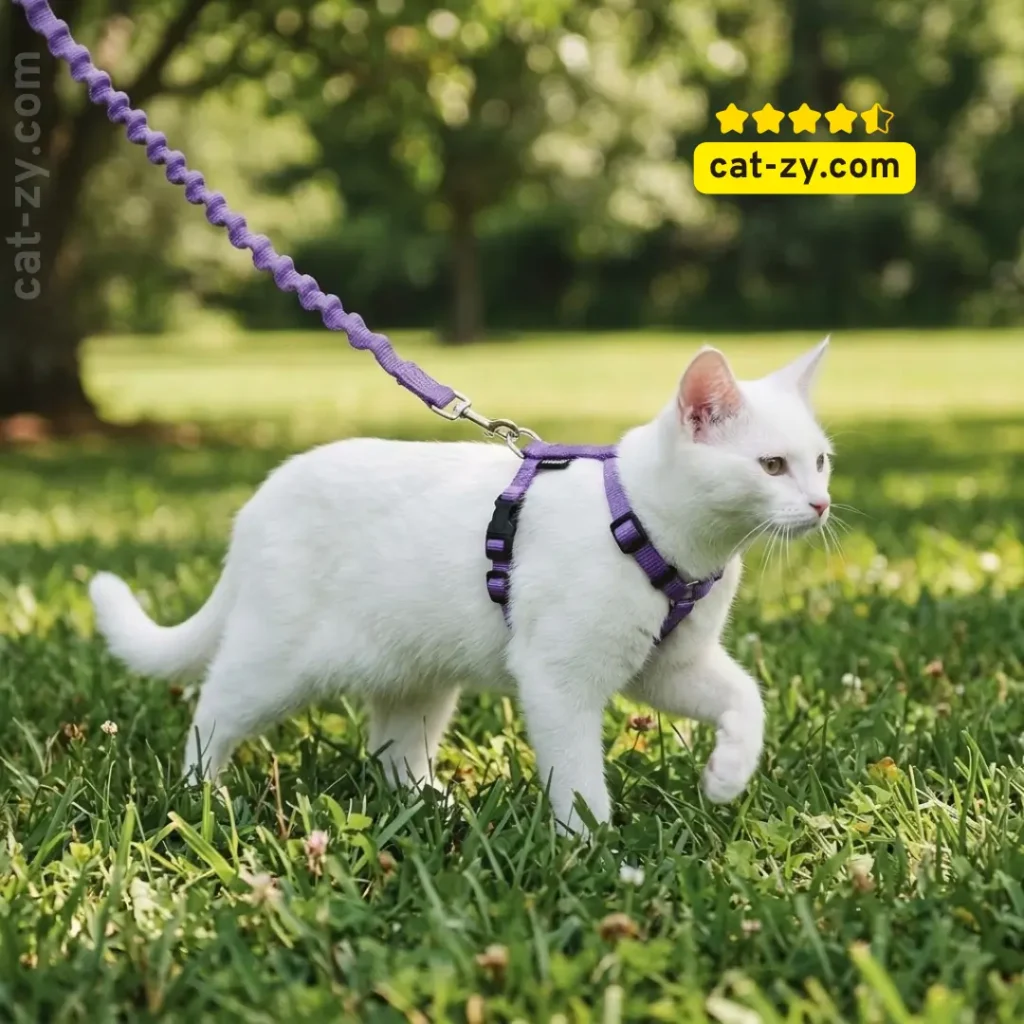
PetSafe Come With Me Kitty Harness: Constructed from light nylon straps, this harness uses a sternum strap that adjusts dynamically to prevent neck strain. The included expandable bungee leash gently absorbs sudden pulling forces, making it ideal for pets learning loose leash movement.
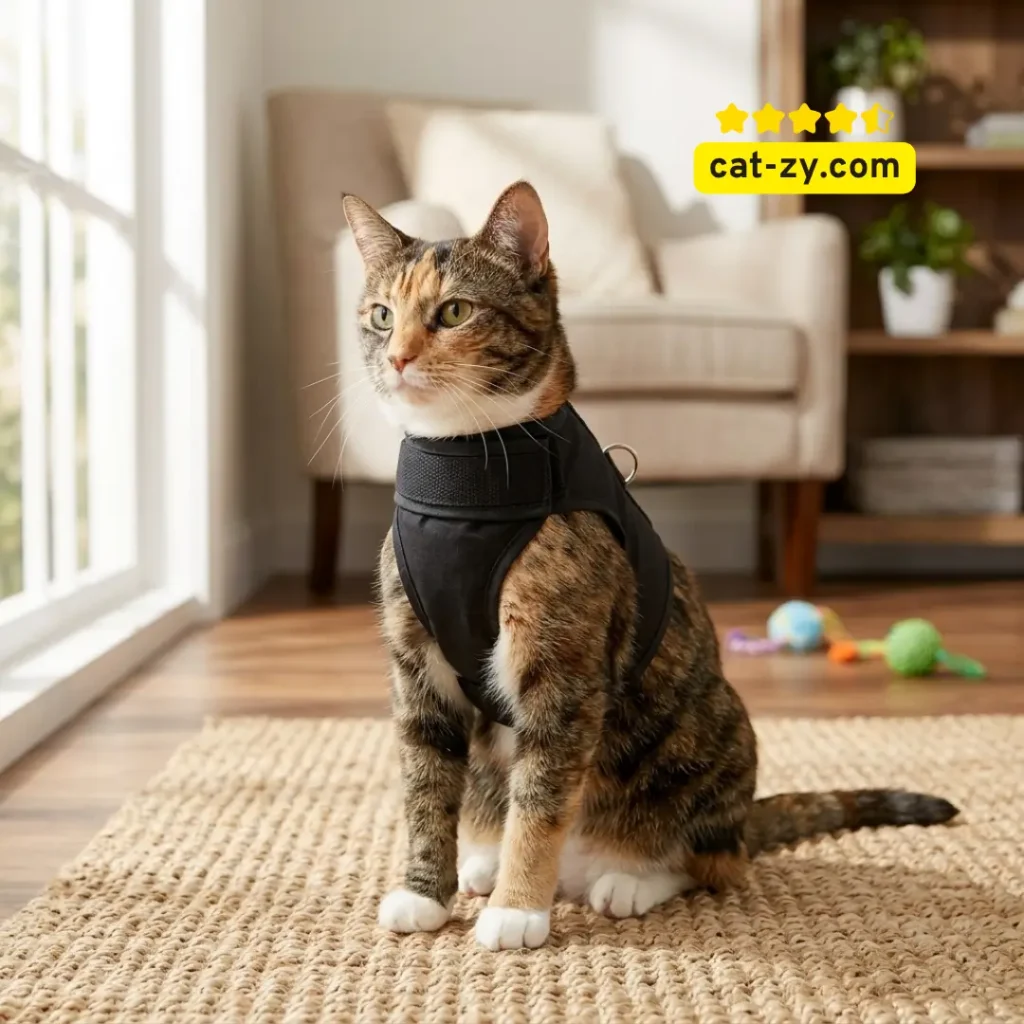
Kitty Holster Cat Harness: Manufactured with a 100 percent undyed cotton lining, this soft vest avoids hard plastic buckles by utilizing broad hook-and-loop closures. Its lightweight structure provides a snug, gentle fit that minimizes skin irritation for sensitive companions.
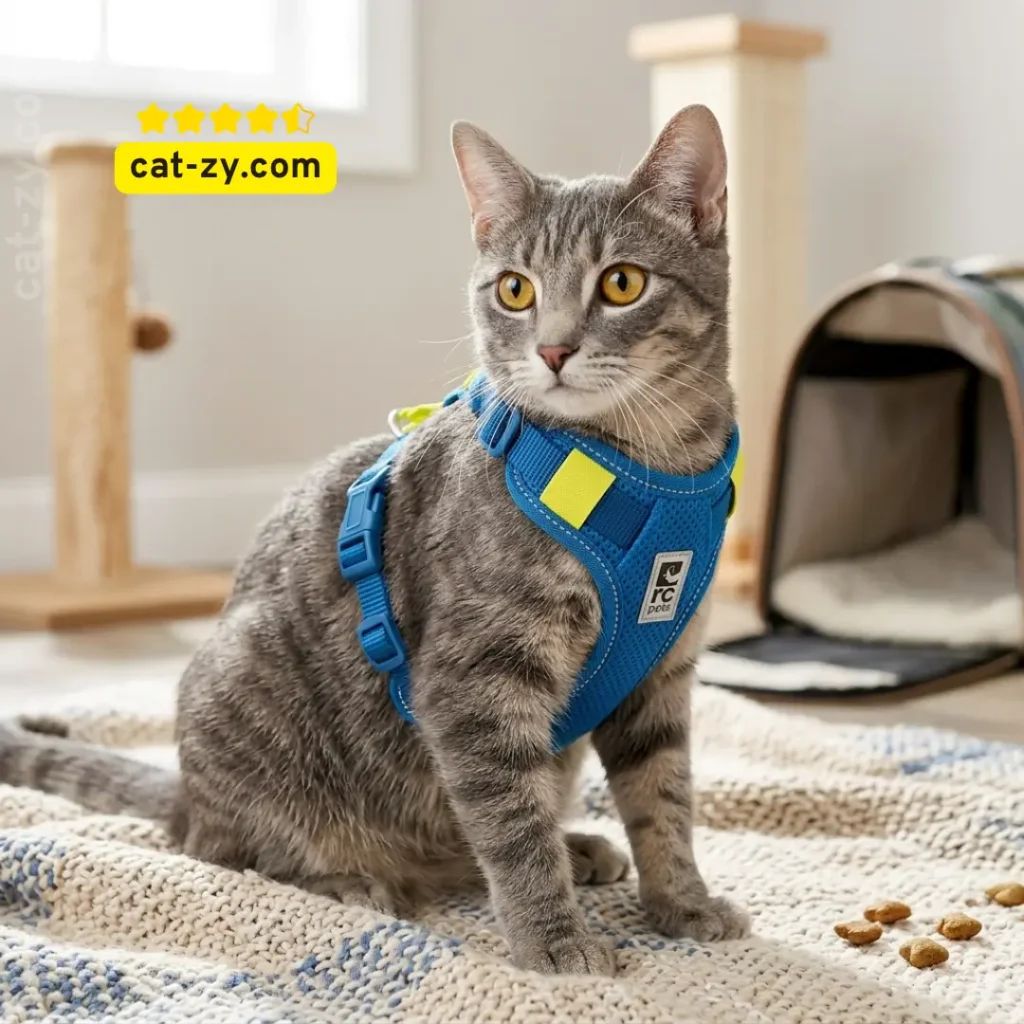
RC Pets Moto Control Harness: Engineered for durability, this multi-use harness blends breathable mesh fabric with reinforced stitching. With quick-release buckles and versatile adjustment points, it offers dependable control suitable for both daily walking and vehicle travel safety.
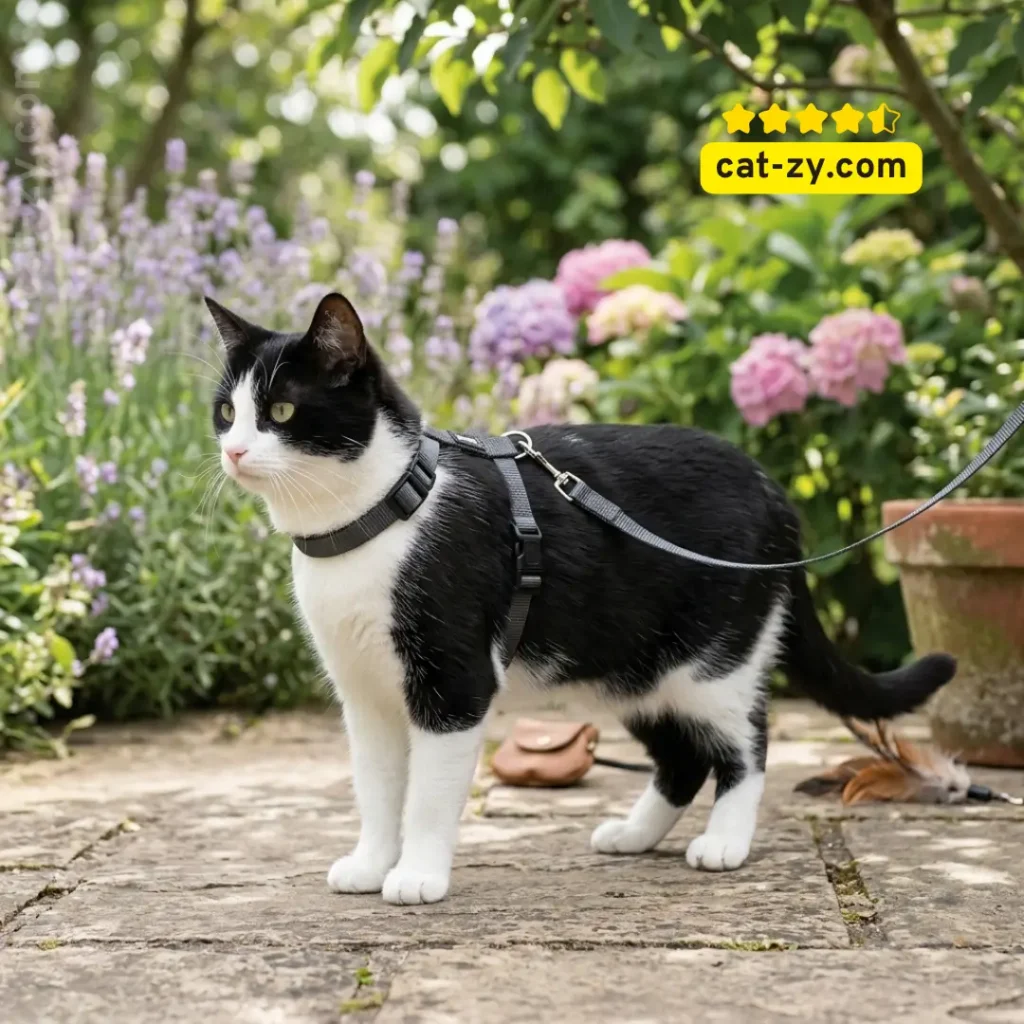
The Catit Nylon Adjustable Cat Harness: Weighing a minimal 1.41 ounces, this simple nylon strap set includes snap buckles and a matching 4-foot lead. It serves as a straightforward option for basic indoor acclimatization.
Cat Backpacks vs. Harness: When to Use Each
Think of them as two different tools in the same kit, each one useful depending on where you are going and how your cat is feeling that day.
Use a harness when your cat is curious, calm, and ready to explore at their own pace. Use a backpack when you need to cover longer distances, navigate crowded areas, or travel with a cat who finds walking on a leash overwhelming.
Best Travel Options for Cats Who Resist Harnesses
Some cats never fully warm up to harness training, and that is okay. A soft-sided carrier or a cat backpack with ventilation windows gives them outdoor exposure without the stress of wearing a harness. Start with short trips and familiar surroundings, and let your cat observe the outside world from a safe, enclosed space before trying a harness again.
QUICK FIT CHECK: The Two-Finger Rule
Cats are master escape artists due to their flexible collarbones and soft fur compression. Always apply the two-finger rule: you should easily slide two fingers flat under both the neck and chest straps. If three fingers slide in easily, the harness is too loose for outdoor safety; if one finger feels squeezed, it restricts movement.
Conclusion
Training your cat to wear a harness can change your life and theirs. It’s all about being patient, consistent, and using positive reinforcement. This way, you can explore the outdoors together.
Learning about cat harness training shows that it’s more than just putting a harness on. It’s about making it a positive experience. Start slow, introduce it gradually, and take it one step at a time. With the right steps, you can face challenges and enjoy the journey.
Starting this journey means being dedicated, patient, and celebrating small wins. This will make your bond stronger and your life together more rewarding.
FAQ
What is the best age to start harness training a cat?
The best time to start harness training a cat is between 6 and 12 months. They are more open to new things at this age. But with patience, older cats can also learn.
How do I choose the right harness for my cat?
Look for a harness that’s comfy and fits well. Make sure it’s adjustable and made of breathable materials. Measure your cat carefully to find the right size.
Why is my cat resisting the harness?
Cats might not like the harness because it’s uncomfortable or scary. Start by introducing it slowly. Use treats and positive words to help them get used to it. Make sure it fits right.
Can I leave my cat’s harness on all day?
No, it’s best not to leave the harness on all day. It can be uncomfortable and might irritate their skin. Use it only when you’re training or going for a walk.
How long does it take to harness train a cat?
Training time varies based on the cat and how often you practice. Most cats learn in a few weeks to months with consistent effort.
What are some common mistakes to avoid during harness training?
Avoid forcing your cat into the harness and not rewarding them enough. Don’t rush the training. Let your cat learn at their own pace.
Can harness training help with my cat’s behavioral issues?
Yes, harness training can help with boredom, anxiety, and destructive behavior. It gives them mental and physical exercise. But if your cat’s behavior is serious, you might need a professional’s help.
Can I use a dog harness on my cat?
No, don’t use a dog harness on your cat. They are made for dogs and might not be comfortable or safe for cats. Choose a harness made for cats instead.
Can older cats be harness trained?
Yes, older cats can learn to wear a harness. But it might take more time and patience. Make sure to consider their health and physical abilities first.
What is harness training a cat, and why is it important?
Harness training lets your cat wear a harness and walk on a leash. It’s great for safe outdoor fun. It also keeps your cat’s mind and body active and strengthens your bond.





One Comment