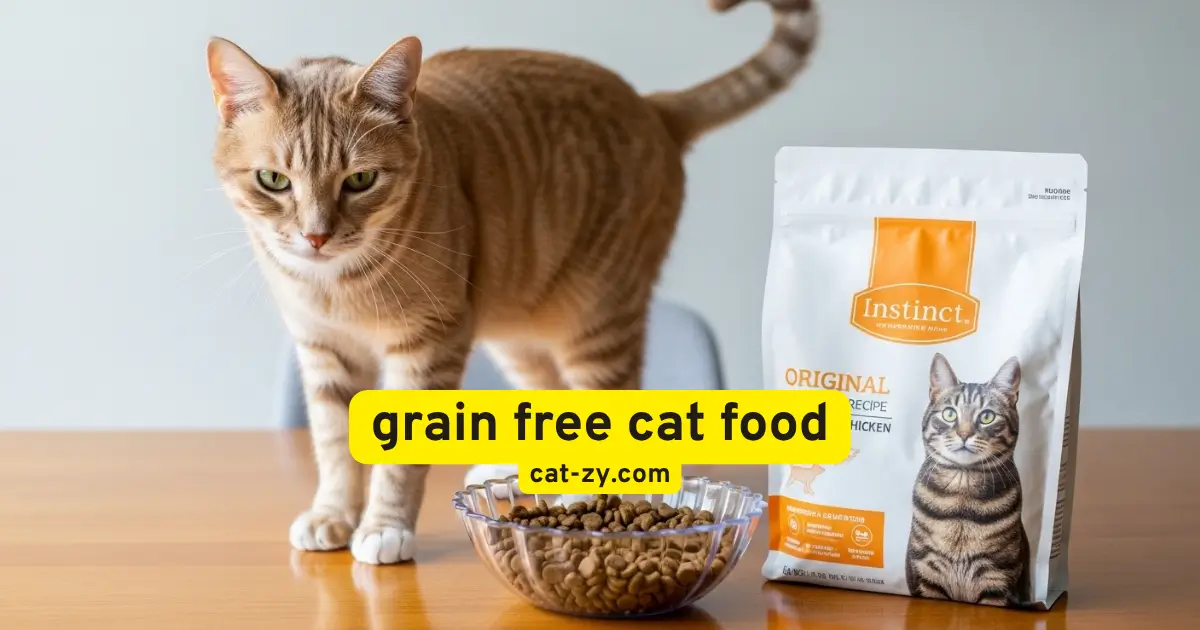
7 Hidden Heart Dangers of Grain Free Cat Food

If you’re a cat owner, you might have thought about switching to grain free cat food. You want the best for your pet, and grain-free diets seem natural. But the truth is more complicated.
Choosing the right food for your cat’s nutrition is key to their health. With so many options, it’s important to know the facts. Here, we’ll share 7 shocking facts about grain-free diets that every cat owner should know.
Table of Contents
Understanding Grain-Free Cat Food and Its Rise in Popularity
As a cat owner, you might have heard about grain-free cat food and wondered if it’s right for your pet. But what does it really mean? The pet food industry has seen a big change towards grain-free diets for cats. This is because many think grains are bad for cats’ health. But is this true?
What Defines Grain-Free Cat Food?
Grain-free cat food doesn’t have grains like wheat, barley, or rice. Instead, it uses other carbs like potatoes, peas, and lentils. The important thing to remember is that ‘grain-free’ doesn’t mean ‘carb-free’. Manufacturers use other carbs that can be just as important for nutrition.
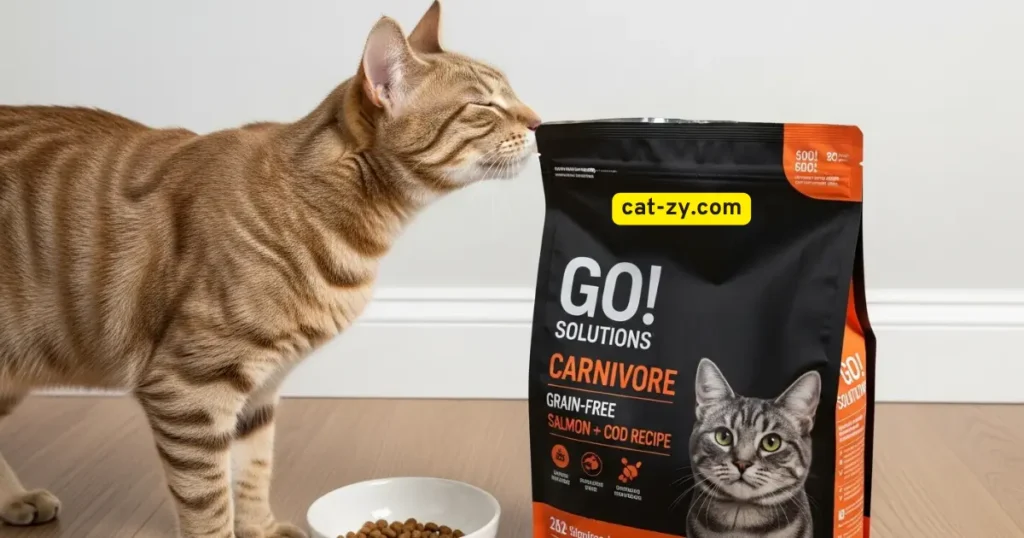
Fact 1: Cats Are Obligate Carnivores – But That Doesn’t Mean Grain-Free
Cats need a diet rich in protein from animal sources. Their natural diet is mostly meat, which is low in carbs and high in protein. But this doesn’t mean grain-free diets are always the best for cats.
The Evolutionary Diet of Cats
Cats have evolved to be meat-eaters. Their diet is high in protein and fat, and low in carbs. Their digestive system is made for meat, with short tracts and special enzymes.
Digestive Capabilities: What Cats Can Actually Process
While cats are meant to eat meat, they can’t digest plant nutrients well. But they can handle some carbs. The key is to make sure any carbs are of high quality and don’t take away from important nutrients.
The Surprising Health Concerns Behind Grain Free Cat Food
Recent studies have raised alarms about the potential health risks of grain free cat food. Cat owners choose grain-free diets, thinking they are healthier. But new evidence shows these diets might be linked to serious health issues.
Fact 2: The FDA’s Alarming Investigation Into Grain Free Diets
The FDA is looking into a possible link between grain free cat food and heart disease in cats. They started this investigation because of a rise in dilated cardiomyopathy (DCM). DCM makes it hard for the heart to pump blood.
The FDA’s investigation is still going on. But they have found a possible link between grain-free diets and DCM. They advise cat owners to be cautious and talk to their vets.
Fact 3: The Unexpected Link Between Grain Free Diets and Heart Disease
The connection between grain free cat food and heart disease is a growing worry. Heart disease in cats can take many forms, with DCM being a big risk with grain-free diets.
Dilated Cardiomyopathy (DCM) Risk Factors
DCM makes the heart big, which hurts its ability to pump blood. Risk factors for DCM include not getting enough taurine, an amino acid key for heart health. Grain-free diets might lack certain nutrients, which could contribute to DCM.
Taurine Deficiency Concerns
Taurine is vital for cats, especially for heart health. Not enough taurine can cause DCM and other heart problems. Some grain free cat foods might not have enough taurine, either because of low taurine ingredients or not enough added.
Cat owners need to know these risks. They should make sure their cat’s diet is balanced and meets all nutritional needs. Talking to a vet can help find the best diet for your cat, considering their health needs and the risks of grain free cat food.
Nutritional Truths About Grain Free Cat Food
Grain free cat food is popular among cat owners. But the real nutritional value of these foods is often missed. It’s key to know how grain-free diets affect your cat’s health.
Fact 4: The Substitute Ingredients May Be Worse Than Grains
When grains are taken out, other ingredients are added to keep the food balanced. But these new ingredients might not be better than the grains they replace.
Common Grain Replacements and Their Impact
Legumes and potatoes are often used instead of grains. They have some good points, but they can also harm your cat’s health. Legumes, for example, are hard for cats to digest because of their complex carbs and proteins.
Legumes, Potatoes, and Other Fillers
Legumes like lentils and chickpeas, and potatoes are common in grain free cat food. They make the food cheaper and bulkier. But their nutritional value is a topic of debate. It’s important to check if these ingredients are good for your cat’s health.
Fact 5: Protein Source Quality Trumps Grain-Free Labels
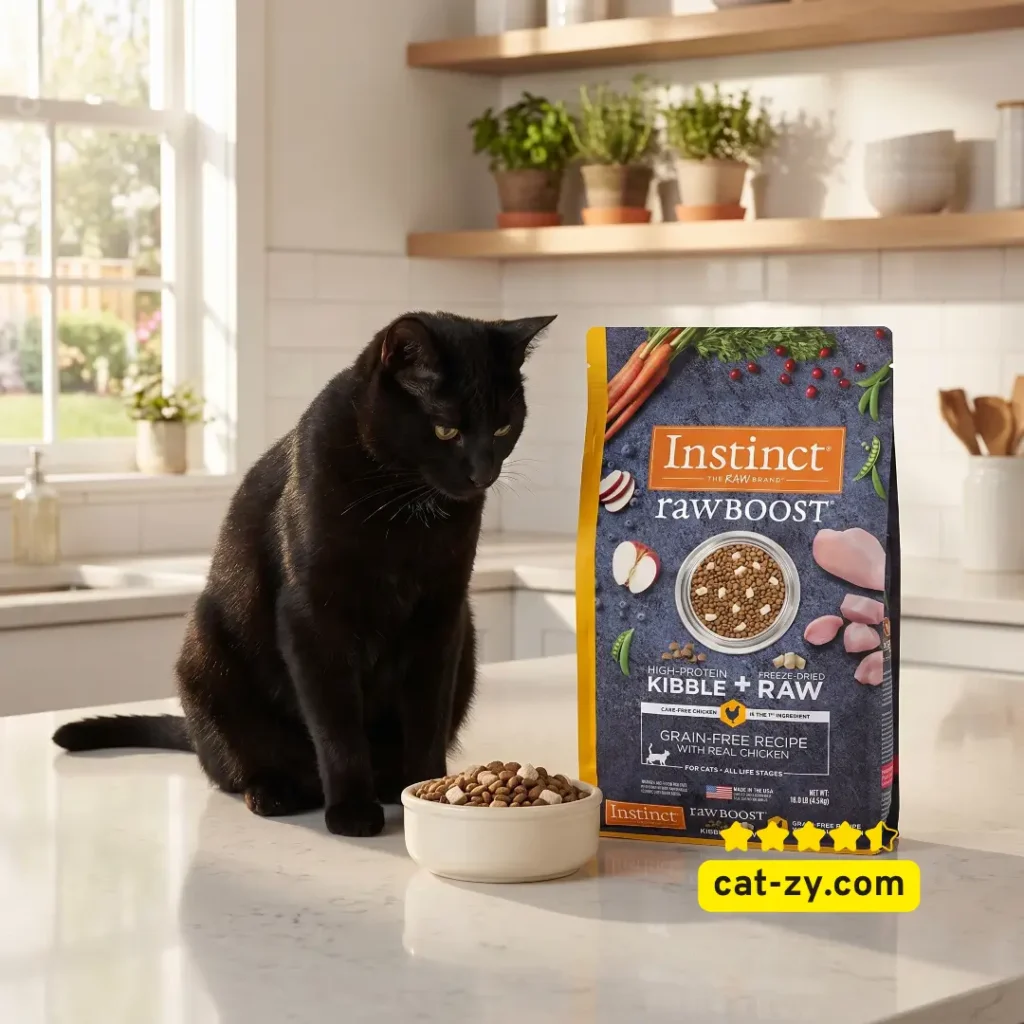
When picking a grain free cat food, animal protein quality matters most. Look for a premium formula with cat food with chicken as the first ingredient to feed your obligate carnivore properly.
Don’t let marketing labels distract you from real nutrition in grain free cat food. Choosing a balanced cat food with salmon ensures your cat gets the high-quality, real meat they naturally crave.
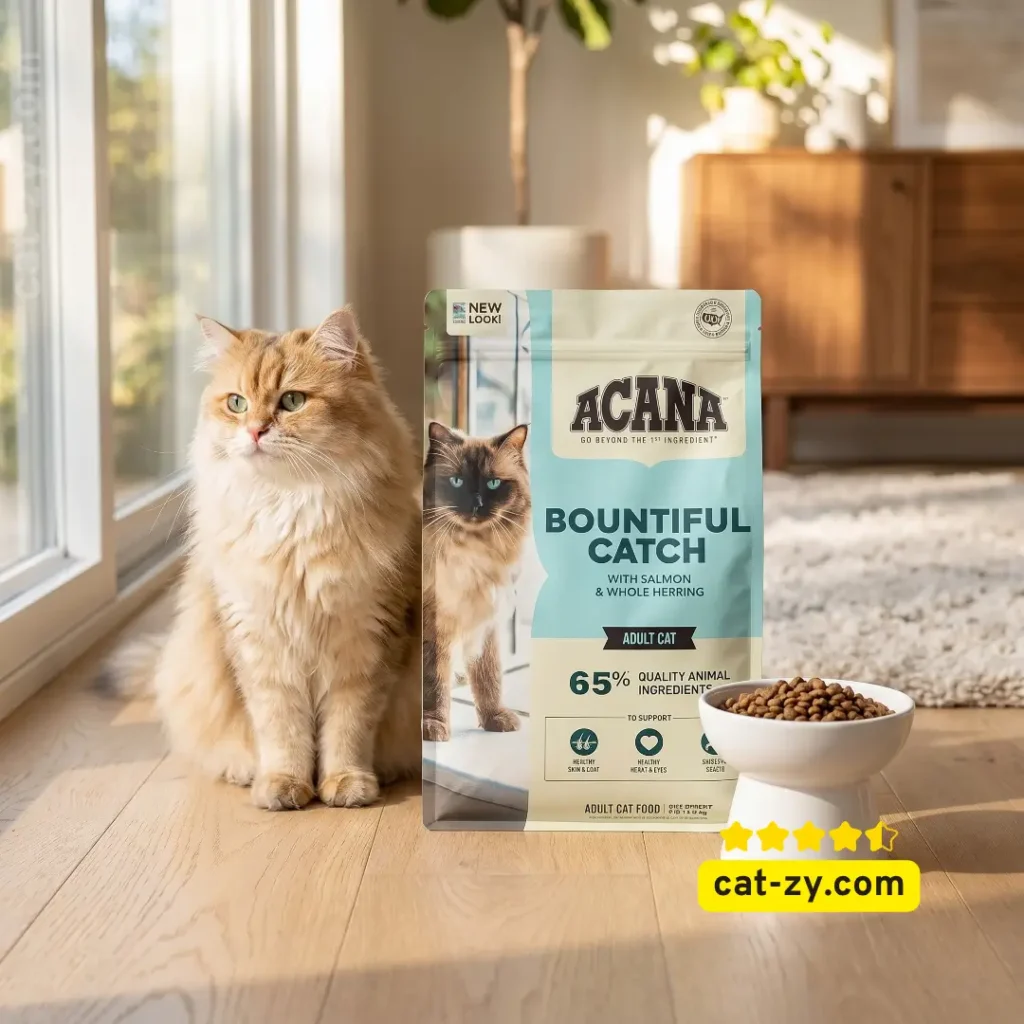
Choosing grain free cat food means more than just avoiding grains. It’s about finding foods with good, nutritious ingredients that fit your cat’s needs. Always check the labels and talk to your vet to find the best food for your cat.
Making Informed Decisions About Your Cat’s Diet
Choosing the right cat food is important. You want the best for your pet, and that includes their diet. Knowing about grain free cat food can help you make the right choice for your cat.
Fact 6: When Grain Free Diets Are Actually Beneficial
Grain-free diets are good for some cats. They are helpful if your cat has a true food allergy or intolerance to certain grains. Identifying these allergies is key to deciding if a grain-free diet is necessary.
Identifying True Food Allergies vs. Marketing Hype
It’s important to know the difference between real food allergies and marketing tricks. Talk to your vet to see if your cat’s symptoms are from a food allergy or something else. A proper diagnosis is crucial before switching to a grain-free diet.
Special Cases: When to Consider Grain Free Options
Certain health conditions or sensitivities might make grain-free diets a good choice. Your vet can tell if your cat needs this. Grain-free should be a considered choice, not a default.
Fact 7:The Price Premium Doesn’t Always Equal Better Nutrition
Premium cat foods, including grain-free options, are often more expensive. But a higher price doesn’t always mean better nutrition. Look at the ingredient list and nutritional content, not just the price or marketing claims.
When picking a cat food, think about your cat’s needs. Talk to your vet to make a good choice. This way, you can make sure your cat gets the best nutrition.
Transitioning Your Cat’s Diet: A Practical Guide
Whether you’re switching to grain free cat food or changing brands, the process matters as much as the food itself. A gradual transition allows your cat’s digestive system to adjust to new ingredients while minimizing feeding difficulties.
Transitioning Your Cat’s Diet: A Step-by-Step Guide
The recommended approach is a gradual transition over 7 to 10 days.
- Days 1 to 2: Feed 3/4 of the normal amount of current food and add 1/4 of the new food.
- Days 3 to 4: Serve half the current food and half the new food.
- Days 5 to 7: Feed 3/4 of the new food and 1/4 of the previous food.
- The final stage, covering days 8 through 10, involves feeding the new formula exclusively.
Thoroughly mixing both foods helps prevent your cat from picking out only the familiar pieces. This is crucial, as selective eating can undermine the transition process.
Some cats require longer adjustment periods. Cats may need up to 40 days to transition, so be patient. Cats with sensitive stomachs, senior cats, or those switching between very different food types may benefit from a slower 14-day transition, or longer, with smaller incremental changes.
Common Mistakes When Switching Cat Food
The most frequent error is moving too quickly. The most common mistake is moving too fast after one good meal. The second is changing too many things at once. If you are switching food, try not to also add new treats, toppers, supplements, or a different feeding schedule in the same week.
Another critical mistake involves inconsistent mixing ratios. One breakfast might be 10% new food; the next breakfast might be 30% new food. That does not mean the food is failing. It may simply mean your cat needs a predictable pace.
Avoid using food restriction as a strategy to force acceptance of unfamiliar formulas. Felines should not fast for more than 24 hours.
Timeline and Schedule for Diet Changes
For most cats, plan on taking 1-2 weeks to transition from one cat food to another, depending on whether you feed wet or dry food.
You’ll know when to move on to the next percentage of new food by checking your cat’s stools. When stool consistency appears normal and solid—without signs of looseness—you can progress to a higher proportion of the new formula. This observation-based approach is more reliable than strict timing.
A careful transition is not about getting to the new food quickly. The goal is to allow your cat’s digestive system, eating habits, and established routines to adapt gradually while minimizing behavioral disruption. Whether transitioning to grain free cat food or any other formula, consistency and patience are essential for success.
Grain-Free vs. Traditional Cat Food: Understanding the Actual Differences
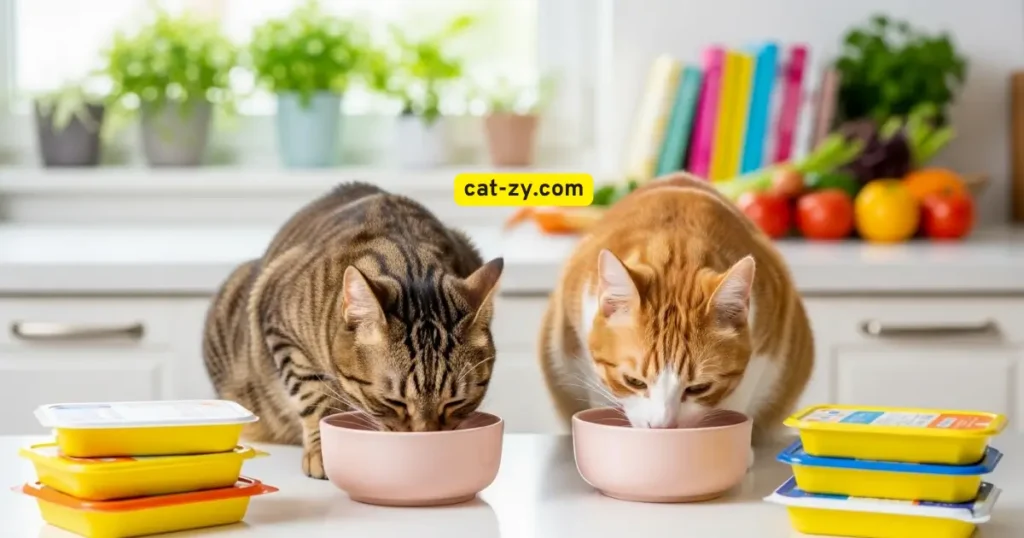
When evaluating grain-free cat food options, it’s essential to understand what you’re actually comparing and what the price difference truly reflects. Let’s examine the facts without marketing influence.
What Defines Grain-Free vs. Traditional Formulas
Grain-free cat food removes grains such as wheat, corn, rice, barley, and oats. The grain-free cat diets swap grains for peas, potatoes, sweet potatoes, and tapioca. Traditional grain-inclusive formulas, meanwhile, incorporate ingredients like brown rice, oatmeal, or barley, which can provide digestible energy and essential nutrients.
Here’s a critical fact many don’t realize: grain is not inherently harmful. The problem arises when grain displaces protein, when a formula uses wheat or corn to bulk out a recipe that should be leading with meat. The real distinction isn’t grain versus no grain—it’s about what the carbohydrate sources are and how much quality animal protein the food contains.
The Carbohydrate Reality
A common misconception about grain free cat food is that it automatically contains fewer carbohydrates. Just because you are using a grain-free diet doesn’t mean that you are feeding your cat less carbohydrate. It also doesn’t predict whether the food will be high or low in calories. All dry cat diets contain carbohydrates of some kind.
Research demonstrates that carbohydrates ranging from 2.8% to 57% metabolisable energy did not increase body fat, fasted insulin, or blood glucose in cats. The carbohydrate difference between brown rice and sweet potato is negligible from a nutritional standpoint.
The Price Difference: What You’re Actually Paying For
The average price per unit is noticeably higher for grain-free options compared to traditional cat food, reflecting the premium ingredients and specialized manufacturing processes involved. Grain-free formulas typically cost $1.95 to $8.22 per pound, while traditional grain-inclusive foods often cost under $1 per pound.
A grain-free food can actually have more carbohydrates than regular cat food if it’s loaded with potato starch or pea flour. The real question isn’t “grain or no grain”—it’s whether the food has enough quality animal protein and low enough carbs.
Ingredient Composition and Perception
Grain-free formulas typically feature vegetables such as peas, potatoes, carrots, and cranberries as their dominant plant-based carbohydrate sources. The most common plant-sourced ingredients in grain-containing diets were rice, flax, cranberries, and oats. While grain-free formulas may feature exotic meats like venison, bison, and rabbit, these ingredients don’t necessarily provide nutritional advantages.
The core difference: grain free cat food replaces one carbohydrate source with another. Neither is inherently superior from a compositional standpoint—the quality of protein sources and overall formula balance matter far more than the carbohydrate base.
Conclusion: Balancing Facts and Marketing When Choosing Your Cat’s Food
As a cat owner, you now know how to pick the right cat food. You can see through the marketing to focus on what’s best for your cat’s health.
It’s important to look at more than just the label. Check the nutritional content, the quality of the protein, and any health risks. This way, you can choose the best food for your cat.
Knowing the good and bad about grain free cat food is key. Always talk to your vet to find the best diet for your cat. This helps you make a smart choice for your cat’s food needs.
FAQ
What is grain free cat food?
grain free cat food doesn’t have grains like wheat, barley, or rice. Instead, it uses other carbs like potatoes, sweet potatoes, and legumes.
Are cats obligate carnivores, and does that mean they need grain-free food?
Yes, cats must eat a lot of protein from animals. But they don’t always need grain-free food. What matters most is the quality of the ingredients and how the diet is made.
What are the potential health concerns associated with grain free cat food?
Grain free cat food might raise the risk of heart problems and taurine deficiency. The FDA is looking into heart issues in cats eating these diets. But the exact cause is still being studied.
What are common grain replacements in grain free cat food, and are they safe?
Legumes, potatoes, and sweet potatoes are often used instead of grains. While these ingredients provide energy, their safety depends entirely on quantity. The real issue is when manufacturers use massive amounts of cheap legumes or potato starch as fillers to artificially bulk up the food instead of using high-quality animal meat. This heavy reliance is what can lead to severe nutrient imbalances and potential heart health risks like taurine deficiency.
Is a grain-free diet beneficial for cats with food allergies?
Grain-free diets can help cats with grain allergies. But most cats are allergic to proteins like beef or chicken, not grains. It’s important to find out what they’re allergic to and choose the right diet.
Does a higher price for grain free cat food mean it’s better for my cat?
Not always. Even though some grain-free foods are expensive, that doesn’t mean they’re better. Always check the ingredients and talk to your vet before choosing a food.
How can I make an informed decision about my cat’s diet?
Think about your cat’s needs, health, and lifestyle. Talk to your vet to find the best diet. Look closely at the ingredients and nutritional content of any food you’re considering.
How long does it take to see changes after switching to grain-free cat food?
Cats typically require 10 to 14 days to adjust to new food types, though individual variations occur based on eating habits and preferences. It may take up to 12 weeks to determine whether a new dietary regimen is producing the intended results. The initial transition phase focuses on digestive adaptation rather than observable behavioral shifts.
Can I mix grain-free and traditional cat food permanently?
A cat’s sophisticated digestive system is capable of processing a variety of different food types simultaneously. However, consistency matters more than variety for optimal nutrition. Cats generally will not eat food that has been mixed into one large bowl and can pick out only the familiar pieces, so separate bowls work best if combining formats.

20 Comments