
7 Viral Cat Food Wet Secrets You Still Do Not Know

Walk down any pet store aisle, and you’ll see rows of small cans and pouches promising to make your cat’s dinner more exciting than a bowl of dry kibble. Cat food wet has earned its spot in so many feeding routines, and for good reason: it brings moisture, aroma, and texture that dry food simply can’t match. For a lot of owners, the decision to add cans or pouches to a feeding routine starts with something small, a cat who sniffs at kibble and walks away, or a vet mentioning hydration during a checkup, and from there it becomes a regular part of the household.
This guide breaks down everything you need to know before you commit a shelf of your pantry to it: how it’s made, what the different textures actually mean for your cat, the real pros and cons compared to dry food, how to read a label without getting lost in marketing language, and how much your cat actually needs each day. Understanding these basics from the start makes the whole decision a lot less overwhelming, no matter how you end up using it in your cat’s routine.
Table of Contents
What Is Cat Food Wet, Exactly?
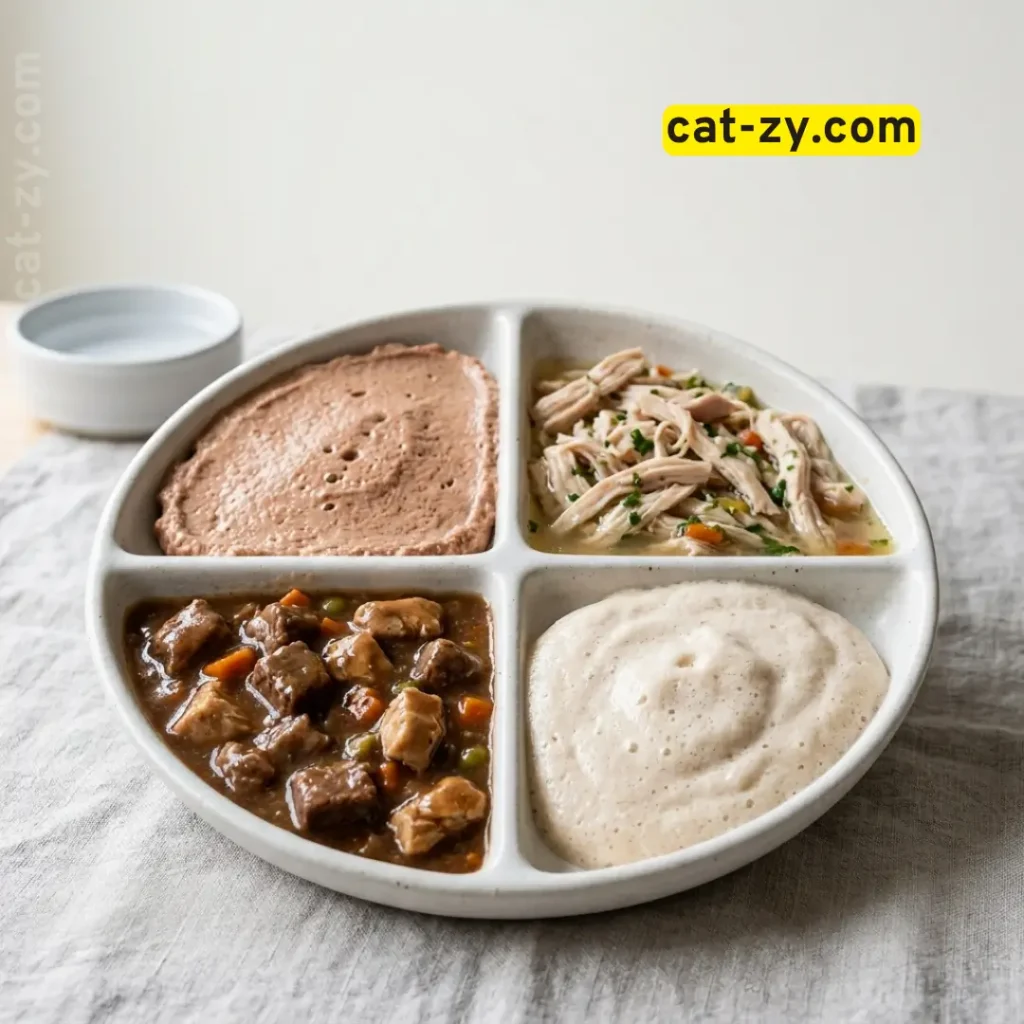
Understanding the high moisture levels and specific manufacturing steps of wet cat food helps you grasp why this meal format looks and behaves so differently from dry kibble in your home.
The Definition and Unique Characteristics
Wet food is exactly what it sounds like: a canned or pouched meal built around a high moisture content, usually somewhere around 75 to 80 percent water. Compare that to dry kibble, which typically sits closer to 10 percent moisture, and you start to see why the two feel so different in the bowl and in your cat’s body. That single difference in water content shapes almost everything else about how the food behaves, from texture to shelf life to how it fits into a daily feeding routine.
How It’s Made: Behind the Scenes
The process is fairly straightforward. Ingredients are mixed into a base, cooked, then sealed into their cans or pouches before going through a heat treatment that sterilizes the contents. That sealed, sterile environment is the reason a can can sit on a shelf for a year or more without needing artificial preservatives once it’s unopened. Once that seal is broken, though, the food behaves more like fresh meat than a shelf-stable product, which is part of why storage habits matter so much once a can is opened at home.
Common Types and Textures (And Why Textures Matter)
Texture isn’t just a preference thing; some cats will flatly refuse a food based on mouthfeel alone.
Pâté and Loaf
A smooth, uniform block that’s easy to portion and often the gentlest option for cats transitioning between foods.
Minced, Shredded, and Flaked
Small pieces that give a bit more chewing resistance without demanding much effort.
Gravy, Stews, and Chunks
Bite-sized meat pieces sitting in a thicker sauce, popular with cats who like to lick before they eat.
Mousses and Smooth Purées
An almost whipped, creamy consistency that tends to appeal to kittens and older cats with sensitive mouths.
For a closer look at how these formats stack up against each other, (Friskies Pate: A Popular Choice for Cats) is worth a read.
Wet vs. Dry Cat Food: Which Is Better?
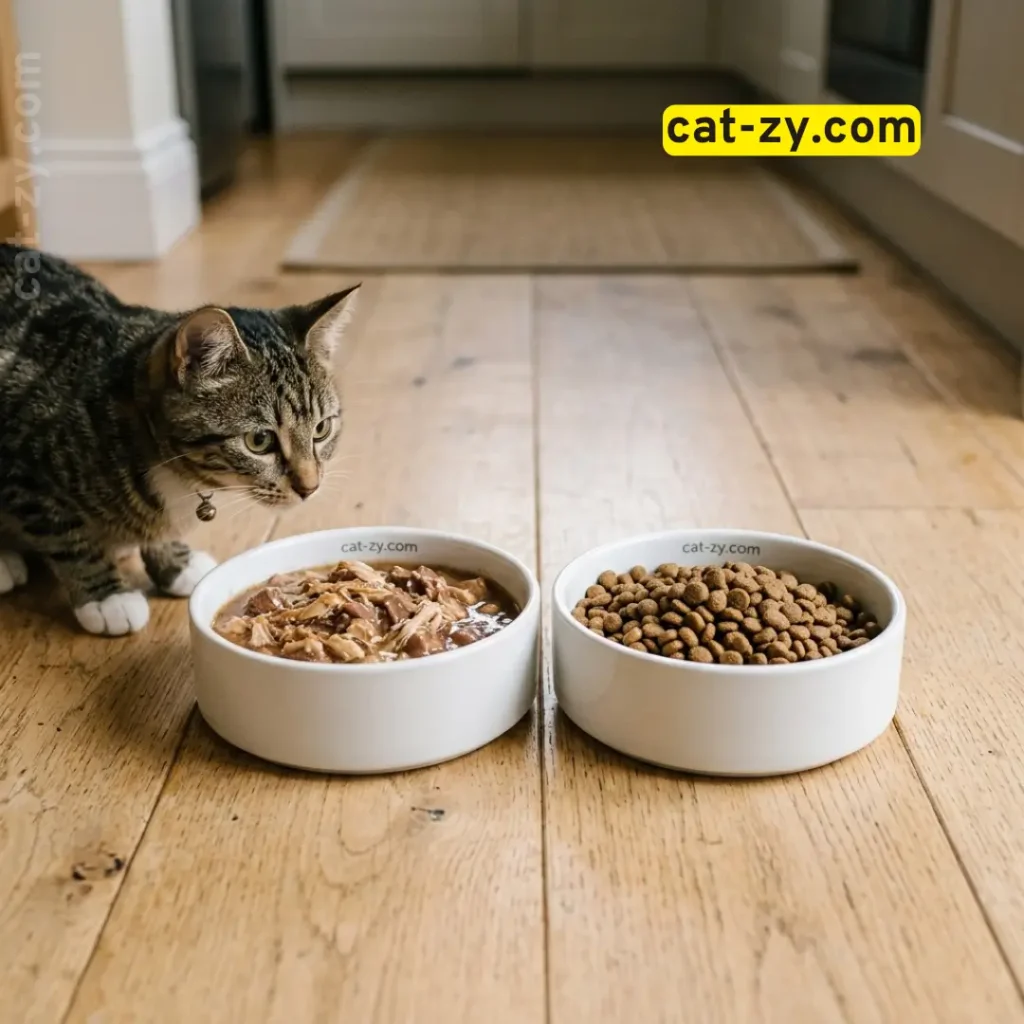
Comparing a diet based on wet cat food against dry kibble requires looking at moisture levels, daily costs, and how to effectively combine both in a mixed feeding schedule.
Key Differences at a Glance (The Ultimate Comparison)
| Factor | Wet Food | Dry Food |
|---|---|---|
| Moisture | ~75-80% | ~10% |
| Carbohydrates | Generally lower | Generally higher |
| Calories per serving | Lower density | Higher density |
| Cost per meal | Higher | Lower |
| Shelf life once opened | Short | Long |
One detail that trips up a lot of label readers: comparing the protein or fat percentage printed on a wet can directly to the percentage on a bag of kibble isn’t really an apples-to-apples comparison. Because wet food carries so much more water weight, its label numbers look lower on paper even when the actual nutrient density is similar or higher. Nutritionists get around this by converting both foods to a dry matter basis, essentially removing the water from the math so protein, fat, and carbohydrate levels can be compared fairly. Once that adjustment is made, a lot of wet formulas turn out to be just as protein-rich, or more so, than their dry counterparts.
The Pros and Cons of an All-Wet Diet
An all wet diet tends to support better hydration and can be gentler on the urinary tract, but it comes with a higher grocery bill and spoils quickly once it hits the bowl, so timing matters more. There’s also the practical side to consider: cans and pouches take up more storage space, produce more packaging waste, and require a bit more prep work than simply filling a dry food bowl for the week. None of that outweighs the benefits for most owners, but it’s worth factoring into a realistic routine.
The Mixed Feeding Strategy: Can You Combine Both?
Plenty of owners land on a middle ground: kibble available for grazing, with a can or pouch served once or twice daily. This mixed approach can balance the cost of dry food with the moisture benefits of wet food, and it’s a common recommendation for cats who need both convenience and hydration. It also gives you flexibility if your schedule changes, since dry food can sit out safely for longer stretches while the wet portion covers the moisture side of things.
The Top Health Benefits of Wet Cat Food
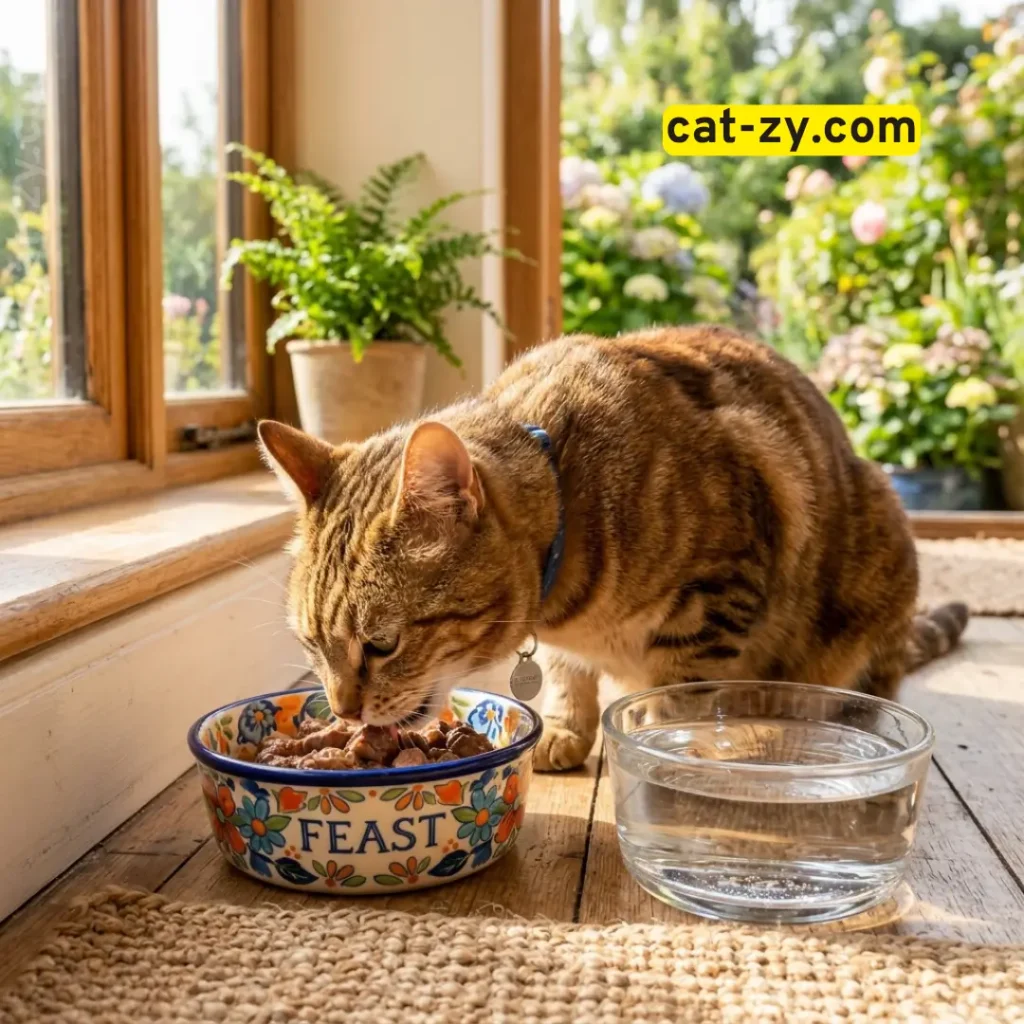
Serving your feline a balanced portion of wet cat food naturally supports daily hydration levels, bladder wellness, and weight management while appealing to senior pets.
Hydration and Kidney Support
Cats descend from desert-dwelling ancestors and never developed a strong thirst drive, which means many of them simply don’t drink enough water from a bowl. The extra moisture built into wet food helps fill that gap naturally, supporting overall kidney and urinary function over time. Even a cat that drinks from its water bowl regularly still tends to take in more total fluid on a wet food diet than on kibble alone, simply because the food itself is doing part of the work.
A home-based feeding study that tracked senior cats over several days found that this gap is bigger than most owners would guess. Cats eating a fully wet diet ended up with roughly two to three times more total daily water intake than cats eating only dry food, even though those same wet-fed cats actually drank less from the water bowl itself. The water was simply already built into their meals, which is exactly the kind of hidden hydration boost that makes wet food worth considering for cats who never seem interested in their water dish.
Urinary Tract Health (UTI Prevention)
More fluid moving through the body means more dilute urine, which can make it harder for crystals or stones to form in the bladder. This is one of the more commonly cited reasons vets bring up wet food for cats prone to urinary issues, and it’s often one of the first dietary changes suggested after a cat has had a urinary scare.
Weight Management and Satiety
Because it’s high in water and protein but comparatively low in carbohydrates, wet food can help a cat feel satisfied on fewer calories, which is useful for cats who need to maintain or shed some weight. The bulk of the added moisture also tends to slow down eating a little, which some owners notice helps with cats who otherwise inhale their food in seconds.
High Palatability for Picky Eaters and Seniors
The stronger smell that comes off a freshly opened can is often enough to tempt a cat who’s turning its nose up at kibble, and the softer texture is much easier on the mouths of senior cats or those with dental discomfort. This makes wet food a common go-to during recovery from illness or dental work too, when a cat needs to keep eating but can’t manage anything crunchy.
Potential Downsides and Limitations
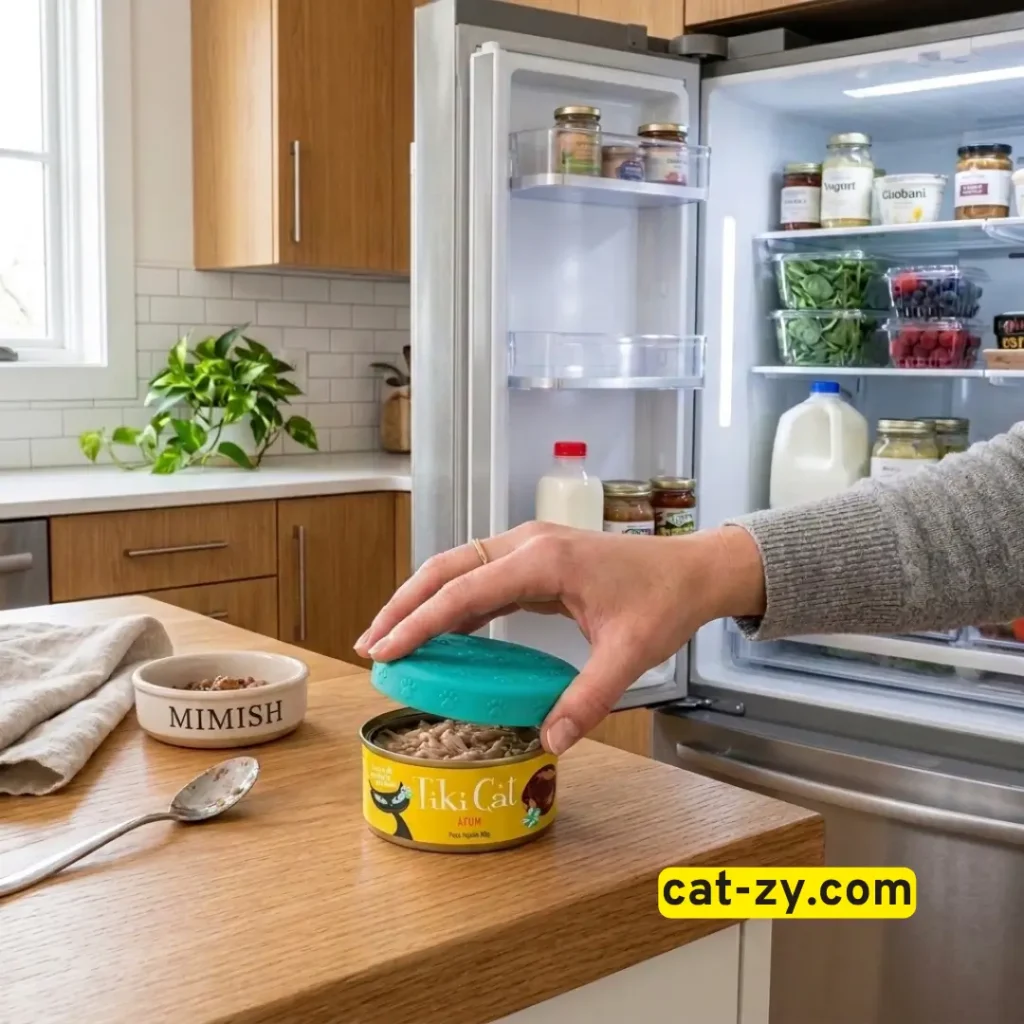
While highly beneficial, transitioning to wet cat food involves managing higher daily grocery costs, keeping up with quick spoilage rates, and establishing proper dental care.
Cost and Budget Considerations
Feeding exclusively wet food usually costs noticeably more per day than an all dry diet, simply because of the packaging, water content, and shorter shelf life driving up the price per calorie. For multi-cat households, this cost adds up quickly, which is one of the main reasons the mixed feeding approach mentioned earlier appeals to so many owners on a budget.
Shorter Shelf Life and Spoilage Risk
Once a can is opened, the clock starts ticking. Bacteria can start growing within hours if the food sits out, especially in warm rooms, which means portion control and prompt refrigeration become part of the daily routine. Buying smaller cans or single serve pouches can help reduce waste if your cat doesn’t finish a full can in one sitting.
Dental Health Debate: Does It Cause Tartar?
There’s a persistent idea that wet food is worse for teeth than kibble because it doesn’t scrape plaque away. In reality, most kibble doesn’t offer much dental benefit either unless it’s specifically designed for that purpose, so the wet versus dry debate on dental health is more myth than proven fact. Dental health tends to come down more to genetics, age, and regular care like brushing or dental treats than to whether a cat eats wet or dry food.
Nutritional Basics: How to Read a Wet Cat Food Label
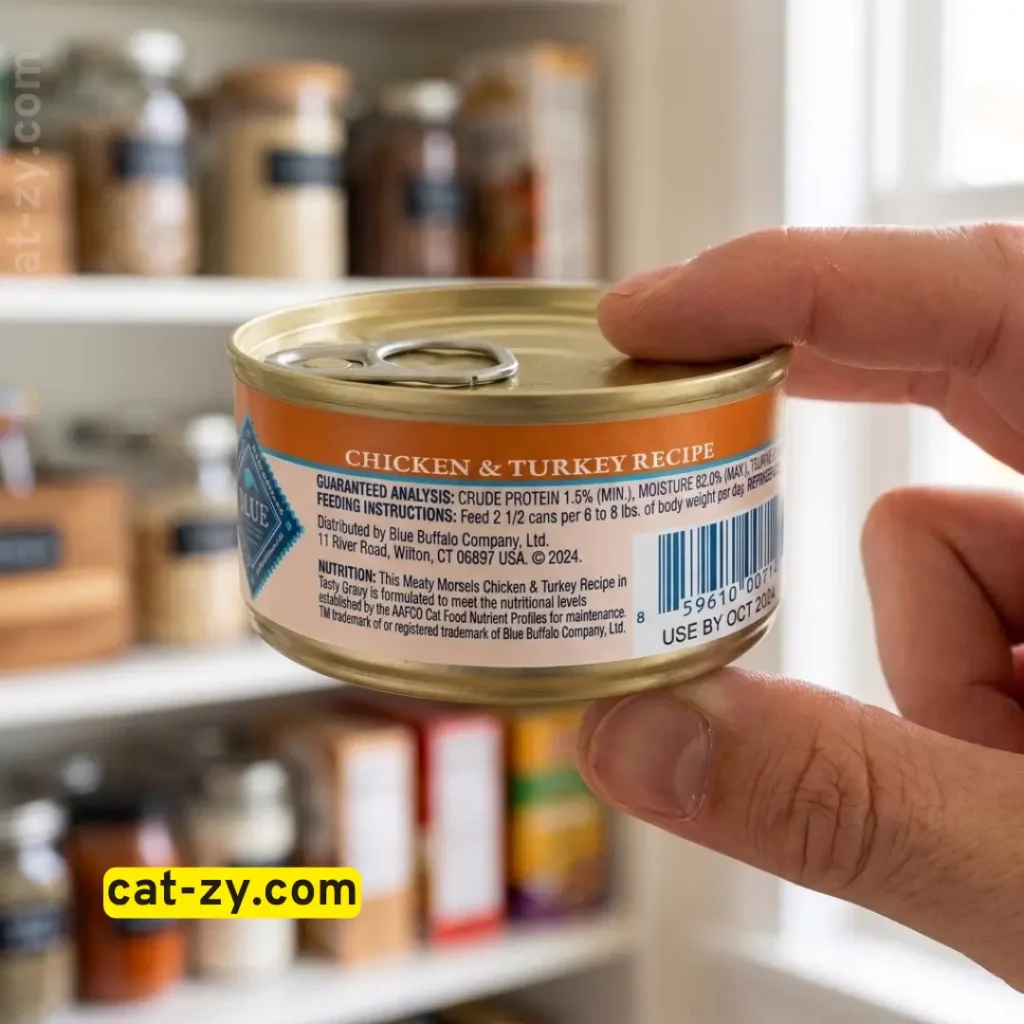
Learning to evaluate the guaranteed analysis and named meat sources on your cat food wet packaging ensures you select a truly complete and balanced recipe.
Understanding the Guaranteed Analysis
Every can lists minimum percentages for crude protein and fat, along with maximum percentages for fiber and moisture. These numbers give you a rough sketch of the nutritional profile, though they’re not the whole picture since they don’t show ingredient quality. Comparing these percentages across brands on an as fed basis can be a bit misleading too, since wet food’s high moisture content naturally dilutes the numbers compared to dry food.
Labels themselves are also in the middle of changing. AAFCO, the organization that sets pet food regulatory standards in the US, has been rolling out a labeling overhaul that manufacturers are required to fully adopt by 2029. Once in place, it replaces the old guaranteed analysis box with a clearer breakdown of calories from protein, fat, and carbohydrates, along with nutrient amounts listed per household measure like per can or per cup, making it easier to compare products without doing your own math.
Decoding the Ingredient List: High-Quality vs. Low-Quality
Named Meat Sources vs. Generic By-Products
Look for specific proteins like chicken or salmon listed near the top rather than vague terms like “meat by-products,” which don’t tell you much about the source. Naming rules on the front of the package matter too: a product called “Chicken Cat Food” has to be almost entirely chicken, while something labeled “Chicken Dinner” or “Chicken Formula” only needs to contain a quarter of that ingredient, and “with Chicken” can mean as little as a small fraction.
The Role of Grains and Carbohydrates
Some fillers are added mainly to bind texture rather than provide meaningful nutrition, so it’s worth noticing how far down the list they sit.
Essential Additives: Taurine, Vitamins, and Minerals
Taurine in particular is non-negotiable; cats can’t produce enough of it on their own, and a diet lacking it can lead to serious problems over time.
“Complete and Balanced” vs. Complementary Toppers
This is one of the most overlooked details on any can. A “complete and balanced” label means the food can serve as a cat’s entire diet, while anything labeled a topper, broth, or treat is only meant as an addition, never a meal replacement. Mixing the two up is a common feeding mistake, and it can lead to a cat missing out on essential nutrients if a broth or topper ends up replacing real meals instead of supplementing them.
How to Choose the Right Wet Food for Your Cat
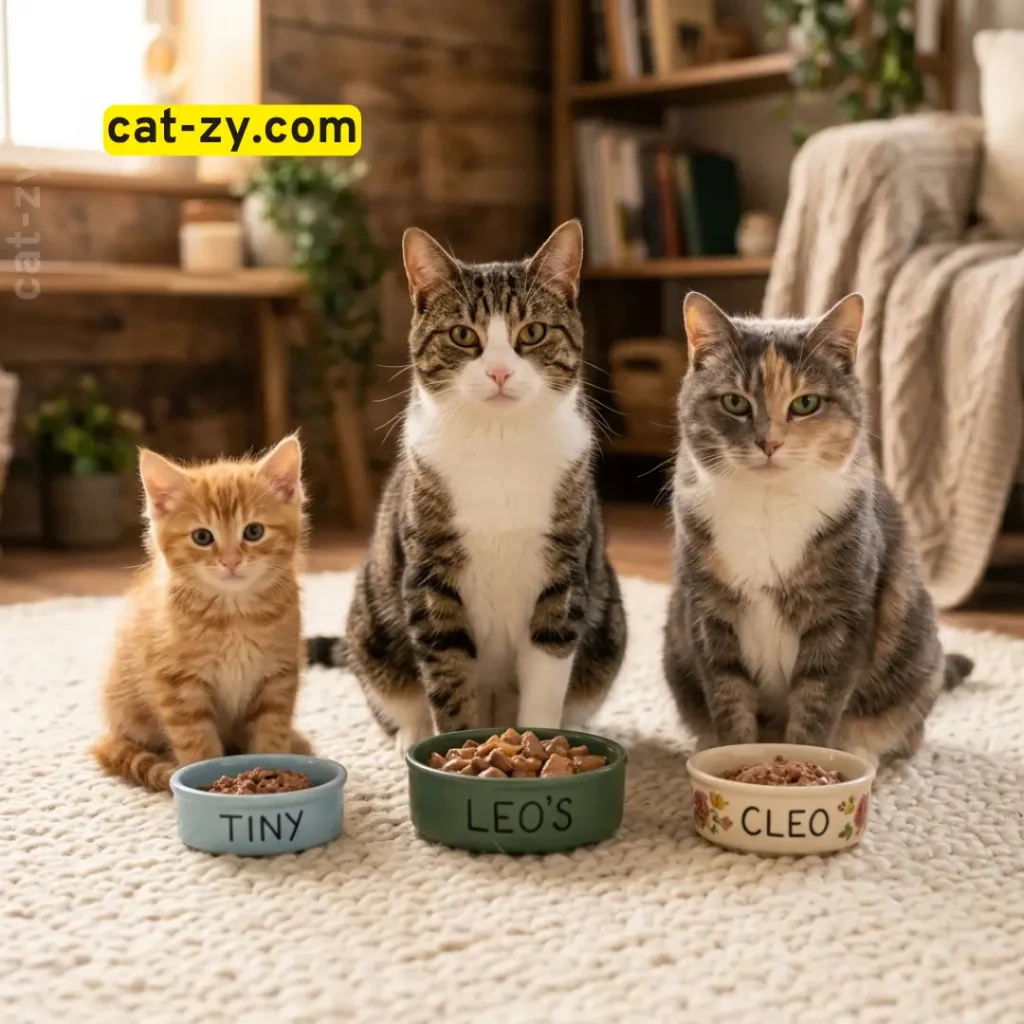
Finding the best recipe of wet cat food depends heavily on matching the meal to your pet’s exact life stage and considering specific dietary sensitivities.
Matching Food to Your Cat’s Life Stage
Kitten Formulas
Kittens burn through energy fast and need calorie dense formulas built for rapid growth. (10 Best Wet Cat Food for Kittens) covers some solid starting points if you’re shopping for a young cat.
Adult Maintenance
Adult cats generally do best with a balanced formula that maintains weight rather than pushing extra calories, since their growth has leveled off and their energy needs are more stable.
Senior Care
Older cats often benefit from formulas that are easy to digest and gentler on the kidneys, given how common kidney issues become with age. Softer textures also help here, since dental discomfort tends to become more common in senior years.
Considering Health Conditions and Special Diets
Cats dealing with allergies, digestive sensitivity, diabetes, or urinary trouble may need a specialized formula, and this is really a conversation to have with a vet rather than a guessing game at the store. Prescription and therapeutic wet foods are formulated with specific health markers in mind, so switching to one without veterinary guidance can do more harm than good, even if the packaging looks similar to an over the counter option.
For general buying guidance and a few reader favorite picks, (Cat Wet Food: 7 Tasty Picks) and (Is Fancy Feast Canned Cat Food Good?) are both good places to start.
Feeding Guidelines and Best Practices
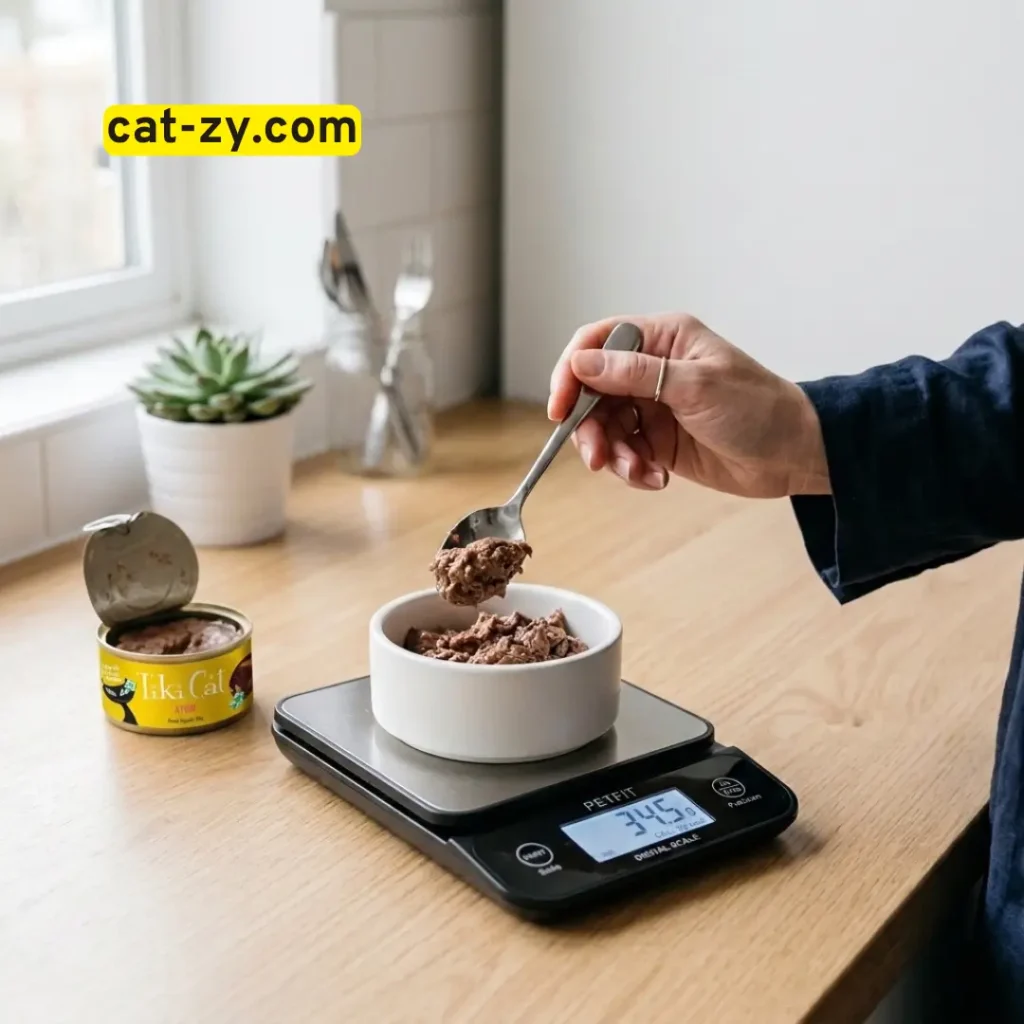
Establishing a proper routine for your cat’s wet food involves calculating daily portion sizes, keeping clean feeding schedules, and following safe refrigeration steps.
How Much Wet Food Does Your Cat Need Daily?
Portion size really comes down to calorie needs, which depend on your cat’s weight, age, and activity level. A lean, active cat needs more calories per pound than a cat who mostly naps, so there’s no single number that fits every household. The calorie count printed on the can, combined with your cat’s target weight, is a much more reliable starting point than eyeballing a portion each morning.
Feeding Frequency: How Often to Serve
Most cats do well with two to three smaller meals a day rather than one large serving, which also helps keep the food fresh in the bowl for less time. Splitting meals up also tends to suit a cat’s natural grazing instincts better than one big feeding, and it can reduce the chance of a cat overeating in a single sitting. This scheduled approach, often called meal feeding, gives you far more control over portions than free feeding, where food sits out all day, which works fine for dry kibble but isn’t really practical for anything that spoils.
Safe Handling and Storage Tips
How Long Can Wet Food Safely Stay in the Bowl?
As a general rule, uneaten wet food shouldn’t sit out for more than a few hours, and ideally no more than four, especially in a warm kitchen. If your cat tends to graze slowly, it’s worth removing the bowl after that window and offering a fresh portion later rather than leaving it out all day.
How to Store and Refrigerate Leftovers
Once opened, leftovers should go straight into the fridge in a sealed container and typically get used within a couple of days. Labeling the container with the date it was opened is a simple habit that takes the guesswork out of deciding when it’s time to toss the rest. For longer storage, leftover portions can also be frozen in an airtight container and thawed in the fridge before serving.
The Best Way to Serve Refrigerated Wet Food
Cold food straight from the fridge can be less appealing, so letting it sit at room temperature for a few minutes before serving often makes a noticeable difference. Some owners warm it slightly by adding a small amount of warm water, which can also boost the aroma and make it more appealing to a hesitant eater.
Common Wet Cat Food Myths Debunked

Separating facts from fiction regarding wet cat food makes it easy to see how this moisture-rich diet relates to weight gain, digestive changes, and ingredient quality.
Myth 1: Wet food makes cats fat.
Weight gain comes down to total calories, not the format of the food. Wet food is often lower in calories per serving than kibble, and portion control matters far more than the format itself.
Myth 2: Wet food causes diarrhea.
A sudden change in diet, not the food type itself, is usually behind digestive upset. A slow transition, mixing a little new food in with the old over several days, avoids most of these issues regardless of whether you’re switching between wet formulas or from dry to wet.
Myth 3: Premium wet food is just a marketing trick.
Ingredient quality does vary between brands, and reading the label is a better way to judge value than assuming price alone tells the story. A higher price doesn’t automatically mean better nutrition, and a lower price doesn’t automatically mean poor quality either.
Cats who enjoy variety in flavors and formats, including options like (Wet Cat Food Temptations Treats) or softer textures found in (Soft Cat Food), often show fewer feeding struggles overall than cats kept on a single formula for years.
Quick Buying Checklist And Key Takeaways
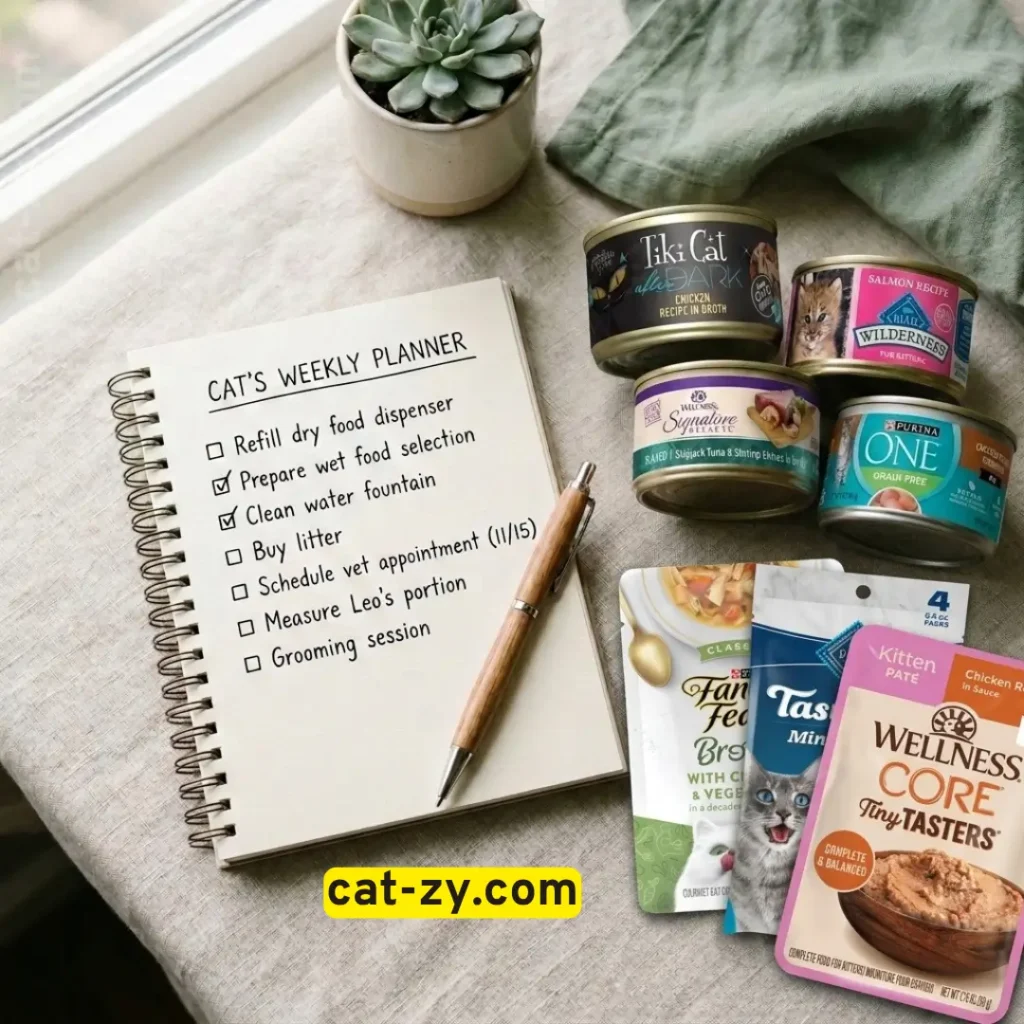
Using a simple purchasing checklist helps you filter out the marketing noise so you can buy the best cat food wet formulas with absolute confidence.
Before you toss a case of cans into your cart, run through this:
- Confirm it’s labeled “complete and balanced” if it’s meant to be a full meal
- Check that a named meat source appears near the top of the ingredient list
- Match the formula to your cat’s life stage and any health needs
- Look at the guaranteed analysis for protein and moisture levels
- Factor in your budget for daily feeding, not just the price of one can
- Check the texture matches what your cat actually enjoys eating, since even the best formula won’t help if the bowl goes untouched.
- Start with a small variety pack rather than a full case if you’re trying a new brand, since even a well-reviewed food is still a bit of trial and error until you know your cat’s preference.
Keeping this list in mind each time you shop makes it much easier to filter out marketing noise and focus on what actually matters for your cat’s health and appetite.
Conclusion: Making the Best Choice for Your Cat’s Health
At the end of the day, wet cat food is less about following a trend and more about giving your cat the moisture, protein, and palatability that support a long, comfortable life. It becomes your cat’s entire diet for some households, and just a daily topper alongside kibble for others, but in either case, the extra water content alone makes it a worthwhile investment in their health.
Getting the details right, the right texture, the right life stage formula, and safe storage habits matter just as much as the decision to feed it in the first place. A little attention to the label and a little consistency in the daily routine go a long way toward making mealtime something your cat actually looks forward to. Have a favorite brand or a funny story about your cat’s opinion on gravy versus chunks? Drop it in the comments; we’d love to hear how your cat takes their dinner.
Frequently Asked Questions About Wet Cat Food (FAQs)
Can I feed my cat only wet food?
Yes, as long as it’s labeled complete and balanced. Many cats thrive on an all wet diet, particularly those who need extra hydration.
Why does my cat lick the gravy but leave the meat chunks?
Some cats are drawn to the flavor and texture of the sauce more than the solid pieces. Trying a pâté or mousse format instead often solves this.
Can kittens eat adult wet food?
It’s best to stick with kitten specific formulas since they’re calorie dense and built to support rapid growth during those early months.
How long does opened wet food last in the fridge?
Generally, around two to three days when stored in a sealed container, though it’s always worth checking the label for specific guidance.
Why is my cat refusing to eat wet food suddenly?
This can happen for many reasons, from a change in formula or texture to an underlying health issue. If it continues for more than a day or two, a vet visit is a good idea.
How can I tell if wet food has gone bad?
Look for an off smell, a change in color, mold, or a slimy texture. If anything seems off, it’s safest to throw it out rather than risk it.



22 Comments