7 Devastating Can Cats Eat Yogurt Secrets You Must Know

The question of whether yogurt is appropriate for feline consumption frequently arises among pet caregivers. When people notice a cat showing interest in a bowl of creamy dairy, evaluating whether “can cats eat yogurt” safely becomes a natural point of curiosity. Understanding how felines process dairy requires looking past common household habits and focusing on dietary realities. This guide explores how cats interact with dairy products and what factors matter most for pet health.
Understanding your cat’s dietary needs is key. Adding yogurt to their diet can be good or bad. In this article, we’ll look at seven surprising facts about cats and yogurt that every owner should know.
Learning these facts will help you make better choices for your cat’s diet. This way, you can keep your cat healthy and happy.
Table of Contents
The Complicated Relationship Between Cats and Dairy
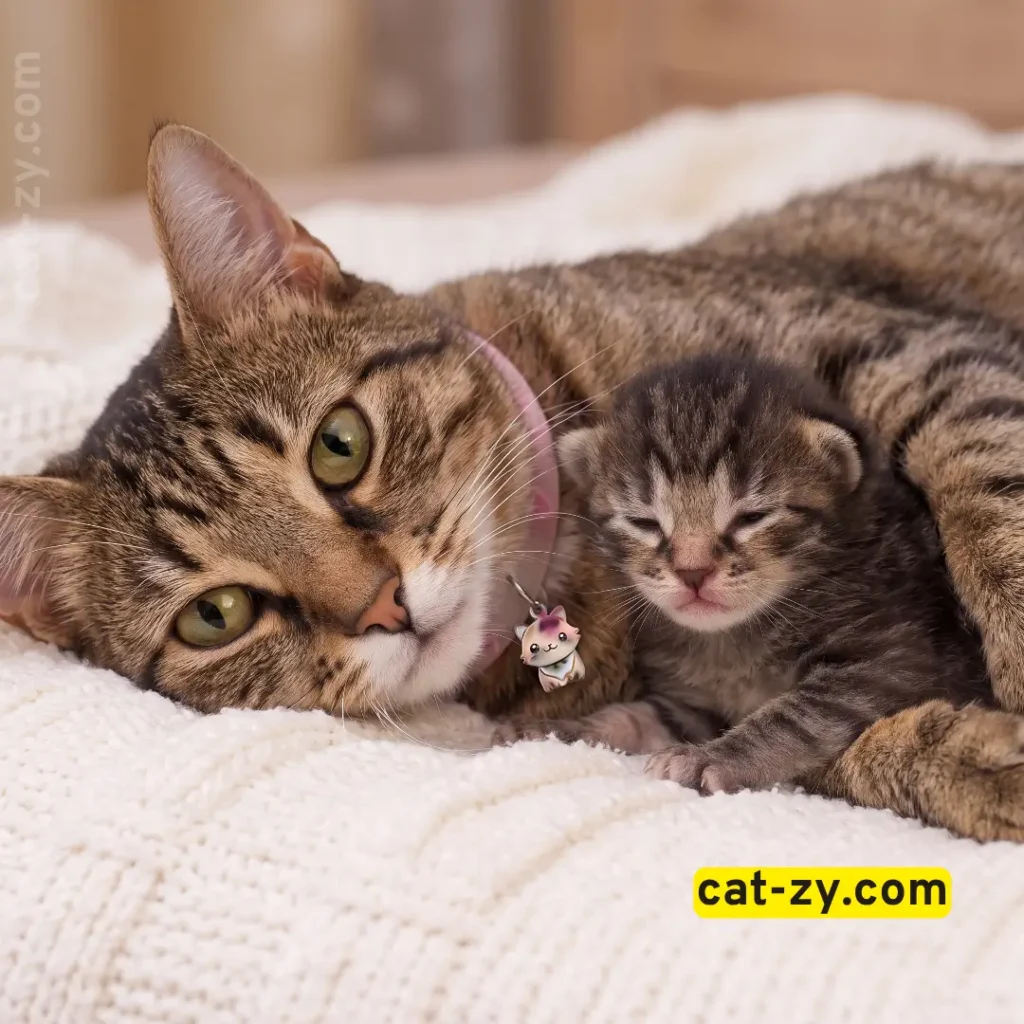
Cats’ ability to digest dairy changes as they grow. Kittens have a different digestive system from adult cats. This affects how they process lactose.
How Cats’ Digestive Systems Process Dairy
Young cats still nursing from their mother produce the enzyme lactase to break down lactose into components that are harmless to them. However, as kittens grow into adult cats and transition to solid food, their bodies produce significantly less lactase, leading to lactose intolerance.
The Evolution of Lactose Tolerance in Felines
Lactose tolerance in cats changes from kittenhood to adulthood. Kittens have lots of lactase to digest their mother’s milk.
From Kitten to Adult Cat: Changing Enzyme Production
As kittens grow into adult cats, their lactase production decreases significantly. This makes it hard for them to digest lactose. It can lead to digestive problems when they eat dairy products.
Knowing this change is key for cat owners. It helps them decide if adding dairy or dairy-based products, like yogurt, is right for their cat’s diet.
Can Cats Eat Yogurt? The Surprising Answer
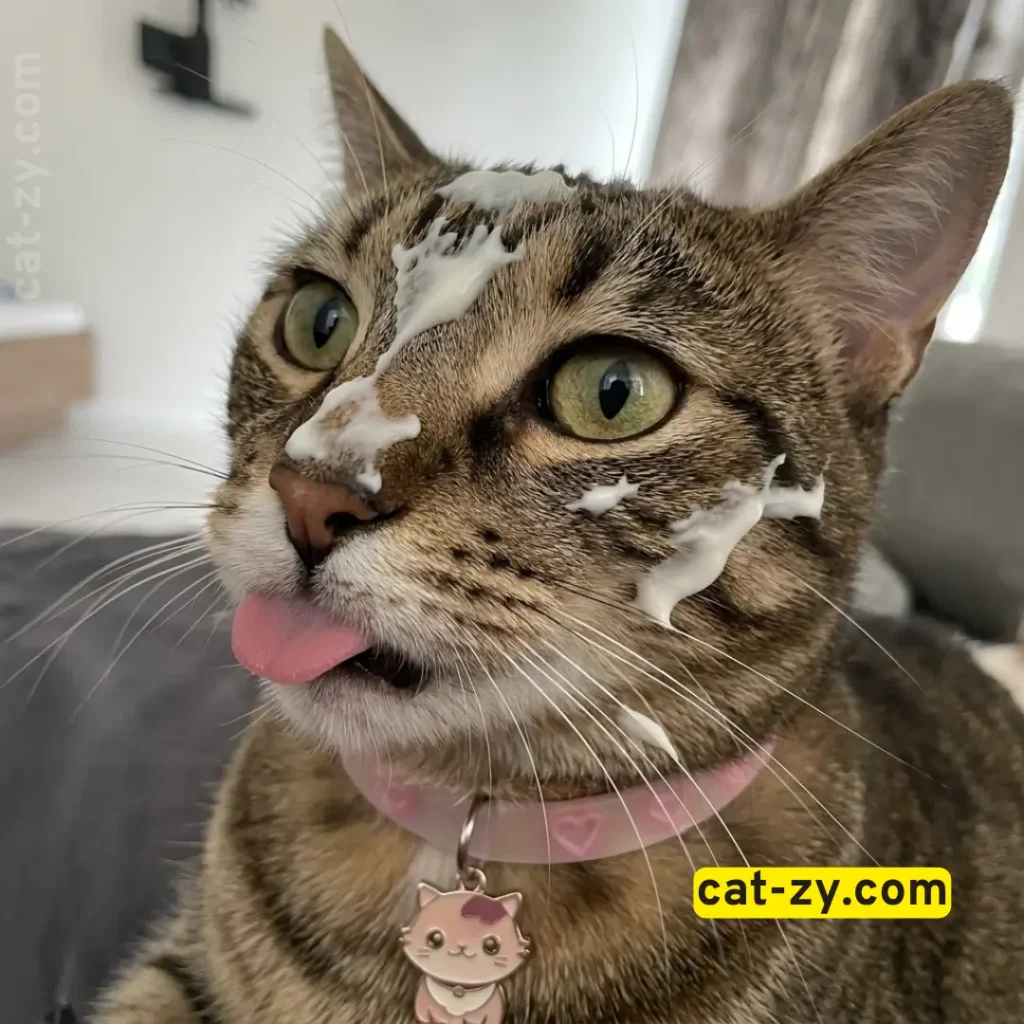
As a cat owner, you might wonder if yogurt is safe for your pet. Yogurt is different from other dairy products. It has live cultures that make it easier for cats to digest.
How Yogurt Differs from Other Dairy Products
Yogurt differs from other dairy products due to its bacterial fermentation process, which reduces the lactose content and makes it easier for cats to digest compared to regular milk.
The Fermentation Process and Its Effects on Lactose
The fermentation process reduces lactose in yogurt compared to milk. Cats can’t digest lactose because they lack the enzyme lactase. Yogurt might help cats avoid digestive issues from lactose intolerance.
Why Some Cats Can Tolerate Yogurt Better Than Milk
Some cats can handle yogurt better than milk. This is because yogurt has lower lactose levels and probiotics. These probiotics help with digestion and gut health. But start with small amounts to see how your cat reacts.
When giving yogurt to your cat, choose plain, unflavored, and unsweetened types. Flavored yogurts can have xylitol or chocolate, which are toxic to cats. Always check the ingredients first.
Shocking Fact 1: Most Adult Cats Are Lactose Intolerant
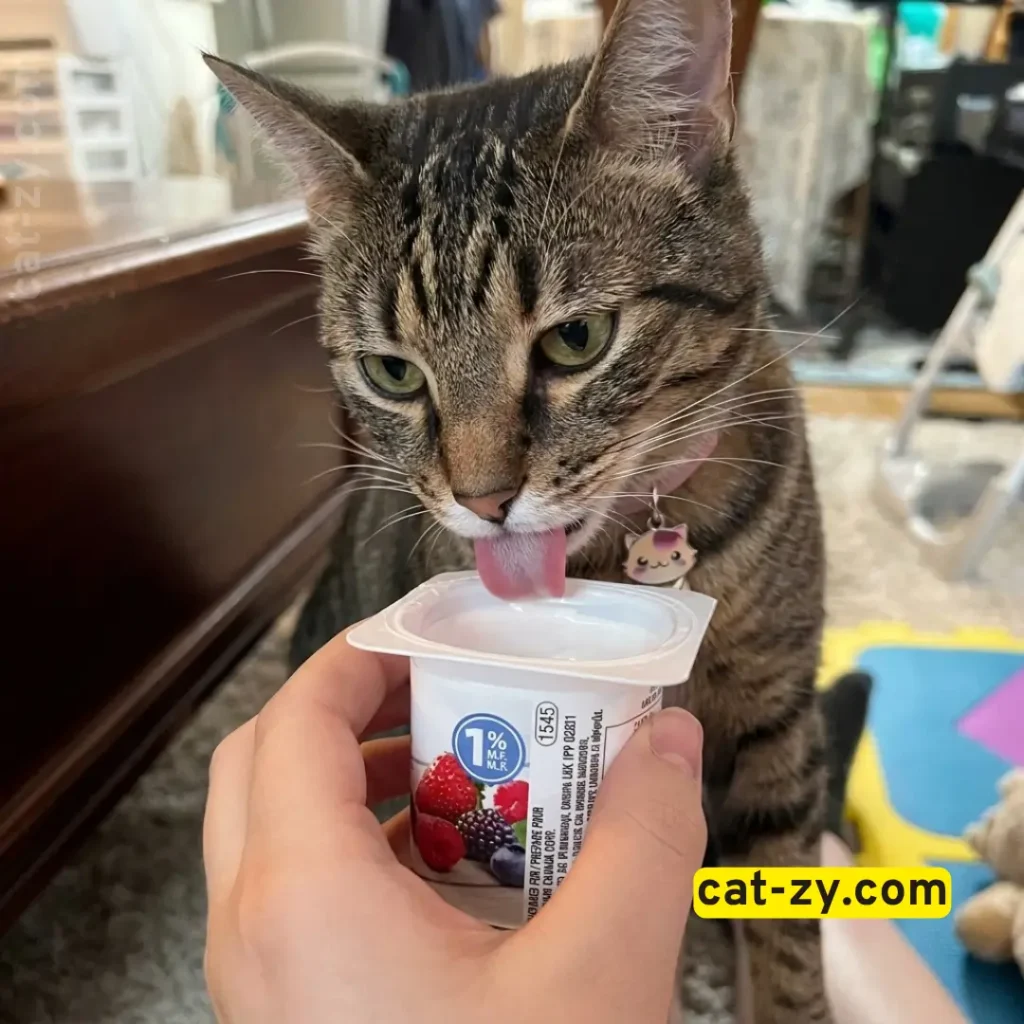
As cats get older, they often can’t digest lactose, a sugar in milk. This is because they make less lactase, the enzyme that breaks down lactose, as they age.
The Science Behind Feline Lactose Intolerance
Lactose intolerance happens when the body can’t break down lactose because it lacks lactase. In cats, this enzyme is key when they’re nursing. But its production drops a lot after they stop nursing. So, most adult cats can’t digest lactose. This inability to process lactose significantly affects whether “can cats eat yogurt?” is safe without issues.
Common Digestive Symptoms After Dairy Consumption
If your cat eats dairy and can’t digest lactose, it might show signs like diarrhea, vomiting, gas, and belly pain. These symptoms can be mild or very bad.
How to Recognize Lactose Intolerance in Your Cat
To spot lactose intolerance in your cat, watch how it acts and feels after eating dairy. If it seems off, talk to your vet. They can figure out if it’s lactose intolerance or something else.
Shocking Fact 2: Some Yogurts Contain Toxic Ingredients for Cats
As a cat owner, it’s important to know that some yogurts can harm your cat. Yogurt is good for humans, but not always for cats. The question “can cats eat yogurt?” becomes more complex when considering these harmful additives.
H3: Toxic Additives and Ingredients to Watch Out For
Toxic Additives and Ingredients to Watch Out For
Reading Labels: What to Look for Before Sharing Yogurt
To keep your cat safe, always read labels carefully. Look for:
- Artificial sweeteners like xylitol
- Chocolate or coffee flavorings
- High sugar content
By checking yogurt ingredients, you can avoid poisoning your cat. This ensures your cat stays healthy and happy.
Shocking Fact 3: Is Greek Yogurt Good for Cats? The Truth Revealed
Greek yogurt is seen as healthier for humans, but is it good for cats? Many pet owners specifically ask, “Can cats eat yogurt?” when considering Greek varieties. As a cat owner, you might wonder if this dairy product is good for your cat’s diet.
Nutritional Profile of Greek Yogurt vs. Regular Yogurt
Greek yogurt has more protein and less lactose than regular yogurt. This might make it better for cats. But the straining process concentrates the sugars and nutrients.
Higher Protein Content: Benefit or Concern?
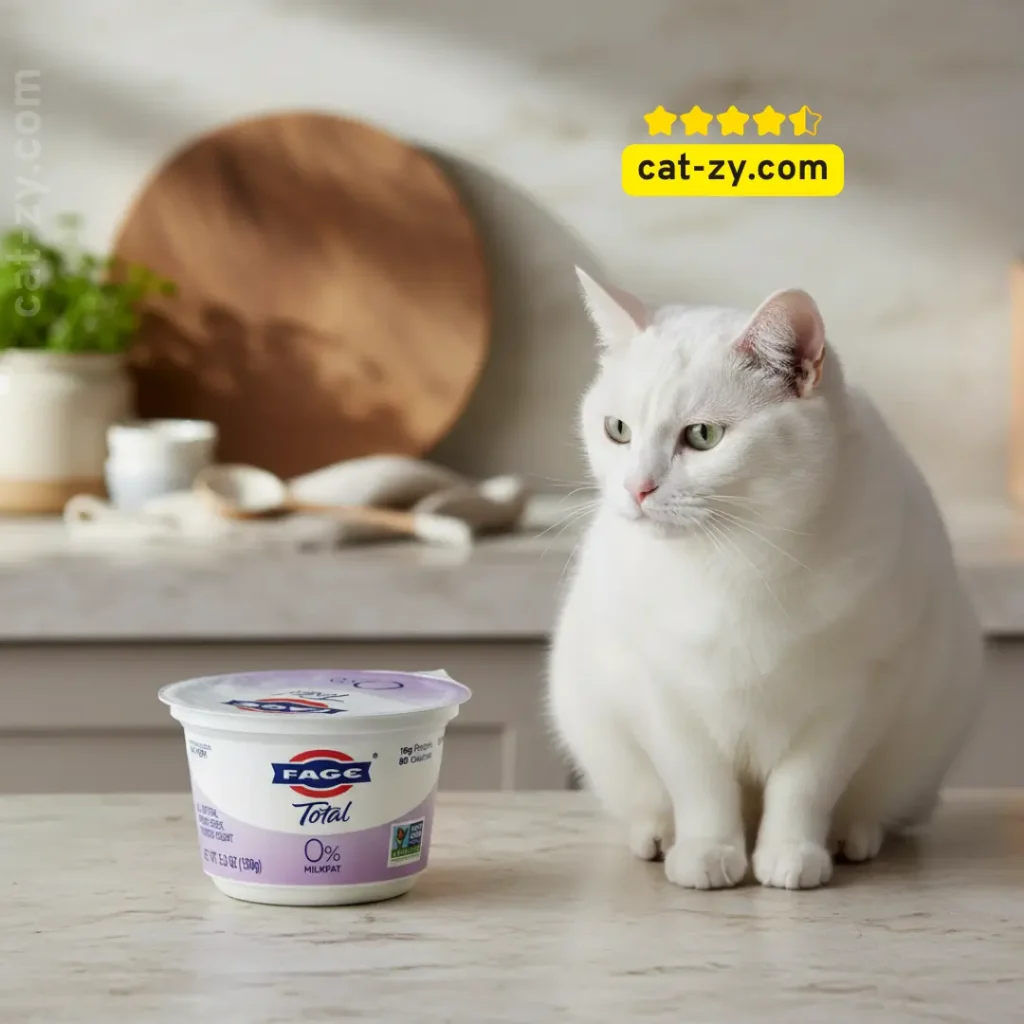
The extra protein in Greek yogurt can be good or bad for cats. Cats need protein from meat, not dairy. Too much dairy protein can upset their diet.
How to Choose the Right Greek Yogurt for Your Cat
Choose plain, unflavored, and unsweetened Greek yogurt for your cat. Avoid yogurts with toxic ingredients like xylitol or chocolate. Pick a brand with live cultures for probiotic benefits. Always check the protein content to ensure it’s right for your cat. By considering these points, you can decide if Greek yogurt is right for your cat.
- Greek yogurt has more protein and less lactose than regular yogurt.
- This might make it better for cats.
- The straining process concentrates the sugars and nutrients.
- The extra protein can be good or bad, but cats need protein from meat, not dairy.
- Too much dairy protein can upset their diet.
Shocking Fact 4: The Probiotic Paradox in Cats
The probiotic paradox in cats is about the good and bad of yogurt. Yogurt has live cultures that help digestion. But its effect on a cat’s gut health is more complicated than it seems.
Yogurt’s live cultures can be good or bad for your cat’s stomach. They can keep the gut healthy. But cats might not digest dairy well.
How Yogurt’s Live Cultures Affect Feline Gut Health
The live cultures in yogurt can change your cat’s gut microbiome. This can be good if it fights off bad bacteria. But feline gut health is very sensitive. Adding new bacteria can sometimes cause problems.
When Veterinarians Actually Recommend Yogurt
Vets might suggest yogurt for your cat’s stomach health. This is often when your cat is on antibiotics. But they do this with caution and only in certain cases.
Species-Specific Probiotics: Why Cat-Specific Products May Be Better
Species-specific probiotics, like those in cat products, are made just for cats. They are better at supporting your cat’s stomach than regular yogurt or probiotics.

If you’re thinking about yogurt or probiotics for your cat, talk to a vet first. They can guide you on the right species-specific probiotics for your pet.
Shocking Fact 5: Cats and Vanilla Yogurt: A Dangerous Combination
Vanilla yogurt might seem safe for your cat, but it’s not. When asking, Can cats eat yogurt, vanilla varieties should be completely avoided. It can harm your pet’s health. Knowing the dangers of this treat is key for cat owners.
The Hidden Ingredients in Vanilla Flavoring
Vanilla flavoring can be toxic to cats. It varies by brand and type. Some include vanillin, which is safe for humans but not cats.
Sugar Content and Its Impact on Feline Health
Vanilla yogurt has a lot of sugar, bad for cats. Cats don’t like sweet tastes and can’t digest sugar well. This can cause diarrhea and an upset stomach. It can also lead to obesity and diabetes.
Why Even “Natural” Vanilla Yogurt Isn’t Cat-Friendly
“Natural” vanilla yogurt can also be harmful. The term “natural” isn’t strictly regulated. It doesn’t mean there are no harmful additives. The sugar content is a big concern, so it’s best to avoid it.
Sharing vanilla yogurt with your cat is risky. The dangers outweigh any benefits. As a cat owner, keeping your pet’s diet safe and healthy is your responsibility.
Shocking Fact 6: Yogurt Can Help Cats on Antibiotics. But There’s a Catch
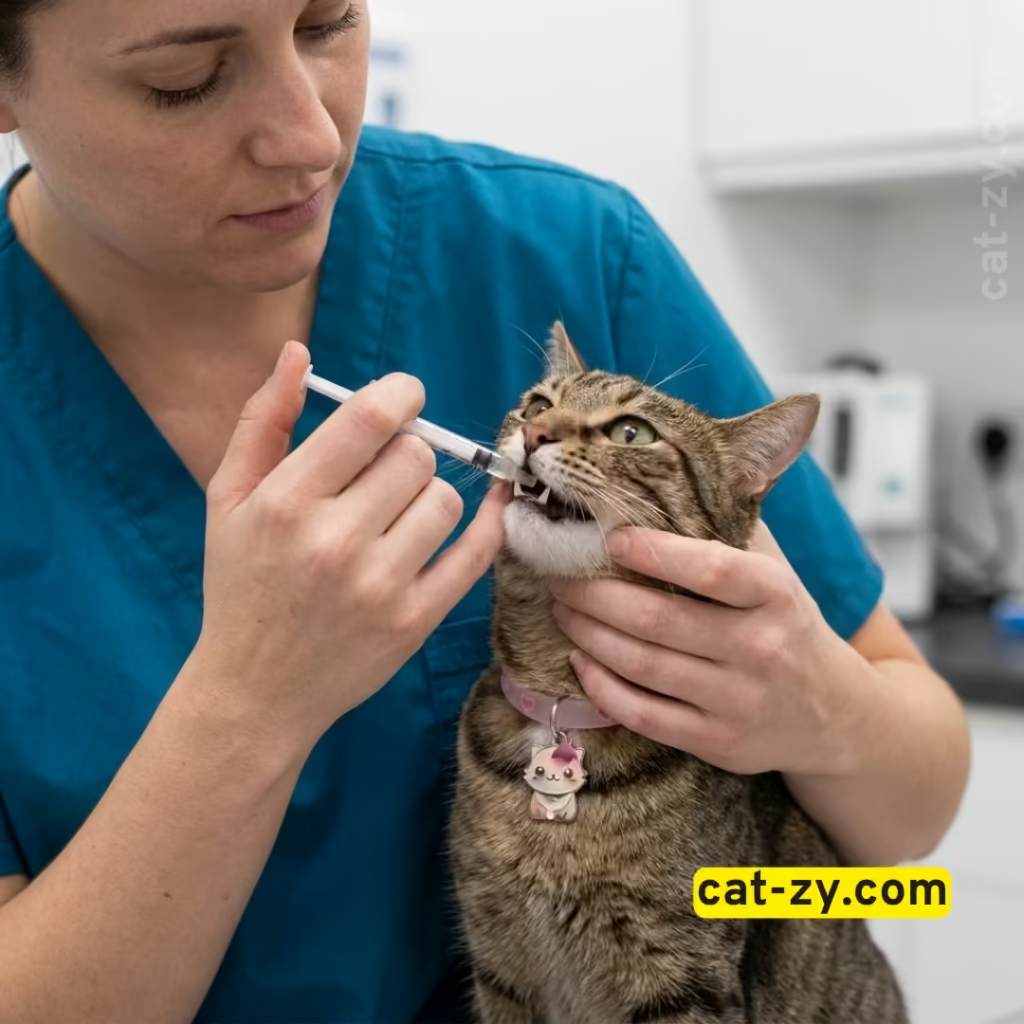
Antibiotics in cats can upset their gut balance. Yogurt might help their digestive health during this time. Antibiotics are key for fighting infections, but they can mess with gut bacteria, causing digestive problems. This raises the question: can cats eat yogurt during antibiotic treatment?
How Yogurt May Support Gut Flora During Antibiotic Treatment
Yogurt has live cultures that can replace good bacteria in your cat’s gut. When cats are on antibiotics, these good bacteria get lost. Adding yogurt to their diet might help keep their gut healthy.
The Veterinary Perspective on Yogurt as a Supplement
Vets might suggest yogurt for cats on antibiotics, but with some warnings. Not all yogurts are safe for cats. It’s vital to talk to your vet before adding yogurt to your cat’s diet.
Better Alternatives for Antibiotic Recovery Support
Yogurt is helpful, but there are better options for your cat’s recovery. Probiotic supplements made for cats can be safer and more effective. Always check with your vet to find the best support for your cat.
Shocking Fact 7: The Calcium Myth That’s Harming Cats
Many cat owners think yogurt is good for their cat’s bones because it has calcium. This misconception often influences the decision of “can cats eat yogurt?” for nutritional benefits. But this idea is not true. It ignores important facts.
Why Yogurt Isn’t an Ideal Calcium Source for Cats
Yogurt is not good for cats because it doesn’t have the right mix of nutrients. Cats need a certain calcium-to-phosphorus ratio in their food. Yogurt can’t give them this.
Cats also have different needs than humans. Their diets should be made just for them.
The Proper Calcium-to-Phosphorus Ratio in Feline Diets
The calcium-to-phosphorus ratio is key to cats’ health. They need a diet with the right balance of calcium and phosphorus. The wrong mix can cause bone diseases.
How Commercial Cat Foods Already Address Calcium Needs
Commercial cat foods are made to give cats what they need, including the right calcium-to-phosphorus ratio. These foods are balanced, so cats don’t need yogurt. Adding yogurt could mess up their diet.
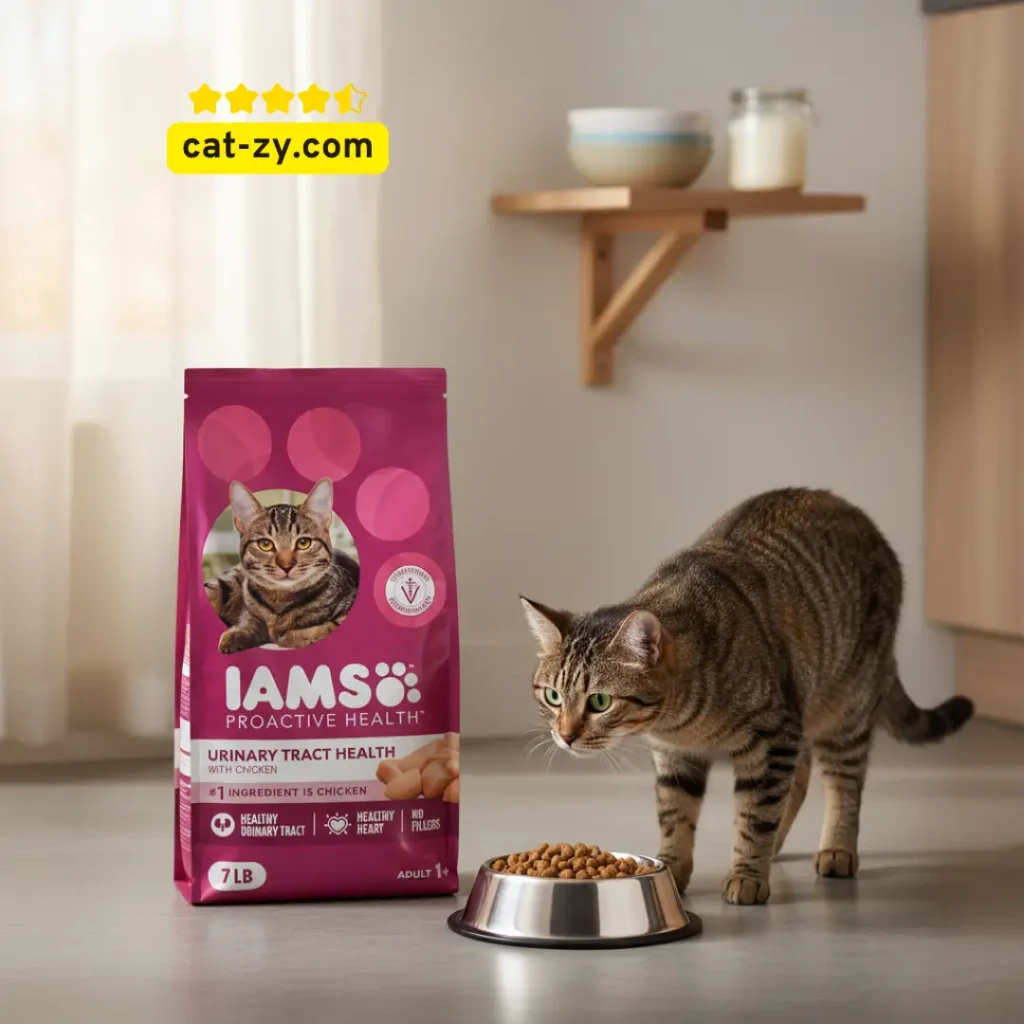
In short, yogurt is not a good source of calcium for cats. Cat owners should stick to well-balanced Commercial cat foods. This is better than risking an imbalance with yogurt.
The Safest Way to Introduce Yogurt to Your Cat’s Diet
Adding yogurt to your cat’s diet can be good if done right. It’s important to focus on safety and how well your cat can handle it. Before changing your cat’s food, learn how to introduce yogurt safely. Understanding “can cats eat yogurt” safely requires careful consideration of your pet’s individual needs.
The Step-by-Step Process for Testing Yogurt Tolerance
To see if your cat can handle yogurt, start with a small amount. Begin with a teaspoon and watch your cat for 24 hours. If they don’t show any bad signs, you can slowly give them more.
Proper Serving Sizes Based on Cat Weight and Age
The right amount of yogurt for your cat depends on their weight and age. Offering around one teaspoon of plain yogurt is a good way to test if your cat likes it and can handle it without any digestive issues.
💡 Quick Testing Tip: Start Small
When testing your cat’s reaction to plain, unsweetened yogurt, stick strictly to a tiny one-teaspoon portion and monitor their digestion over a full 24-hour period.
Warning Signs That Yogurt Isn’t Working for Your Cat
Watch for signs of intolerance like diarrhea, vomiting, or lethargy. If you see these, stop giving them yogurt right away. If the problem doesn’t go away, talk to a vet.
Better Alternatives to Yogurt for Feline Digestive Health
If you want to boost your cat’s digestive health, there are better options than yogurt. Before deciding “can cats eat yogurt”, explore these safer alternatives first. Yogurt can help sometimes, but other choices might be better for your cat’s needs.
Veterinary-Approved Probiotic Supplements for Cats

Probiotic supplements made for cats can be a great choice. They have live bacteria that help your cat’s gut. Make sure to pick ones that vets approve to ensure they’re safe for your cat.
Cat-Safe Foods That Offer Similar Benefits

Some cat-safe foods can help, as yogurt does. For example, plain, cooked pumpkin is good for digestion because of its fiber. Start with small amounts to avoid upsetting your cat’s stomach.
When to Choose Commercial Products Over Human Foods
Choosing between probiotic supplements and human foods depends on your cat’s needs. Commercial products are made for cats and might be safer. But some human foods can also be good if used correctly.
Real Experience: Why Webbox Lick-E-Lix Changed How I Handle My Cats
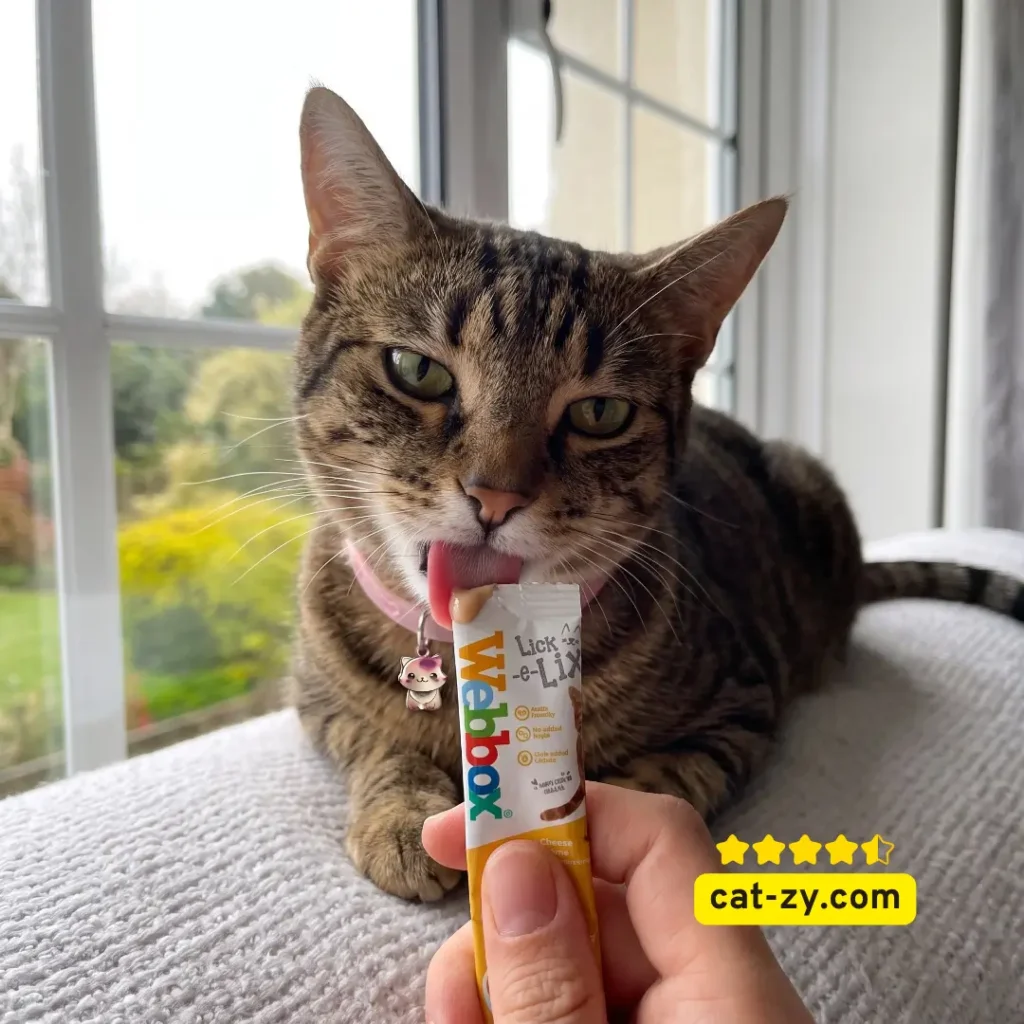
When exploring whether “can cats eat yogurt?” many pet owners look for safe and practical alternatives that provide the creamy texture cats love without the risks of human dairy products. My personal experience with the Webbox Lick-E-Lix line completely transformed how I handle daily treats and medication routines with my own cats.
Both of my cats go completely wild for these tubes. They come running the exact moment they hear me pulling a sachet from the box. Beyond acting as an exciting daily treat, I use them for dual purposes. Because both of my cats require daily liquid medication alongside homeopathic liquid anxiety and tummy drops a few times a week, masking these supplements used to be a major struggle. I can never get meds into my cats using a syringe, so these lix tubes save the day.
I mix the required drops directly into the creamy puree. They do not balk at all, and they literally lick the little bowl clean before hoping for more. Since I manage two cats daily and monitor their weight closely, I split a single tube between them, giving each cat half a portion. They have tried every flavor and love them all, though the varieties containing liver have a distinct aroma that is a bit intense for the human nose. Overall, this product serves as an invaluable solution for anyone needing a reliable reward or an effective way to administer necessary liquids to a feline companion.
Conclusion: Making the Best Decision About Yogurt for Your Cat
As a cat owner, you now know how to decide if yogurt is good for your cat. You understand the complex relationship between cats and dairy. This knowledge helps you see the risks and benefits of yogurt for your cat.
Remember, every cat is unique. What’s good for one cat might not be for another. Consider your cat’s age, health, and diet when deciding about yogurt. Think about the benefits and risks for your cat.
Always talk to your vet before giving yogurt to your cat. This ensures you’re making the best choice for their health. By doing this, you can give your cat a safe and healthy treat. You’ll know you’re making the right choice for your furry friend.
FAQ
Can cats eat yogurt?
Yogurt is not bad for cats, but it’s not needed in their diet. Some cats can handle yogurt, but many can’t because they’re lactose intolerant.
Is Greek yogurt good for cats?
Greek yogurt has more protein than regular yogurt. But make sure it doesn’t have xylitol or other harmful additives. Some cats might get benefits from its probiotics, but always talk to a vet first.
Can cats have vanilla yogurt?
Vanilla yogurt is not good for cats because of its sugar. Also, vanilla flavoring can be harmful to them.
Can cats have yogurt as a probiotic supplement?
Yogurt can be a probiotic for cats, but only plain, unflavored, and unsweetened types. But probiotics made for cats might work better.
How much yogurt can I give my cat?
Start with a small amount of yogurt, like 1/4 teaspoon for every 10 pounds of your cat’s weight. Watch how they react. Always ask a vet for advice.
What potential dangers should you know about when offering yogurt to cats?
Giving yogurt to cats can cause lactose intolerance, upset stomach, and even poisoning from xylitol or chocolate. Always check the ingredients and talk to a vet before giving yogurt to your cat.
Are there better alternatives to yogurt for my cat’s digestive health?
Yes, there are vet-approved probiotics and safe foods for cats. These might be better and safer than yogurt for their digestive health.