
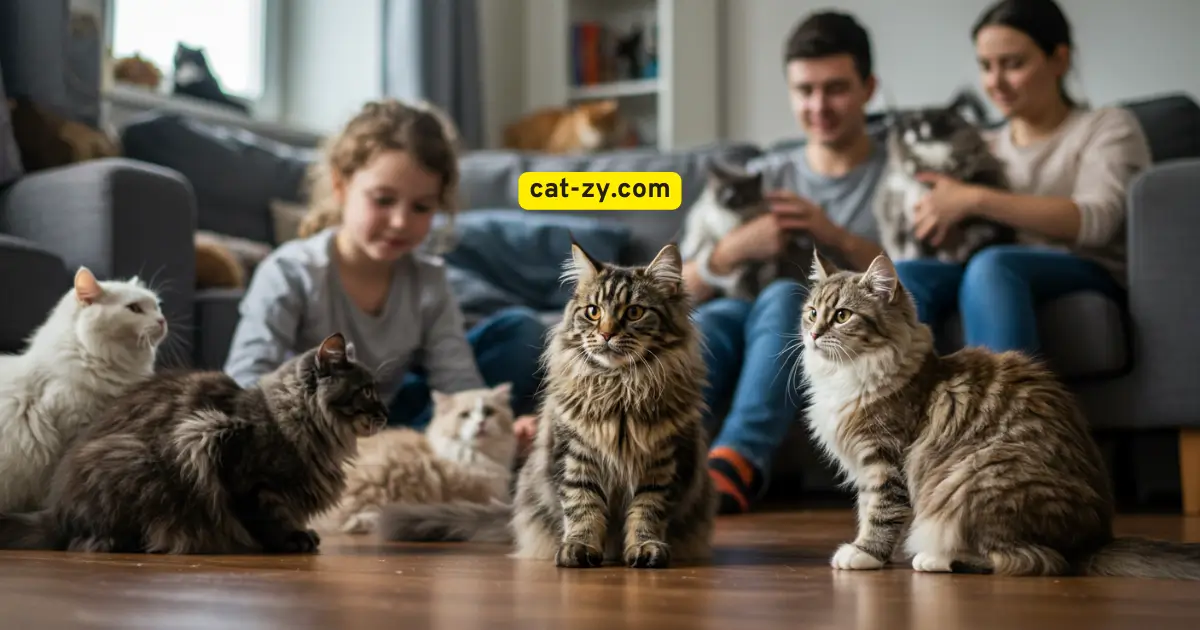
7 Essential Domestic Cat Breeds Families Love Most

Domestic cats have been our companions for thousands of years, evolving from wild hunters to beloved household pets. Today, there are dozens of recognized domestic cat breeds, each with unique characteristics, personalities, and care requirements. Whether you’re looking for a playful companion, a lap cat, or a low-maintenance friend, understanding the different domestic cat breeds can help you find your perfect feline match.
This article will show you the seven best cat breeds for families. We’ll look at their special traits, temperaments, and characteristics. This will help you choose the perfect pet for your home.
Table of Contents
What Makes a Cat Breed Family-Friendly
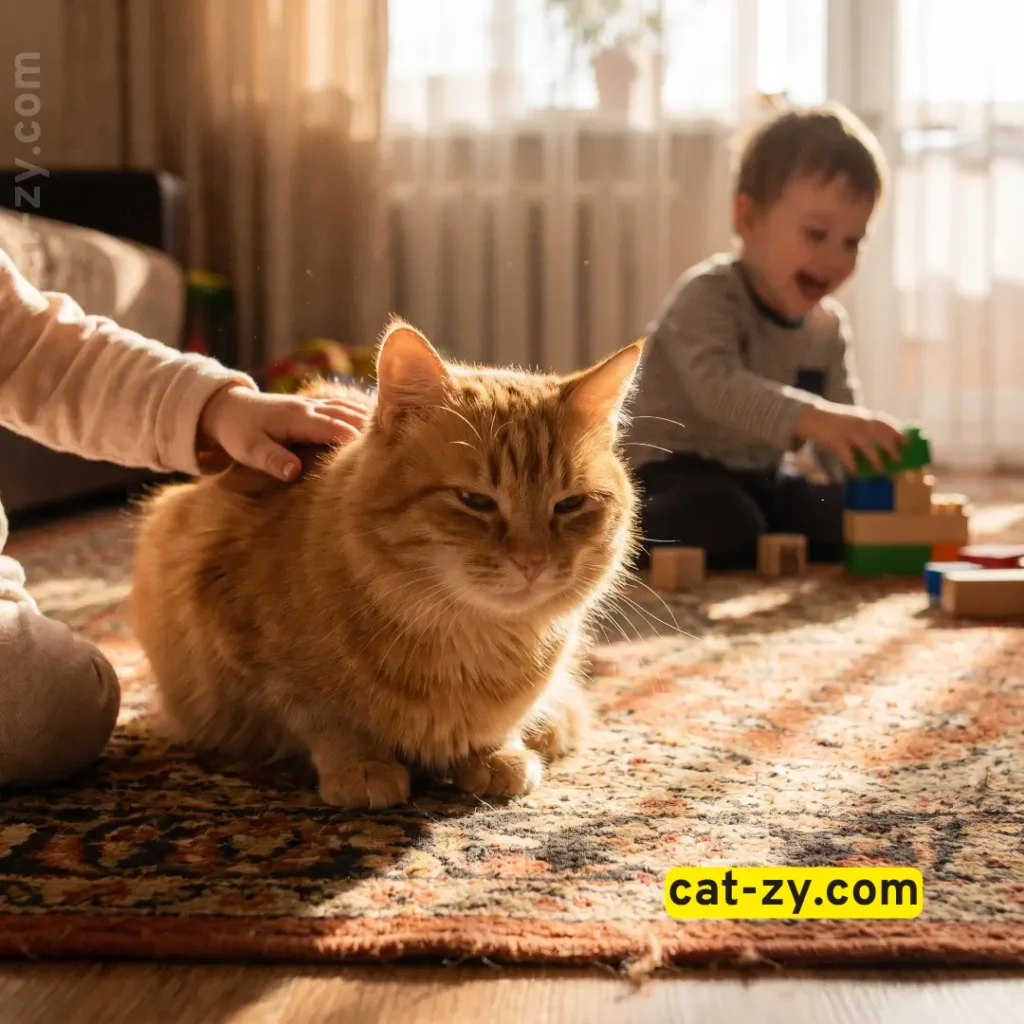
Thinking about getting a cat? You’ll want to pick a domesticated feline breed that fits your family. A good family cat is loving, playful, and patient. They should handle kids’ noise and energy well.
Key Traits to Look For
When choosing a cat breed, look for key traits like a calm and playful nature. They should also be adaptable to your home’s vibe. Some recognized cat breeds have these qualities, making them great family pets.
Matching Cat Personalities to Your Family Dynamic
Finding the right domestic cat breed for your family is key. For example, if you have little ones, a gentle domestic cat breed is best. If your home is lively, consider domestic cat breeds that are both energetic and loving.
1. Maine Coon: The Gentle Giants
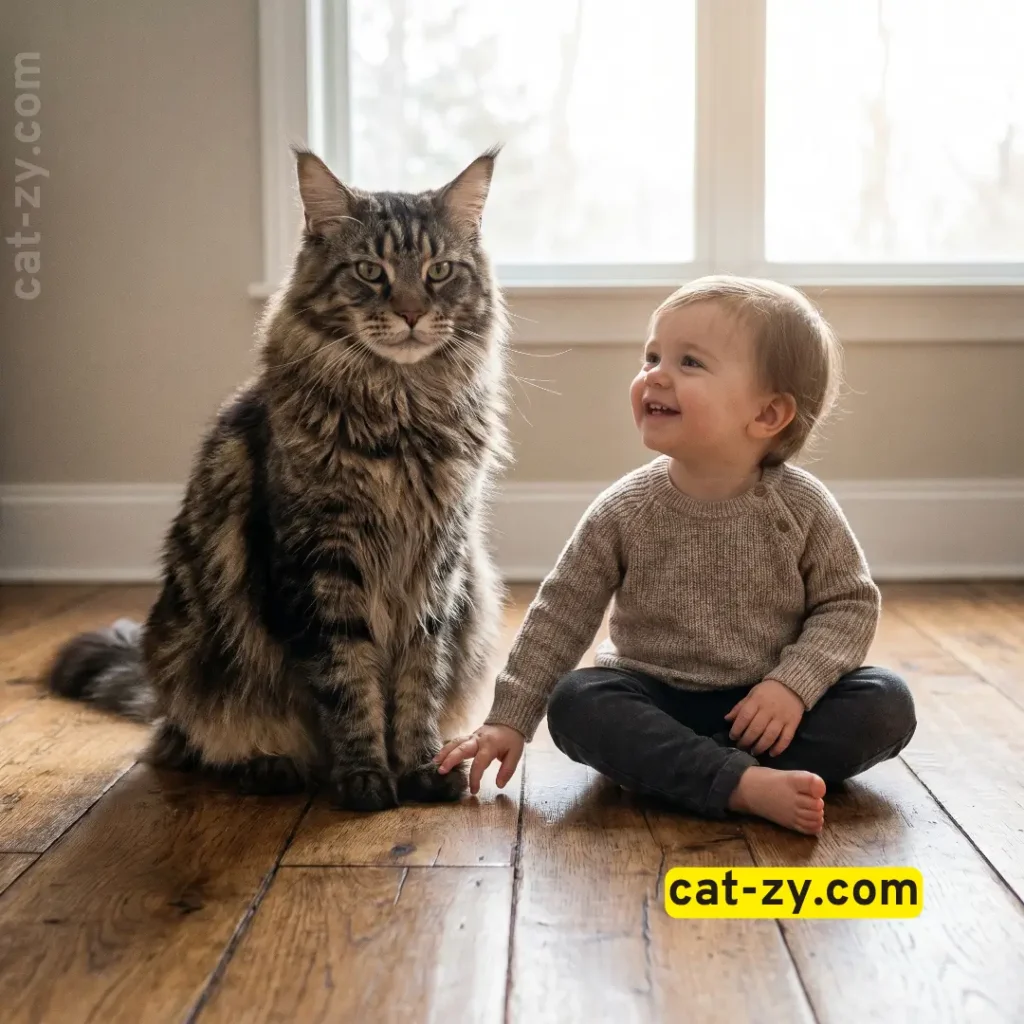
The Maine Coon is a well-known domestic cat variation. It’s famous for being big and friendly. This makes it perfect for families.
Friendly and Patient Temperament
Maine Coons are known for being friendly and patient. They get along well with kids and are calm. This helps reduce stress at home.
Physical Traits and Size Considerations
Maine Coons are big and need room to move. They have a thick coat that needs grooming. Their size might seem scary, but they’re really gentle.
How Maine Coons Interact with Children and Pets
Maine Coons are very social and friendly. They are great companions for both children and other pets. Their patient nature helps them handle kids’ energy, and they make great friends for other pets.
2. Ragdoll: The Relaxed Lap Cats
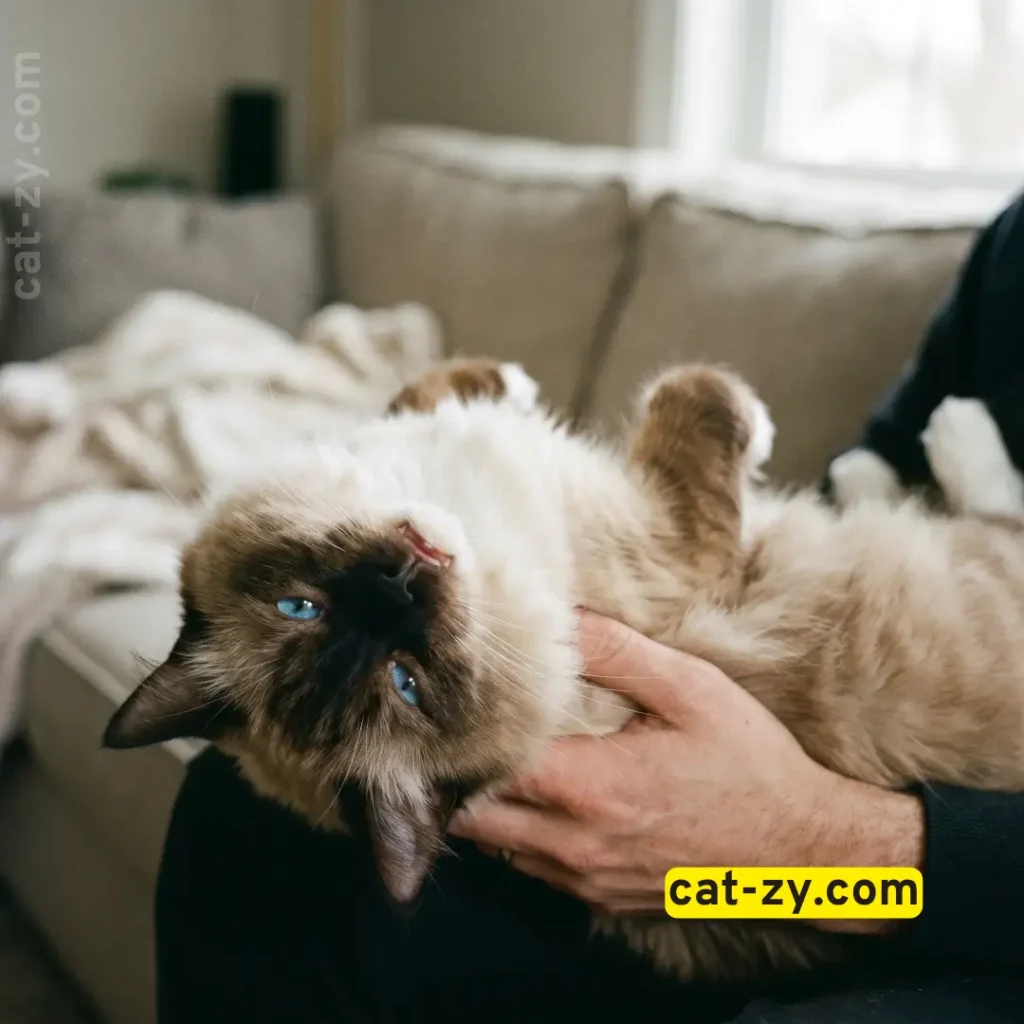
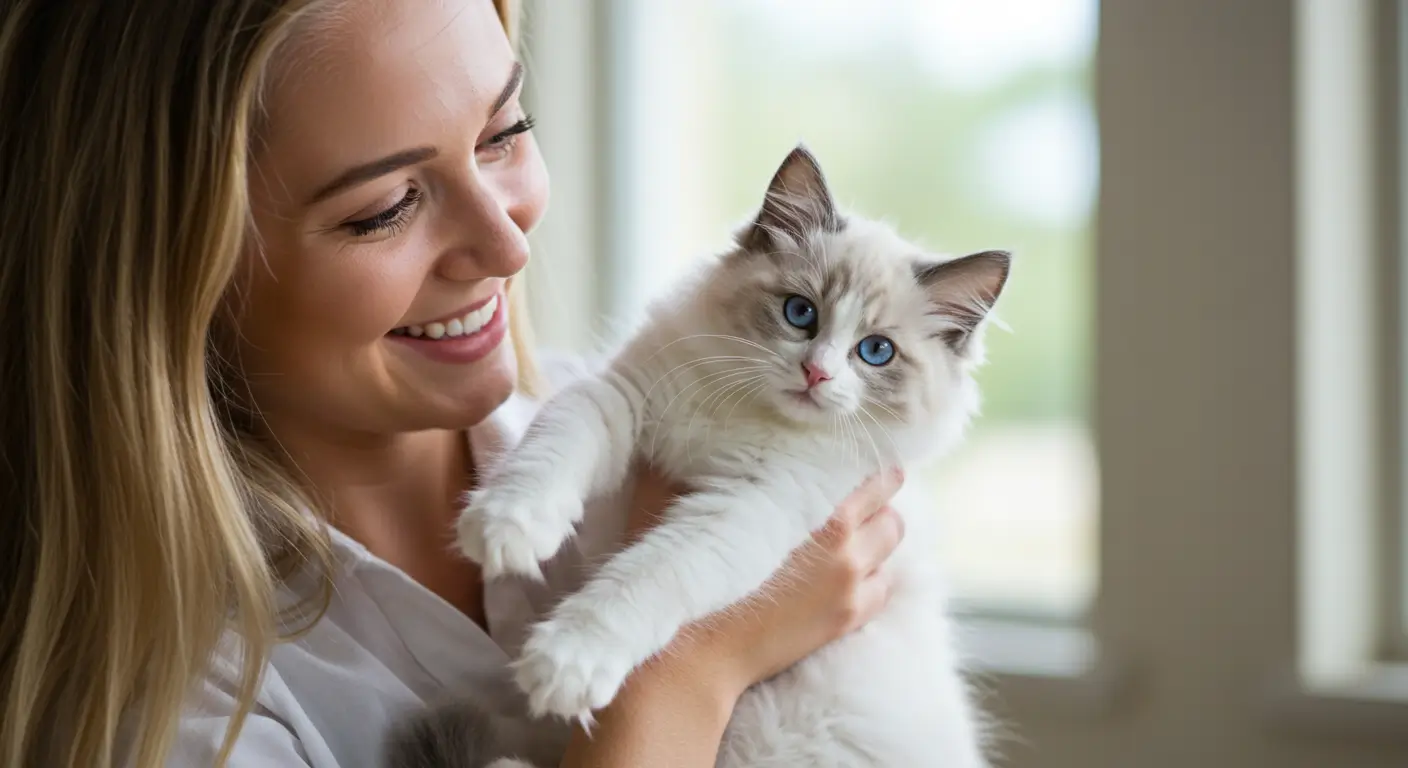
Ragdolls are a different type of house cat known for their soft, silky coats. They are also loved for their affectionate nature. This makes them one of the popular cat breeds that bond strongly with their families.
Docile and Affectionate Nature
Ragdolls are famous for being docile and affectionate. They enjoy the company of people and frequently crave attention. This is why they are called “Ragdolls” because they go limp when picked up.
Distinctive Appearance and Coat Care
The Ragdoll’s distinctive appearance includes a soft, silky coat. It comes in many colors and patterns. To keep their coat looking good, Ragdolls need regular grooming. This also helps them bond with their owners.
Why Ragdolls Excel in Family Environments
Ragdolls excel in family environments because of their calm and loving nature. They get along well with children and other pets. This makes them a great choice for families, fitting into different household dynamics easily.
3. British Shorthair: The Easygoing Companions
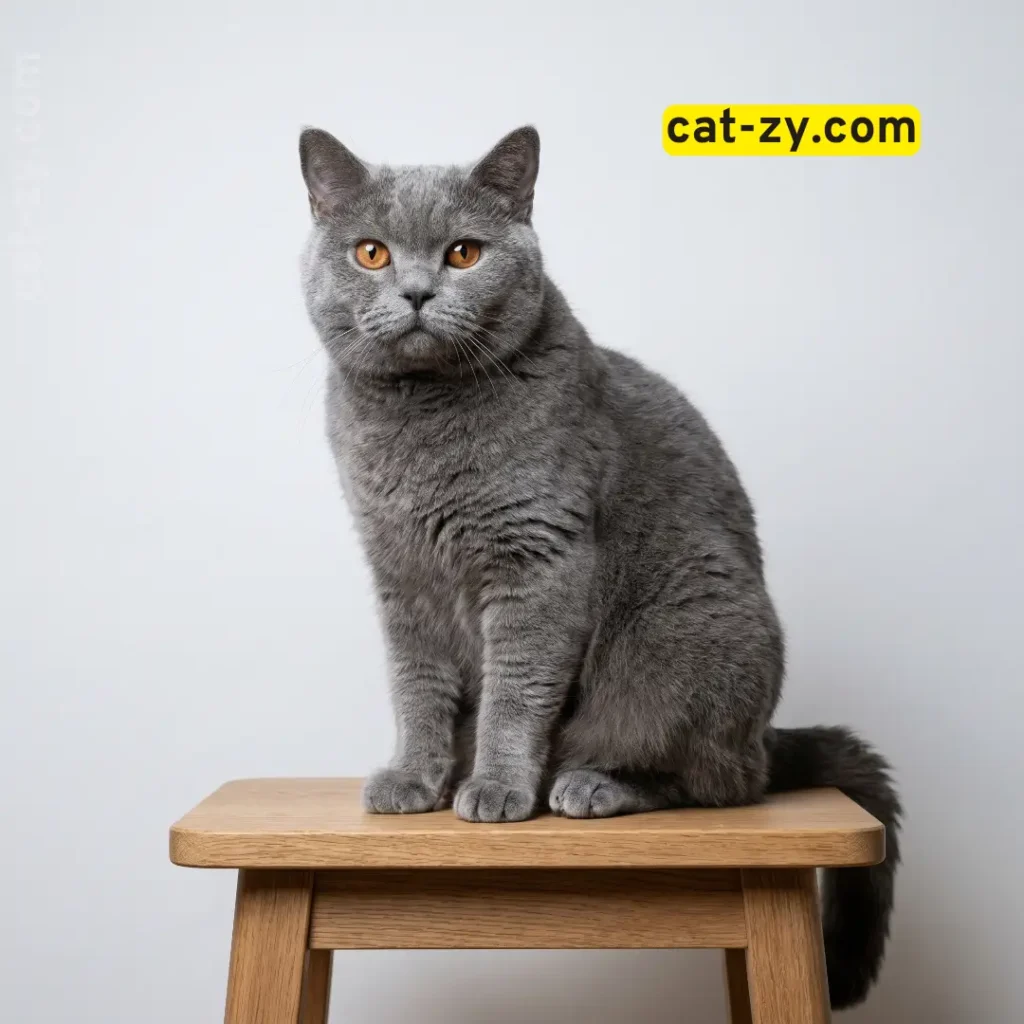
British Shorthairs are known for being easygoing. They have a calm and laid-back nature. This makes them perfect for families with different personalities.
Calm and Independent Personality
British Shorthairs are calm and independent. They require less attention compared to many other cat breeds. Their independent nature lets them play alone, but they love spending time with their owners.
Sturdy Build and Low-Maintenance Coat
They have a sturdy build and a low-maintenance coat. This means they need little grooming. Their coat is simple to care for with just occasional brushing.
Adaptability to Family Life and Routines
British Shorthairs adapt well to family life. They fit into different household situations easily. They are good with children. Their easy nature makes them a great choice for families looking for a domestic cat breed.
4. Popular Domestic Cat Breeds: Siamese
Siamese cats are famous for their loud voices and love for people. They are a unique cat breed known for their beautiful looks and friendly nature.
Vocal and Highly Social Nature
Siamese cats are smart and loving. They love to talk and be around people. They need someone to spend time with them because they get lonely when left alone.
Distinctive Features and Energy Levels

Siamese cats have short, fine fur in different colors and bright blue eyes. They have lots of energy and need to play and exercise to stay happy. Playing with them or giving them puzzle toys helps keep them busy.
Bonding with Family Members of All Ages
Siamese cats are full of energy, but love their families very much. They get along well with kids if they are raised right. They are great friends for families because they love to play and be part of the action.
5. American Shorthair: The Classic Family Cats
The American Shorthair is a well-known domestic cat variation. It’s loved for its balanced nature. This breed has been a top pick for families for many years, thanks to its strong health and different coat patterns.
Balanced Temperament and Playfulness
American Shorthairs are known for their even-tempered nature. They’re great for families with kids. They’re playful but not too demanding, and they love to be around people.
Robust Health and Varied Coat Patterns
One big plus of the American Shorthair is its robust health. With the right care, they can live into their teens. Their coats come in many patterns and colors, making them look great.
Historical Popularity as Family Companions
American Shorthairs have been family pets for a long time. They go back to the early European settlers. Their ability to fit into different homes has made them a timeless favorite among cat lovers.
In short, the American Shorthair is a versatile and loving breed. They fit well into many family settings. Their balanced nature, strong health, and long history make them a perfect choice for a loyal friend.
6. Persian: The Calm and Gentle Felines
If you’re searching for a cat that brings peace, the Persian is perfect. They are known for being quiet and gentle. This makes them great for adding calm to your home.
Quiet and Peaceful Demeanor
Persian cats are known for their calm demeanor. They fit well in families who want a quiet home. They don’t ask for much and enjoy just being around you.
Luxurious Coat and Grooming Needs

The Persian’s luxurious coat is a standout feature. It needs regular grooming to avoid mats and tangles. Daily brushing is essential to keep their coat looking its best.
Creating Serene Family Environments
Persian cats are ideal for families wanting a calm home. These domestic cat breeds are not very active, so they fit well in many living spaces. They need a cozy spot to rest. By getting a Persian, you gain a companion that adds to your home’s tranquility.
7. Abyssinian: The Playful and Active Companions
The Abyssinian cat breed is full of energy and loves to play. They are perfect for families who enjoy active lifestyles. As a popular cat breed, Abyssinians are known for their fun and lively personalities.
Intelligent and Curious Personality
Abyssinians are smart and always curious. They love to explore and need things to do to stay happy. Their intelligent nature makes them great friends who always keep you entertained.
Athletic Build and Distinctive Ticked Coat
Abyssinians have a sleek, athletic body and a distinctive ticked coat. Their coat needs regular grooming to stay healthy and look good. The ticked pattern makes their fur look dynamic and interesting.
Engaging with Children Through Interactive Play
Abyssinians are great with kids because they love to play. Their energy and smarts make them excellent at learning tricks. Playing with your Abyssinian will make your bond stronger and keep them happy.
Nutritional Needs Vary by Cat Breed: A Practical Guide
Understanding dietary requirements across different domestic cat breeds helps ensure your feline companion receives appropriate nutrition. Just as breeds vary in size and energy levels, their feeding needs differ significantly, making breed-specific nutrition important for long-term well-being.
Size Matters: Large vs Small Breed Feeding Guidelines
The most obvious nutritional distinction involves size differences among domestic cat breeds. Large breeds like the Maine Coon require substantially more food than smaller breeds. A Maine Coon may consume nearly double the daily food amount compared to a petite cat, making portion control and feeding frequency essential considerations.
Conversely, small and compact breeds consume less volume but need careful measurement to prevent overfeeding. British Shorthairs and other medium-sized domestic cat breeds typically fall between these extremes, requiring moderate portion adjustments.
Activity Level and Caloric Demands
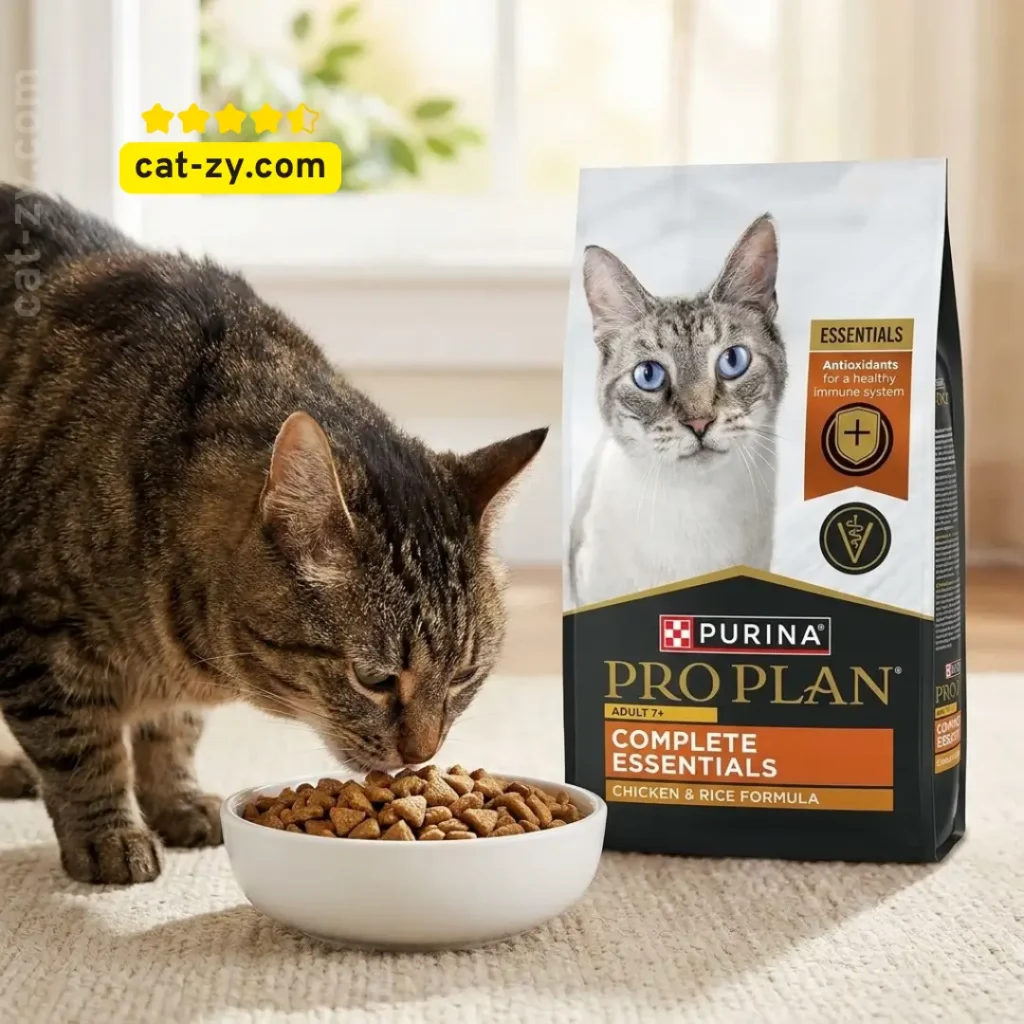
Beyond size, activity level dramatically affects a cat’s breed nutrition requirements. Highly active breeds like the Abyssinian and Siamese burn considerable energy through play and exploration, demanding higher-calorie diets to maintain their vitality. These energetic cats benefit from protein-rich foods that support their constant movement.
Conversely, calm breeds such as the Persian and British Shorthair expend less energy, requiring fewer calories to prevent unnecessary weight gain. Their lifestyle naturally supports lower feeding amounts, though nutritional quality remains paramount.
Choosing Between Wet and Dry Food
Domestic cat breeds can thrive on either wet food, dry kibble, or a combination. Wet food provides hydration benefits, particularly valuable for breeds less inclined to drink adequate water. Dry food offers convenience and cost-effectiveness while supporting dental health through chewing action.
Many owners find a mixed approach—combining quality dry food with occasional wet meals—suits their cats’ preferences and lifestyle. The choice depends on your schedule, budget, and your specific cat’s eating habits.
Age-Related Nutritional Adjustments
Kittens of all domestic cat breeds require different nutrition than adults. Young cats need calories and nutrients supporting growth and development, typically eating more frequently, in smaller meals. As cats mature, feeding patterns adjust accordingly, and senior cats may require modified nutrition based on their changing activity and metabolism.
Practical Feeding Recommendations
When selecting a diet for large breed cats, ensure portions match their size and activity level. Monitor your cat’s body condition and adjust portions as needed. Similarly, feeding guidelines for domestic cats recommend consulting breed-specific information when making dietary choices.
Quality matters regardless of breed. Nutritionally complete foods support all domestic cat breeds effectively. Most reputable cat food manufacturers provide breed-size guidelines on packaging, helping owners make informed decisions about appropriate portions and feeding frequency.
Comparing Domestic Cat Breeds: Finding Your Perfect Match
Which Domestic Cat Breed Fits Your Lifestyle?
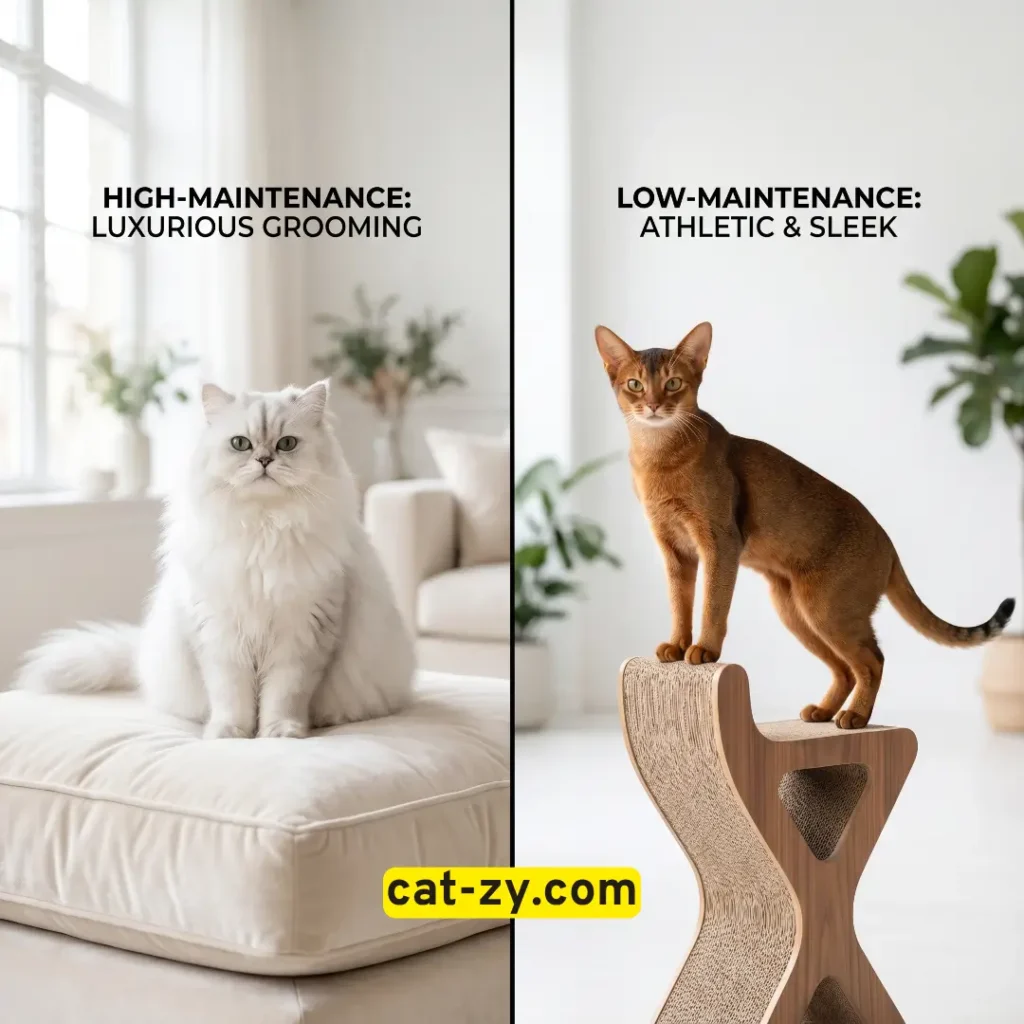
Selecting the right domestic cat breed depends on understanding how different breeds align with your living situation and daily routine. Not all cats have the same energy levels, grooming needs, or social requirements. Making a thoughtful comparison helps ensure a harmonious relationship between you and your feline companion.
Activity Level and Space Requirements
When comparing domestic cat breeds, energy levels should be a primary consideration. Active breeds like the Abyssinian thrive in homes with plenty of space and interactive engagement. These cats constantly seek stimulation through play and exploration, making them ideal for families who enjoy an energetic household.
In contrast, the Persian and British Shorthair are naturally calmer, preferring quiet environments with comfortable resting spots. They adapt well to apartment living and smaller spaces, requiring less active engagement from their owners.
Grooming Demands and Coat Maintenance
Among domestic cat breeds, grooming requirements vary significantly. The Maine Coon and Persian feature luxurious, long coats demanding daily brushing to prevent matting and maintain their appearance. These breeds suit families with time and commitment for regular grooming routines.
The American Shorthair and British Shorthair require minimal coat care, making them excellent choices for busy households. Occasional brushing maintains their health without the extensive maintenance of long-haired breeds.
Social Needs and Family Interaction
Different domestic cat breeds have distinct social requirements. Ragdolls and Siamese cats crave constant human attention and companionship, often following their owners throughout the home. These breeds flourish in families where someone is frequently present, as isolation causes them stress.
The British Shorthair and American Shorthair are independently minded, contentedly entertaining themselves while still valuing their owners’ presence. They balance independence with affection, suiting families with varying schedules.
Personality Comparison at a Glance
The Maine Coon vs Ragdoll comparison illustrates how two large domestic cat breeds serve different needs. Maine Coons are patient, social cats who adapt to various family dynamics while maintaining independence. Ragdolls are extremely docile and people-focused, thriving on human interaction and becoming deeply attached to family members.
Low-maintenance versus high-grooming domestic cats create another important distinction. Low-maintenance breeds like the British Shorthair and American Shorthair offer practicality for realistic lifestyles, while high-grooming breeds like the Persian demand commitment to regular care routines.
Making Your Decision
The best cat breed comparison considers your household reality: available time, activity preferences, living space, and desired interaction level. No single domestic cat breed is universally “best”—rather, the right choice matches your specific circumstances and expectations, ensuring both you and your cat enjoy a fulfilling relationship.
Conclusion: Choosing the Right Cat for Your Family
Choosing the right domestic cat breed for your home is a big decision. It needs careful thought about different cat breeds’ traits and needs.
Knowing the unique personalities and needs of seven domestic cat breeds helps you make a good choice. Whether you want a playful cat or a calm one, there’s a breed for you.
Do your research to understand each breed’s needs. This will help you find the perfect cat for your family. It ensures a happy and harmonious home for everyone.
FAQ
What are the best domestic cat breeds for families with young children?
The best cat breeds for families with kids are gentle and playful. Maine Coon, Ragdoll, and British Shorthair are great. They are easy-going and love to play with kids.
Are there any rare domestic cat breeds that make great family pets?
Yes, rare breeds like the Abyssinian are great for families. They are smart and full of energy. But make sure you know what they need before getting one.
How do I choose the right domestic cat breed for my family?
Think about your family’s energy level and grooming time. Also, consider your kids’ ages. Learning about different breeds will help you choose the right one.
What are some popular domestic cat breeds that are known for being affectionate?
Ragdoll, Siamese, and Maine Coon are very affectionate. They love people and make great family pets.
Are there any domestic cat breeds that are low-maintenance?
Yes, breeds like British Shorthair and American Shorthair are easy to care for. They have low-maintenance coats and don’t need much grooming.
Can I find a domestic cat breed that is suitable for my family’s lifestyle?
Yes, there are many breeds to choose from. Think about your family’s energy level and living situation. You’ll find a breed that fits your home.
What are some unique domestic cat breeds that I might not have considered?
Consider domestic cat breeds like the Persian for their beautiful coats or the Siamese for their striking looks. Abyssinian is also unique, known for its intelligence and curiosity.


27 Comments