
Why Does My Cat Bite Me: 6 Shocking Truths Revealed Now

Ever been surprised by your feline friend biting you? It hurts and puzzles many cat owners. You might find yourself asking, Why does my cat bite me? You’re not alone; many face this issue. It’s crucial to know why it happens.
Getting to know feline behavior helps solve this problem. Cats bite for many reasons, like instinct, affection, or health issues. Learning the 6 shocking truths about your cat’s biting can improve your relationship with them.
This article will reveal the surprising reasons for your cat’s biting. It will help you understand the causes and find ways to stop it.
Table of Contents
Understanding Your Cat’s Biting Behavior
Cats bite for many reasons, from playful nips to aggressive bites. It’s important to understand why they do it.
The Difference Between Playful Nips and Aggressive Bites
It’s key to tell the difference between playful and aggressive biting. Playful nips are gentle and happen during play. On the other hand, aggressive bites are hard and often come with hissing or growling. Knowing this helps you react right to your cat’s actions.
Reading Your Cat’s Body Language Before They Bite
Your cat’s body language tells you a lot about their mood. A stiff posture, flat ears, or a tail twitch can mean they’re upset or scared. Spotting these signs early can stop a bite from happening.
The Evolutionary Reasons Behind Feline Biting
Feline biting comes from evolutionary instincts like hunting and defending. Cats might bite during play to mimic hunting or when they’re scared. Knowing these reasons helps you deal with their behavior better.
Cat Bite Types and Severity Levels
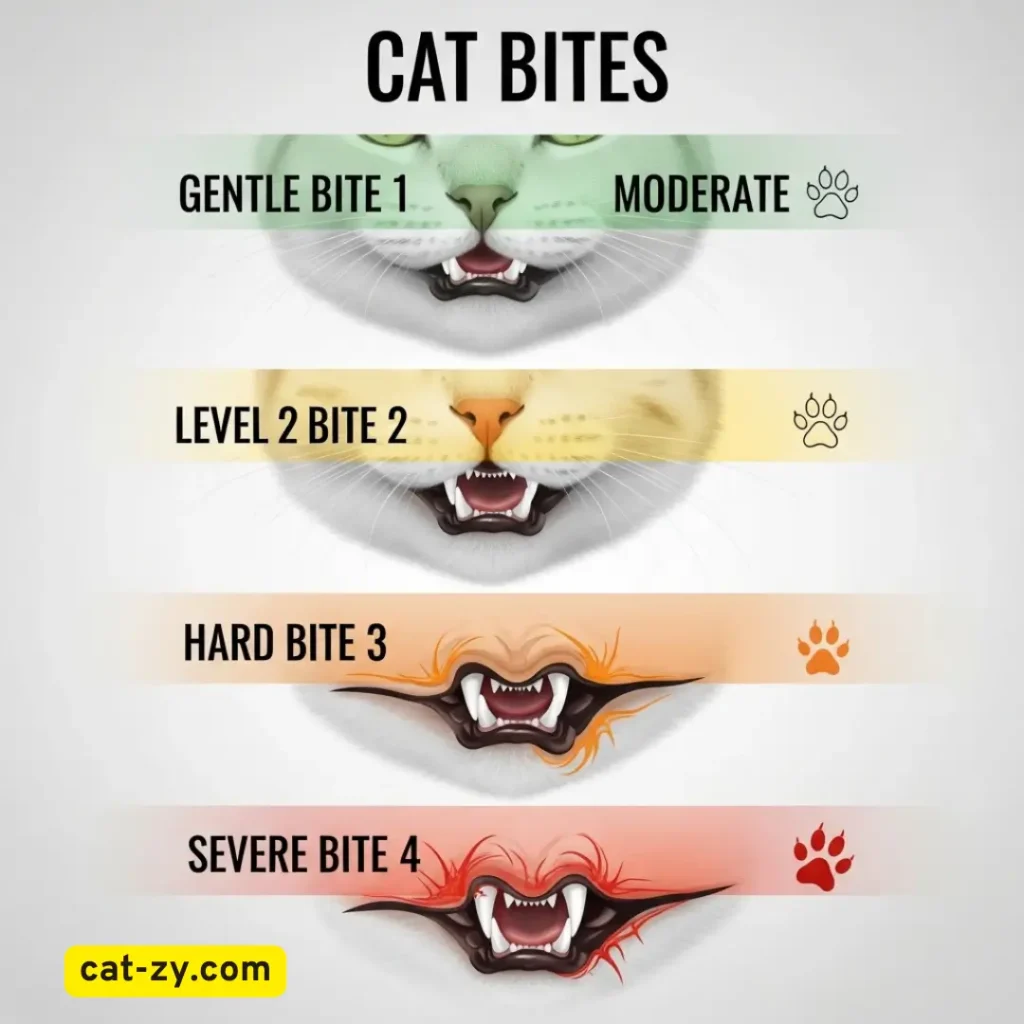
Understanding the different types of cat bites is essential for every cat owner. Not all bites are created equal, and recognizing the severity and intention behind each bite can help you respond appropriately and prevent future incidents.
Understanding Different Bite Intensities: From Gentle Nibbles to Deep Bites
Cat bites exist on a spectrum, ranging from barely perceptible nibbles to serious puncture wounds. Each level of intensity carries different meanings and requires different responses.
Gentle nibbles are the softest form of biting. Your cat barely applies pressure, and you might feel their teeth touch your skin without any pain. These are often affectionate gestures or exploratory behaviors, especially common in kittens learning about their environment.
Moderate pressure bites involve more force but typically don’t break the skin. You’ll feel discomfort, and there might be temporary redness or slight indentation marks. These bites usually signal overstimulation, a boundary being set, or escalating play behavior.
Hard bites apply significant pressure and may leave visible marks, bruising, or shallow punctures. These indicate serious displeasure, fear, or defensive aggression. Your cat is clearly communicating that something needs to change immediately.
Deep puncture bites are the most severe, breaking through multiple layers of skin and potentially causing bleeding. These require immediate medical attention due to infection risk and represent extreme distress, fear, or redirected aggression in your cat.
How to Distinguish Between Warning Bites and Attack Bites
The difference between warning bites and attack bites lies in your cat’s intention and the context surrounding the bite.
Warning bites are your cat’s way of saying “stop” before they feel the need to escalate. These bites are typically:
- Preceded by clear body language signals like tail twitching, ear flattening, or skin rippling
- Controlled in pressure—your cat is deliberately holding back
- Single bites rather than multiple repeated bites
- Often accompanied by your cat moving away after the bite
- Given an inhibited bite force, showing restraint
Attack bites, on the other hand, occur when your cat feels they have no other option or when their predatory instincts are fully engaged:
- They happen suddenly with little or no warning
- Multiple rapid bites in succession (bite-bite-bite pattern)
- Maximum force applied—your cat isn’t holding back
- Often accompanied by scratching with back legs (bunny kicking)
- Your cat may remain engaged rather than retreating
- Usually coupled with aggressive vocalizations like growling or hissing
Learning to recognize these differences helps you understand whether your cat is trying to communicate boundaries or whether they’re experiencing genuine fear or aggression that needs addressing.
The Meaning Behind Sleep Biting: Why Cats Bite While Sleeping
Have you ever been startled by your peacefully sleeping cat suddenly biting you? This phenomenon, known as sleep biting, has several explanations.
Dream-induced reactions are the most common cause. Cats experience REM sleep and dream just like humans. During these dream states, they may be mentally hunting, playing, or defending themselves. A bite during sleep is often an unconscious physical response to whatever scenario is playing out in their dreams.
Hypnic jerks and startle responses can trigger sleep biting. If you move suddenly near a sleeping cat or touch them unexpectedly, their instinctive defensive response might activate before they’re fully awake, resulting in a reflexive bite.
Sleep aggression is a less common but real phenomenon where cats become disoriented upon waking. This confusion can trigger a fight-or-flight response, and if they feel cornered or restrained, they may bite defensively.
Pain-related sleep biting shouldn’t be overlooked. If your cat is experiencing discomfort from arthritis, dental issues, or other medical conditions, they may bite if touched in a sensitive area during sleep.
To minimize sleep biting, avoid suddenly waking your cat by touching them. Instead, call their name softly or make gentle sounds to rouse them gradually. Provide your cat with their own sleeping space where they feel secure and won’t be accidentally disturbed.
Mouth Play vs. Actual Biting: Knowing the Difference
Many cat owners struggle to differentiate between playful mouthing and genuine biting. Understanding this distinction is crucial for appropriate responses.
Mouth play characteristics:
- Your cat gently places their mouth on your hand without applying significant pressure
- Their body language remains relaxed—ears forward, tail gently moving, no tension
- Often occurs during calm bonding moments or grooming sessions
- Your cat may “hold” your finger in their mouth without clamping down
- Frequently accompanied by purring or kneading
- No sudden movements or aggressive gestures
This behavior mimics how kittens interact with their mothers and littermates. It’s a sign of trust and affection, essentially a carry-over from kittenhood social bonding.
Actual biting characteristics:
- Clear pressure applied, ranging from uncomfortable to painful
- Tense body posture with specific warning signs
- Often part of a larger behavioral pattern (stalking, pouncing, wrestling)
- May escalate quickly if not addressed
- Can occur during play that has become too intense
- Your cat’s pupils may dilate, and their ears might flatten
The context matters significantly. A kitten learning bite inhibition will mouth more than an adult cat, but they’re still in the learning phase. Adult cats who engage in mouth play have typically learned to control their bite force through proper socialization.
If you want to discourage even gentle mouth play, consistently redirect your cat to an appropriate toy whenever they begin mouthing your hand. This teaches them that toys—not human body parts—are for biting, even playfully.
By understanding these different types and severities of cat bites, you’re better equipped to interpret your cat’s behavior, respond appropriately, and strengthen your bond while maintaining safety for both of you.
Truth #1: Your Cat Might Be Overstimulated

Overstimulation is a common reason behind your cat’s biting behavior. When cats are petted or handled too much, they can feel overwhelmed. This leads to aggressive behavior.
Petting-Induced Aggression Explained
Petting-induced aggression occurs when your cat perceives the touch as too much. They see it as a threat and defend themselves.
It’s not that they don’t like attention. They can’t handle the stimulation.
Signs Your Cat Has Had Enough Attention
Knowing when your cat has had enough is key. Look for these signs:
- Tensing up or becoming rigid
- Flattening their ears
- Trying to move away
- Flicking their tail
Pay attention to these cues to avoid overstimulation.
How to Avoid Triggering Overstimulation
To avoid overstimulation, start with short petting sessions. Watch your cat’s body language. If they show discomfort, stop right away. Try different types of touch or give them breaks.
Being aware of your cat’s limits can help prevent bites.
Truth #2: Why Does My Cat Bite Me When I’m Showing Affection?

You’re cuddling with your cat, and they suddenly give you a love bite. But what does it mean? This behavior might seem strange, but it’s common. Cats often do things that confuse their human friends, like biting when they’re being affectionate.
The Love Bite Phenomenon
A love bite is a gentle nip or bite cats show when they’re being affectionate. It might seem aggressive, but it’s actually a sign of love. Cats bite for affection, even if it’s confusing to us.
How Cats Express Affection Differently Than Humans
Cats show love in ways that are different from us. While we might see a bite as aggressive, cats see it as playful or loving. Understanding these differences helps us understand our cat’s behavior.
Distinguishing Between Affection and Irritation
Not all bites are from love; some are from irritation or too much stimulation. It’s important to watch your cat’s body language. If they’re tense or trying to get away, their bite is not a love bite. Knowing these signs helps you understand why does my cat bite me when you’re showing affection and how to interact better.
By paying more attention to your cat’s behavior and reactions, you can have a better and more loving relationship. This way, you’ll have fewer unwanted bites and more moments of affection.
Truth #3: Your Cat May Be Trying To Communicate Pain

Your cat’s biting might be more than just a behavior issue. It could be a sign that they’re in pain or discomfort. It’s important to find out why they’re biting.
Medical Conditions That Can Trigger Biting
Many medical issues can make your cat bite. Dental problems, arthritis, or injuries are common causes. For example, a cat with a tooth abscess might bite when touched or while eating.
A cat with arthritis might get aggressive when petted or handled. This is because they’re in pain.
Common medical conditions that can trigger biting include: – Dental issues like gum disease or tooth decay – Musculoskeletal problems such as arthritis or muscle strains – Neurological conditions like hyperesthesia or neuropathic pain.
When To Consult Your Veterinarian
If you think your cat’s biting is due to pain or a medical issue, see your vet. Watch for signs like changes in appetite, more vocalization, or avoiding activities. Your veterinarian can identify the underlying cause and recommend appropriate treatment.
How to Safely Handle a Cat in Pain
When dealing with a cat in pain, be gentle and careful. Support their body and avoid sudden moves or touch. If your cat shows pain or aggression, talk to a vet or animal behaviorist for advice.
Truth #4: Territorial Instincts Could Be Triggering Bites
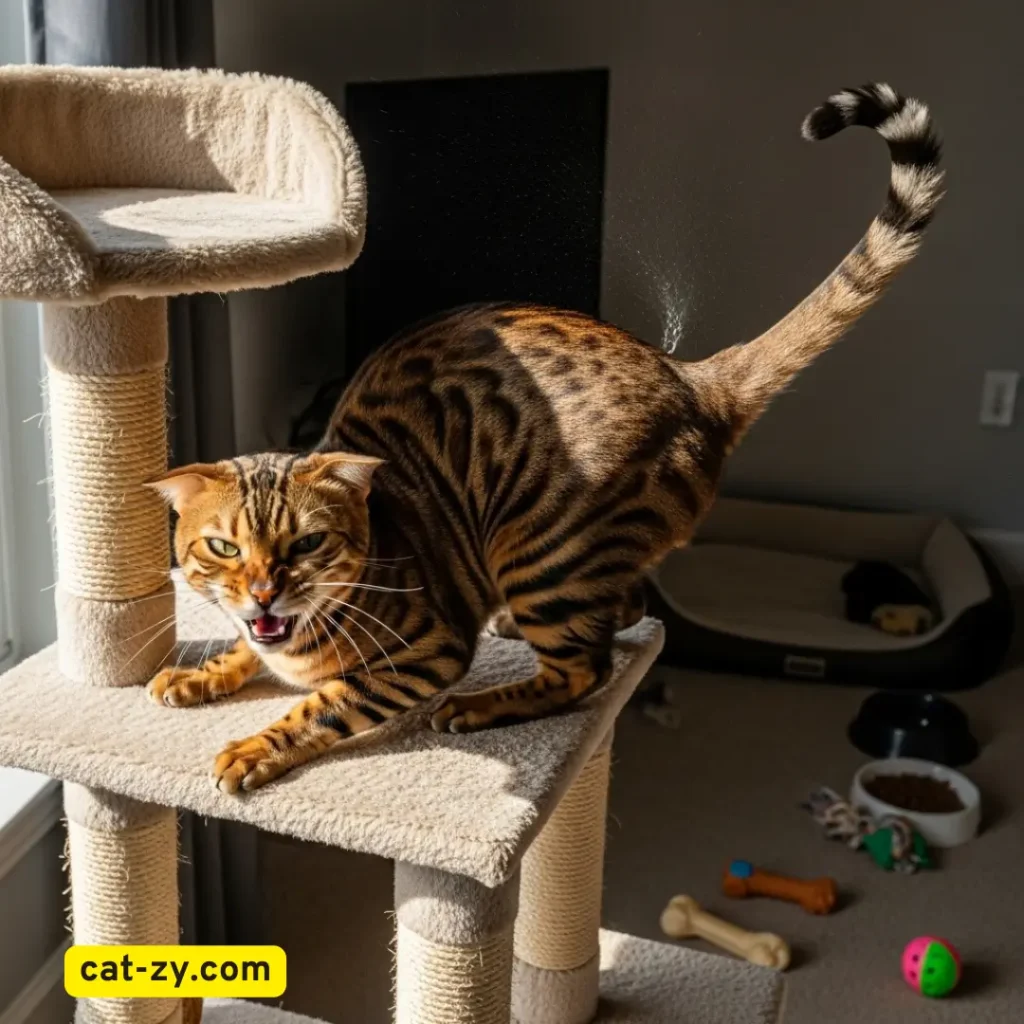
Your cat’s territorial nature might be why they bite. Cats protect their territory, which includes their home, family, and favorite spots.
Understanding Feline Territorial Behavior
Cats have a wild side that makes them defend their territory. This instinct is still in domestic cats. They get protective when they feel their space is being threatened.
Territorial marking is when cats use scent to mark their territory. But if they feel someone is invading, they might bite.
Environmental Factors That Increase Territorial Aggression
Changes in the home can make cats more territorial. This includes new pets, rearranged furniture, or changes in your work schedule. Stress and anxiety from these changes can make cats more aggressive.
Creating Harmony in Multi-Pet Households
In homes with multiple pets, it’s important to keep the peace. Give each pet its own food, water, litter box, and separate areas for retreat. This helps reduce fights.
Understanding your cat’s territorial behavior can help prevent bites. It makes your home a more peaceful place for everyone.
Truth #5: Your Cat’s Hunting Instincts Are Being Activated
Your cat’s natural hunting instincts might cause them to bite unexpectedly. Cats are born to hunt, and this instinct shapes their behavior.
Predatory Play Behavior Explained
Predatory play is a natural part of a cat’s life. They stalk, pounce, and bite like they’re hunting. This play is vital for their growth and is usually aimed at toys or small objects.
But if they misdirect this instinct towards human hands or feet, it can lead to biting. This is not what they intend, but it happens.
How Your Movements Can Trigger Hunting Responses
Your movements can set off your cat’s hunting mode. Quick or erratic movements, like moving your feet under a blanket, can trigger a pounce. Wiggling your toes can also spark their predatory instincts.
Knowing these triggers helps you avoid encouraging unwanted biting. It’s all about paying attention to the way you move.
Redirecting Predatory Behavior to Appropriate Toys
To cut down on biting, redirect your cat’s hunting behavior to the right toys. Play with them using toys that mimic prey, like feather wands or laser pointers. This satisfies their hunting urge and strengthens your bond.

By doing this, you can greatly reduce the chances of them biting you when they shouldn’t.
Truth #6: Your Cat May Be Experiencing Fear Or Anxiety
If your cat bites you, it might be because of fear or anxiety. Cats can feel scared or anxious for many reasons. This can make them bite.
Common Anxiety Triggers For Cats
Cats can get anxious or scared by many things. Changes in their environment, like moving or new pets or people, can upset them. Loud noises, like thunderstorms, also scare them a lot.
Other things that might upset them include past traumatic experiences or medical conditions that cause pain. Knowing what scares your cat is key to helping them.
Creating A Safe Environment For Your Nervous Cat
To make your cat feel safer, create a calm and predictable environment. Keep a regular daily routine. Give them quiet spaces to hide when they’re stressed. Try to avoid things that stress them out.
Behavior Modification Techniques That Actually Work
Good behavior change means gradual exposure to what safely scares them. Use positive reinforcement, such as treats and praise. Desensitization and counterconditioning help your cat see the scary thing as good, making them less anxious.
By understanding and tackling your cat’s fear and anxiety, you can lessen their stress. This can make your relationship with your pet much better.
Conclusion: Breaking The Biting Cycle
Understanding why your cat bites is key to stopping it. You’ve learned that cats bite for many reasons. These include being overstimulated, trying to show pain, defending their territory, or feeling scared or anxious.
To stop the biting, watch your cat’s body language closely. This helps avoid overstimulation and catches health issues early. It also makes your home a safe space for your cat. Using toys to redirect their hunting instincts and avoiding triggers for territorial behavior can also help.
With these tips, you can have a better and safer relationship with your cat. Next time you wonder, “Why does my cat bite me?” you’ll know how to handle it. This way, you can break the biting cycle.
FAQ
Why does my cat bite me when I’m petting them?
Cats may bite when they’re overstimulated. This is called petting-induced aggression. There’s only so much they can take. When this limit is reached, they bite to say they’ve had enough
Can having multiple pets in the house cause my cat to become more aggressive and bite?
Having many pets can make your cat feel territorial. This can lead to aggression. Make sure each pet has its own space. Managing their interactions can help reduce tension and biting.
Is it possible that my cat bites me because of anxiety or fear?
Yes, anxious or fearful cats may bite. Finding out what scares them and making a safe space can help. This can reduce their aggression.
How can I stop my cat from biting during affectionate interactions?
Learn to read your cat’s body language. Recognize when they’re overstimulated or upset. Being gentle and not pushing them to interact can also help.
Why does my cat bite during play?
Cats bite during play because it’s natural for them. It’s like they’re hunting. Giving them toys to play with can help them not bite you.
Is it possible that my cat’s biting behavior is linked to a medical condition?
Yes, cats in pain or discomfort may bite. If your cat starts biting more, it could be a health issue. Consult your veterinarian to ensure there are no underlying issues.
What are the signs that my cat might be feeling overstimulated?
Look for signs like tail flicking, ear flattening, and trying to move away. If you see these, stop petting your cat right away. This helps avoid getting bitten.
What are some effective ways to redirect my cat’s predatory behavior away from human skin?
Choose toys that simulate natural prey, such as feather teasers or laser lights. This can redirect their hunting instincts. It helps them not bite you







I really loved this article! It breaks down cat biting in such a clear and caring way. I had no idea that so many bites are actually just warning signs or expressions of discomfort instead of aggression. The advice on how to read their body language and redirect their hunting instincts is super useful. I’m definitely saving this for later!
Thank you so much for your kind words! We’re really happy to hear that you found the article helpful and easy to understand. You’re absolutely right—many bites are simply a form of communication, and learning to recognize those signals can make a huge difference in your relationship with your cat. We’re glad the tips on body language and redirecting hunting instincts stood out to you. Thanks for saving and supporting the article!