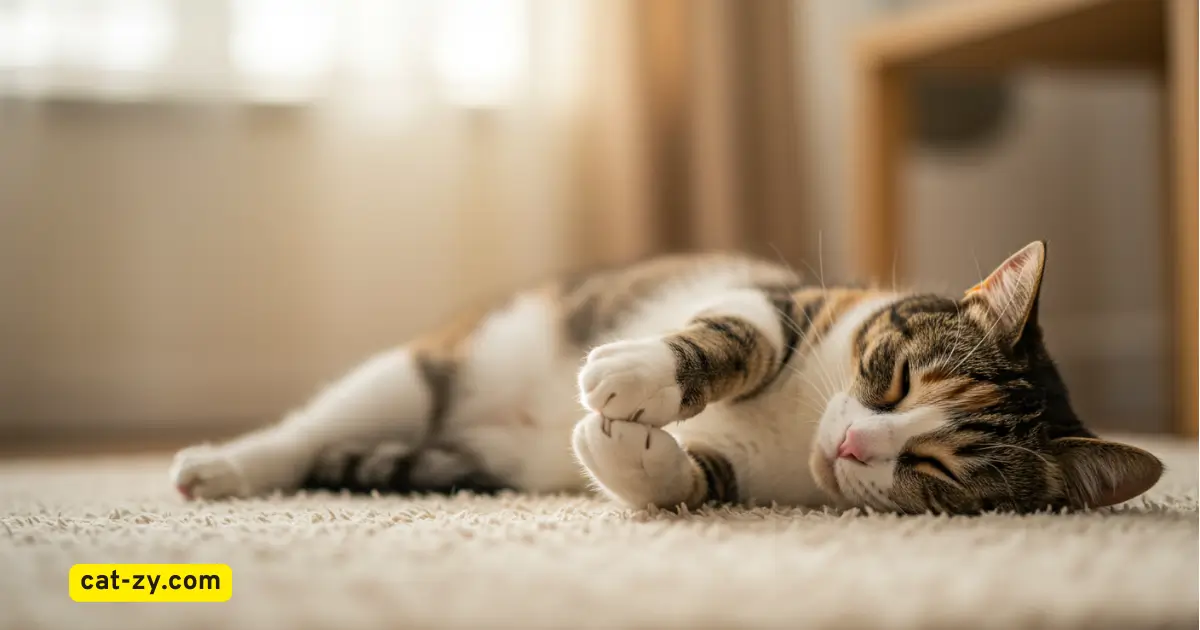
7 Shocking Reasons Your Cat Twitching in Sleep Reveals

If you’ve noticed your cat twitching in sleep, you’re not alone. Many pet owners wonder why their cats twitch during sleep. These movements typically occur during deep sleep phases, when cats are in a state of dreaming. While some twitching is normal, understanding the signs helps ensure your pet’s well-being.
This article explores whether these twitches are typical behaviors or potential health clues. We’ll cover what to watch for, when to stay calm, and when to contact a vet. Your cat’s sleep patterns can reveal a lot—let’s uncover the science behind those mysterious movements.
Table of Contents
Understanding Cat Sleep Patterns
Cats sleep in cycles, similar to humans, but with their own twist. They switch between quiet sleep and REM sleep. This is when most cat twitching happens. In REM, their brain is active, showing they’re dreaming.
Adult cats typically sleep 12–16 hours a day. REM sleep is a small part of this, but it’s when they twitch the most. Their legs might paddle, or their whiskers flick, showing they’re dreaming.
Watch how your cat acts while sleeping. If they twitch gently, breathe softly, and purr, it’s likely okay. But if they twitch violently or a lot, it might mean something’s wrong. Knowing about their sleep helps you tell normal from not-so-normal.
Breed-Specific Sleep Characteristics
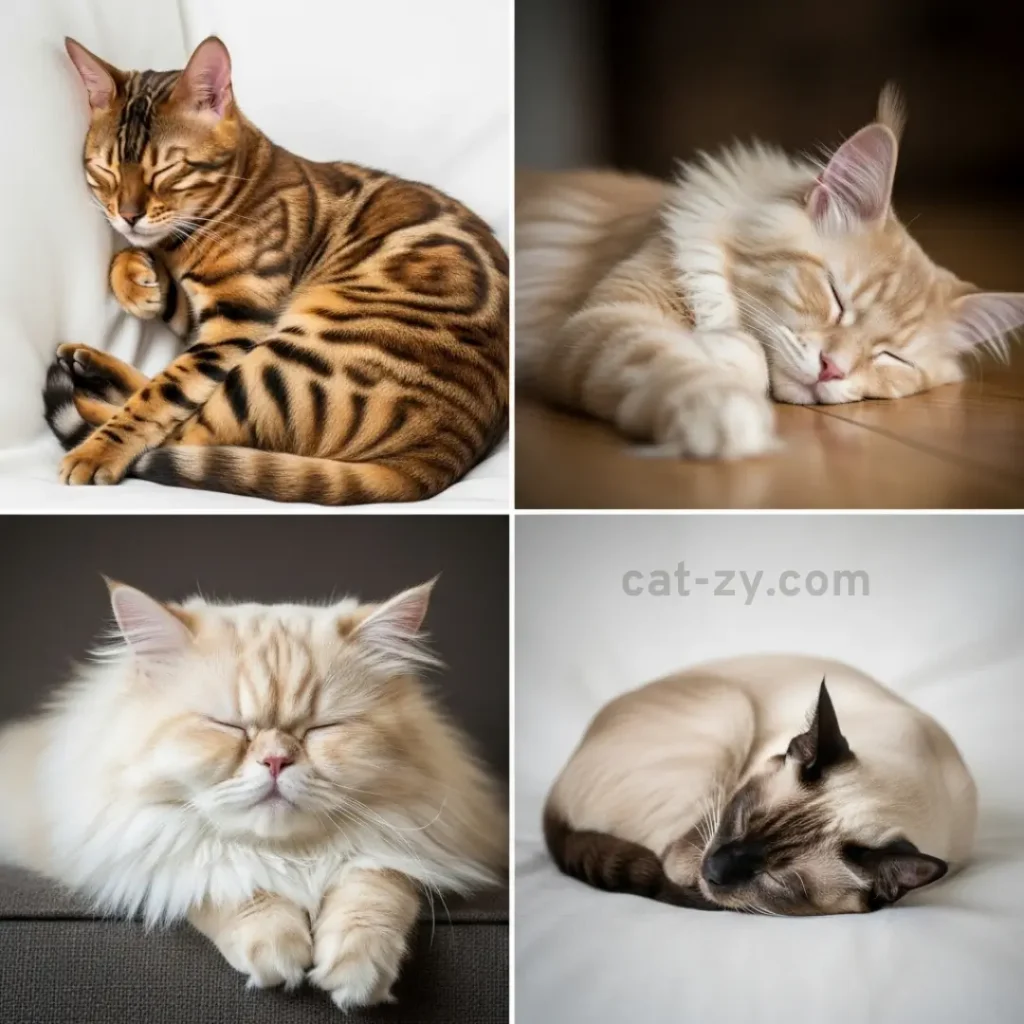
Different cat breeds exhibit unique sleep patterns and behaviors, including variations in how they experience cat twitching in sleep. Understanding these breed-specific traits helps owners recognize what’s normal for their particular feline companion.
Active Breeds and Dream Activity
Highly active breeds like Bengals, Abyssinians, and Siamese cats tend to display more pronounced twitching during sleep. These energetic breeds often engage in vigorous play throughout the day, which translates into more active dream sequences. Owners of these breeds frequently report observing intense paw movements, tail flicking, and whisker twitching during their cat’s REM sleep phases.
Bengal cats, known for their wild ancestry, may exhibit hunting-related movements during sleep. Their paws might paddle rapidly, mimicking the chase sequences they perform while awake. This cat twitching in sleep reflects their high-energy personality and strong prey drive.
Calm and Sedentary Breeds
In contrast, more laid-back breeds like Persians, Ragdolls, and British Shorthairs typically show gentler, less frequent twitching during sleep. These breeds have calmer temperaments and lower activity levels, which often result in more peaceful sleep cycles with minimal movement.
Persian cats, with their relaxed demeanor, usually sleep deeply with only occasional subtle twitches. Their long, luxurious coats and preference for comfortable resting spots contribute to their serene sleeping style.
Oriental Breeds and Vocal Sleep Behaviors
Oriental breeds, including Siamese and Oriental Shorthairs, are known for being vocal even during sleep. When experiencing cat twitching in sleep, these breeds may combine physical movements with soft chirps, meows, or trills. This vocalization during dreams is completely normal for these communicative breeds.
Large Breed Considerations
Larger breeds like Maine Coons and Norwegian Forest Cats have distinct sleep characteristics due to their size. Their twitching movements may appear more dramatic simply because of their larger body mass. Maine Coons, weighing up to 18 pounds, naturally display more visible muscle movements during sleep compared to smaller breeds.
Hairless and Short-Haired Breeds
Hairless breeds like the Sphynx and short-haired breeds such as the Cornish Rex may twitch more noticeably because their movements are more visible without thick fur coverage. This doesn’t mean they twitch more frequently, but owners can observe the muscle contractions more easily beneath their skin.
Athletic and Agile Breeds
Breeds known for their athleticism, like the Savannah, Egyptian Mau, and Ocicat, often exhibit dynamic sleeping behaviors. Their exceptional agility and speed during waking hours translate into energetic dream activity, with frequent leg movements and position changes during sleep.
Adaptable Mixed Breeds
Mixed-breed cats, or domestic shorthairs and longhairs, display a wide range of sleep behaviors. Their twitching patterns can vary significantly based on their genetic makeup and individual personality traits. These cats may inherit sleep characteristics from multiple breed backgrounds, resulting in unique combinations of behaviors.
Sleep Duration Across Breeds
While most cats sleep 12-16 hours daily with varying cat twitching in sleep frequencies, some breeds have different sleep requirements. More active breeds might sleep slightly less, remaining alert and playful for longer periods. Conversely, gentle giant breeds may sleep more, conserving energy between their brief activity bursts.
Personality Over Pedigree
It’s important to remember that individual personality often outweighs breed tendencies. Two cats of the same breed can have vastly different sleep behaviors based on their unique temperaments, life experiences, and environmental factors. While breed characteristics provide general guidelines, every cat is an individual.
Understanding your cat’s breed-specific tendencies helps you appreciate their natural behaviors during sleep. Whether your cat is a twitchy Bengal or a peaceful Persian, recognizing these patterns ensures you can distinguish between normal breed characteristics and anything that might require closer observation.
Age-Related Sleep Differences
Cats experience distinct sleep patterns throughout their lives, and understanding these differences helps explain variations in cat twitching in sleep at different life stages.
Kittens (0-6 months)
Kittens are champion sleepers, often resting up to 20 hours daily as their bodies focus energy on rapid growth and development. During this stage, you’ll notice more frequent and pronounced cat twitching in sleep compared to adult cats. Their movements tend to be more exaggerated—legs paddling vigorously, whiskers twitching rapidly, and even small vocalizations like squeaks or chirps.

This heightened activity reflects their developing nervous system and the intense mental processing happening as they learn about their world. Kitten dreams likely replay their daily adventures: pouncing on toys, exploring new spaces, or interacting with littermates. The twitching is perfectly normal and indicates healthy brain development during REM cycles.
Adult Cats (7 months – 10 years)
Adult cats typically settle into a predictable routine of 12-16 hours of sleep per day. A cat twitching in sleep becomes less dramatic but remains consistent during REM phases. You’ll observe more controlled movements—a gentle paw flex, tail flick, or subtle whisker movement rather than full-body jerks.
Their dreams often mirror established hunting behaviors and daily routines. An adult cat might twitch while dreaming of stalking birds through the window or chasing their favorite feather toy. The consistency of their sleep schedule makes it easier to recognize what’s normal for your individual cat.
Senior Cats (11+ years)
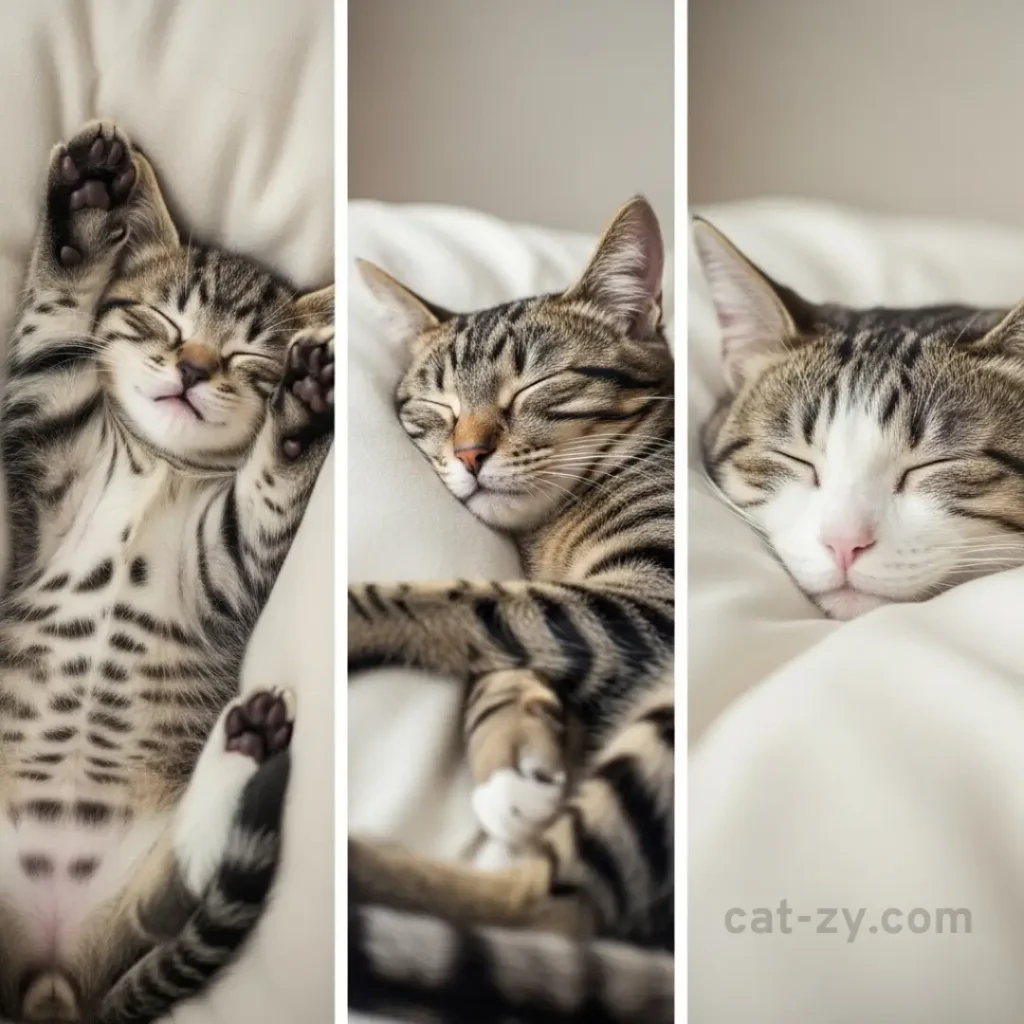
Senior cats often increase their sleep duration again, sometimes reaching 18-20 hours daily. However, the quality and nature of cat twitching in sleep may change. Some older cats experience less intense REM sleep, resulting in reduced twitching frequency. Their movements become gentler and shorter in duration.
Conversely, some senior cats may develop slightly irregular sleep patterns, waking more frequently during the night or taking more daytime naps instead of longer sleep sessions. You might notice your older cat prefers warmer, softer sleeping spots and positions that accommodate stiff joints, such as stretched out rather than tightly curled.
Energy Levels and Dream Content
The intensity of cat twitching in sleep often correlates with daytime energy expenditure. Kittens, with their boundless energy and constant play, display more active dreaming. Adult cats with regular exercise routines may show moderate twitching that reflects their structured activity. Senior cats with reduced mobility typically exhibit calmer, less frequent movements during sleep.
Adapting to Life Stage Changes
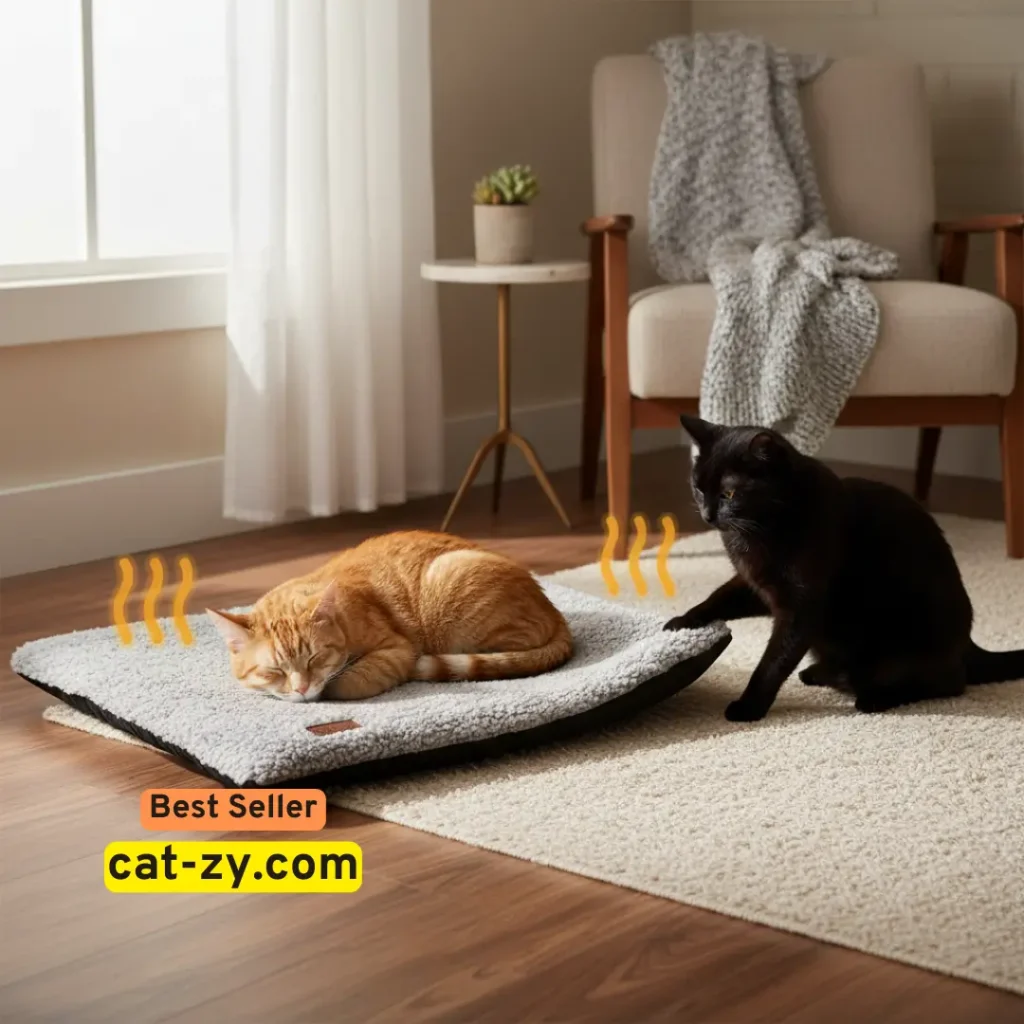
Understanding these age-related cat twitching in sleep patterns helps you provide appropriate sleep environments. Kittens benefit from secure, enclosed sleeping spaces where their active twitching won’t result in falls. Adult cats appreciate consistent sleeping locations that align with their established territories. Senior cats need easily accessible, cushioned beds in warm, quiet areas.
Recognizing what’s typical for each life stage allows you to enjoy watching your cat’s natural sleep behaviors without unnecessary concern. Whether it’s a kitten’s enthusiastic paw paddling or a senior cat’s gentle ear twitch, cat twitching in sleep remains a fascinating window into your pet’s dreaming world throughout their entire life.
Common Behaviors and Myths About Feline Sleep
Ever wondered why cats twitch in their sleep? You’re not alone. Many myths surround this behavior. Let’s clear up the most common misconceptions to understand your pet’s sleep better.
Debunking Misconceptions
Some think cats twitching in sleep means they’re sick. But these movements often reflect their waking life. Cats might kick their paws or twitch their whiskers while dreaming of chasing prey. This is a natural part of their REM sleep.
Another myth says twitching means pain. But studies show it’s usually harmless. Knowing the truth helps avoid unnecessary worry.
Observational Tips for Nighttime Behavior
Watch your cat twitching in sleep without disturbing them. Notice if twitching is accompanied by unusual sounds or stiffness. A calm, relaxed posture during sleep, even with twitches, is normal.
Keep a notebook to track how often and how long they twitch. If twitches increase with lethargy during the day, see a vet. Most twitches are just your cat’s brain at work.
Cat Twitching in Sleep: Causes and Concerns
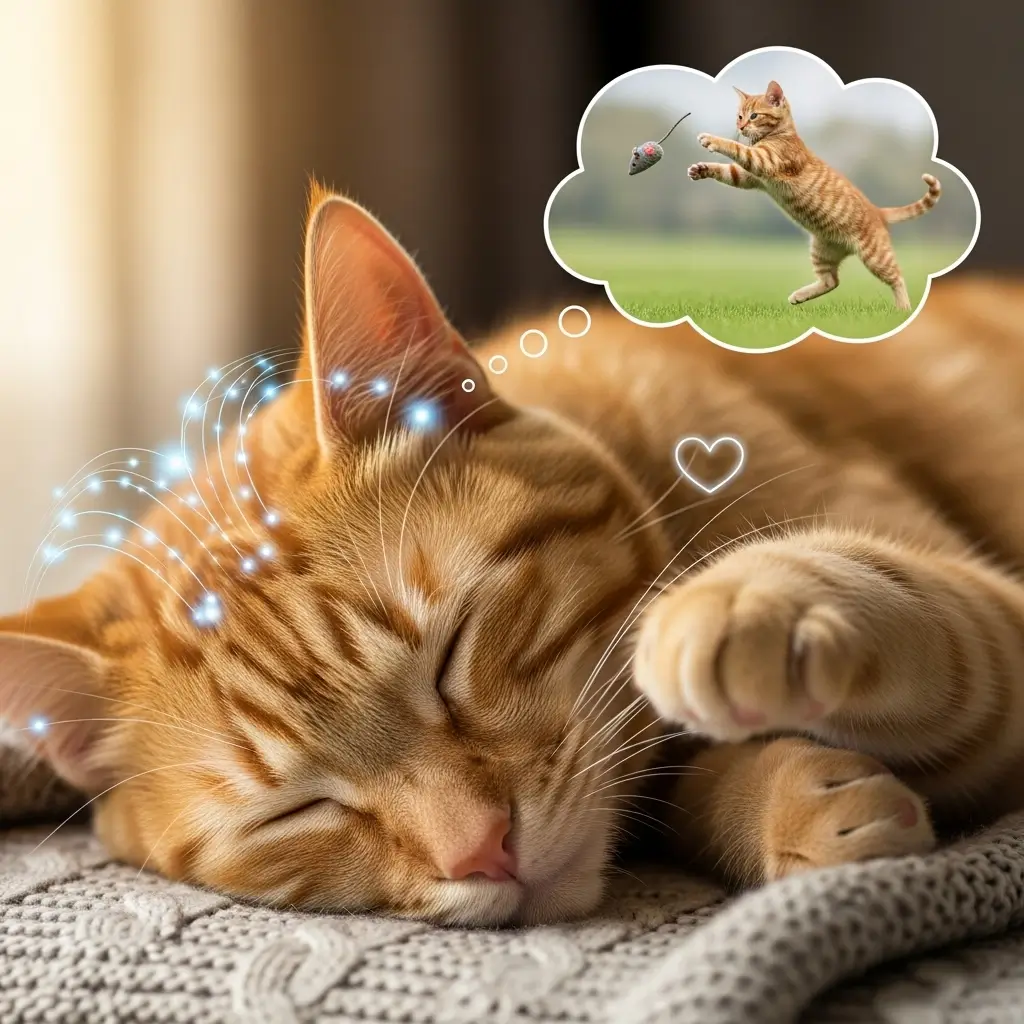
Understanding why cat twitching in sleep occurs is key. It involves knowing both natural and external factors. Some movements are normal, but others might need attention.
Physiological Reasons Behind Twitching
Cats go through rapid eye movement (REM) sleep, a dream phase where cat twitching in sleep is most common. Twitching legs or whiskers often show they’re chasing in dreams. These twitches are part of healthy brain activity and usually don’t worry you. But if shaking goes on too long, it might mean there’s a problem.
Environmental Triggers You Should Notice
Noises, temperature changes, or new smells can wake your cat up. A cold draft or a new pet might stress them out. Watch for a cat twitching in sleep that happens with changes in their surroundings.
When to Seek Professional Advice
If twitching is accompanied by stiffness, loss of appetite, or odd breathing, see a vet. Suddenly, more twitching or symptoms like seizures need quick vet visits. Regular vet checks keep your cat’s health top-notch.
Health Issues and Potential Spasms in Cats
Some cat twitching in sleep is normal and part of their sleep cycle. But certain health issues can cause cat spasms that need attention. Neurological disorders like epilepsy can lead to sudden, intense muscle contractions.
These episodes might include stiff limbs, vocalizations, or loss of consciousness. If your cat has repeated cat spasms and acts strangely, see a vet right away.
Metabolic problems, like low blood sugar or imbalances, can also cause abnormal movements. Kidney or liver disease might affect toxin removal, impacting nerves and muscles. Environmental toxins or pesticides could also be a factor.
Watch for signs like vomiting, lethargy, or changes in appetite along with twitching. In rare cases, seizures from head injuries or infections might look like sleep-related cat spasms.
Distinguishing between normal twitches and health-related spasms is key. Keep track of when and how often the movements happen. Note if they only occur during deep sleep or if they happen when awake. Sudden, uncontrolled shaking that’s not related to sleep needs vet attention right away.
Regular vet visits can help find and treat problems early. Don’t try to diagnose yourself—vets use tests like blood work, imaging, or EEGs to find the cause. Early treatment can make a big difference for muscle control issues. Always put your cat’s health first by addressing any persistent or severe symptoms quickly.
Behavioral Insights and What It Means for Your Pet
Your“cat twitching in sleep” can also be a reflection of their waking life experiences. By watching a cat’s sleep behavior, you can understand their feelings and health. Twitching legs or flicking tails in deep sleep are normal. But sudden changes might mean they need something.
Interpreting Feline Body Language
Small changes in posture or cat twitching in sleep movements can tell a lot. A calm cat might stretch or kick gently, showing they’re dreaming well. But stiff muscles or too much jerking could mean they’re uncomfortable. Look at how often these happen and with other signs like purring or restlessness.
Recognizing Signs of Stress or Discomfort
While feline sleep patterns differ, prolonged cat twitching in sleep with wide eyes or hard breathing might show anxiety. Things like loud noises or new smells can upset them. If your cat wakes up after intense twitching, check their environment for stress causes.
Preventative Care and When to Consult a Vet
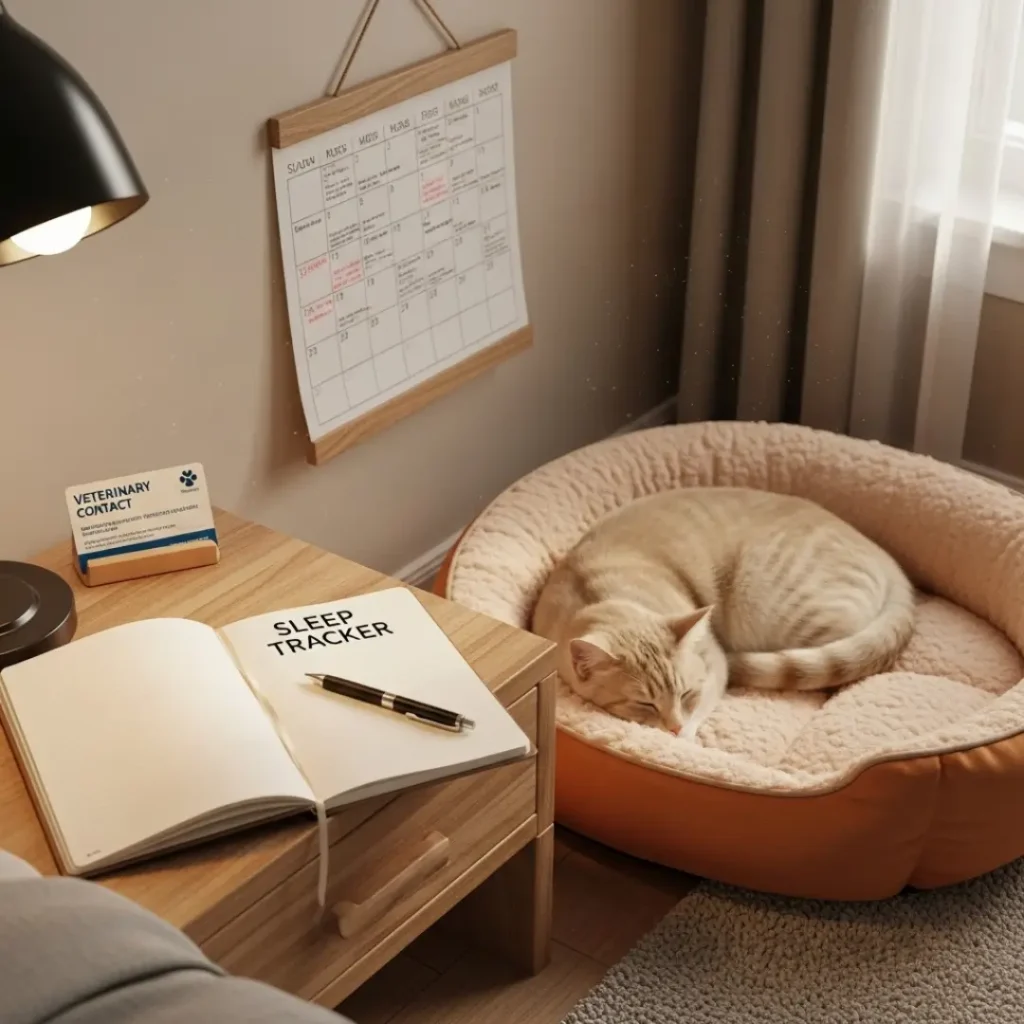
Keeping your cat healthy begins with regular vet visits and monitoring cat twitching in sleep behaviors. Notice how often they twitch, and if it’s with restlessness or loud meows. Preventative care means keeping their space calm and free from stress.
Make sure your cat has a cozy, quiet spot to sleep. Regular routines like feeding and playtime help lower stress. If twitching is often or happens when they’re awake, it might mean something’s wrong.
Look out for signs like not wanting to eat, limping, or hard breathing. These are reasons to see a vet right away.
If twitching happens with weight loss, seizures, or changes in litter box use, get vet help. Even small signs like drooling or stiffness need a vet check. Regular vet visits can catch problems early.
Keep a sleep journal to track your cat’s patterns. If twitching goes up after meds change or new pets arrive, tell your vet. Taking care of your cat’s health means being ready to act when needed.
Conclusion
Understanding your “cat twitching in sleep” behaviors is important to ensure their health. It helps you know what’s normal and when to seek help. Most twitching during sleep is natural, part of their deep REM cycles, or mimicking prey-chasing dreams.
However, knowing the difference between typical movements and potential health issues is key. If twitching happens alongside unusual vocalizations, loss of appetite, or unsteady movement, consult a veterinarian promptly.
Regularly observing your cat’s rest patterns builds awareness of their well-being. Small changes in sleep habits or physical reactions could signal underlying concerns. Prioritize veterinary care if you notice persistent oddities.
By staying informed, you ensure your pet receives timely care. This supports their health and comfort in the long term.
FAQ
Why does my cat twitch in sleep?
A cat twitching in sleep is completely normal for cats. It’s typically linked to their sleep cycles, especially during REM sleep. During this phase, where cats dream, twitching is a natural part of the process.
What are common reasons for a cat twitching while sleeping?
A cat twitching in sleep is usually due to normal sleep processes, especially during REM sleep. Cats may twitch, kick, or make sounds while they dream, which is a regular occurrence during this phase.
Are there signs that make a cat twitching in sleep a concern?
Yes, cat twitching in sleep is usually normal, but if it lasts longer than usual, shows signs of distress, or is accompanied by other unusual symptoms, it could be a cause for concern. For instance, if your cat experiences seizures, lethargy, or changes in appetite alongside the twitching, these could signal an underlying health issue. It’s best to consult a vet if these symptoms persist
Can environmental factors trigger cat twitching when sleeping?
Absolutely. Loud noises, new pets, or routine changes can cause twitching. Knowing these factors helps you understand your cat better.
What can I do to ensure my cat sleeps well and feels safe?
Make sure your cat has a quiet, comfy spot to minimize disruptive cat twitching in sleep episodes. Keep it safe from disturbances. A routine helps your cat feel secure while sleeping.
Should I be worried if my cat twitches regularly in her sleep?
Regular twitching is usually normal. But watch for other symptoms and keep the environment comforting. This helps spot any potential issues.
What types of health issues can lead to twitching or spasms in cats?
Twitching or spasms can be due to many health issues. These include neurological disorders or metabolic diseases. Conditions like epilepsy or inflammation can cause spasms. Always be observant and consult a vet if you notice anything odd.
How can I tell if my cat is having spasms instead of normal twitching?
Spasms are intense and affect more muscles. Look for stiffening, shaking lasting more than a few seconds, or pain signs. If so, get vet advice, as it might be a health problem.





One Comment