Is Lavender Safe for Cats? 7 Astonishing Facts Revealed

As a cat owner, you love spending time with your furry friend. You might wonder, “Is lavender safe for cats?” when considering its use in your home. Lavender is used in essential oils and fresh flowers for its calming effects. But it’s important to know how it affects your cat’s health.
Is lavender safe for your cat? The answer is not simple. Some say it’s good, while others warn of dangers. We’ll share 7 surprising facts to help you decide if lavender is safe for your cat.
Table of Contents
Understanding the Relationship Between Cats and Lavender
If you own a cat, you might wonder about the safety of certain items at home. Lavender is one such item that raises questions. It’s known for its calming effects on humans, but its impact on cats is more complicated.
Lavender’s scent might calm humans, but it can stress cats. In small amounts, lavender’s smell is usually okay for cats. But too much lavender oil can make cats feel sick, tired, or even throw up.
If you have lavender products around your cat, make sure the air is fresh. This helps prevent any bad reactions. Like dogs, cats need to be careful around lavender to stay healthy.
7 Astonishing Facts About Lavender and Cat Safety
Fact 1: Lavender Contains Toxic Compounds That Harm Cats
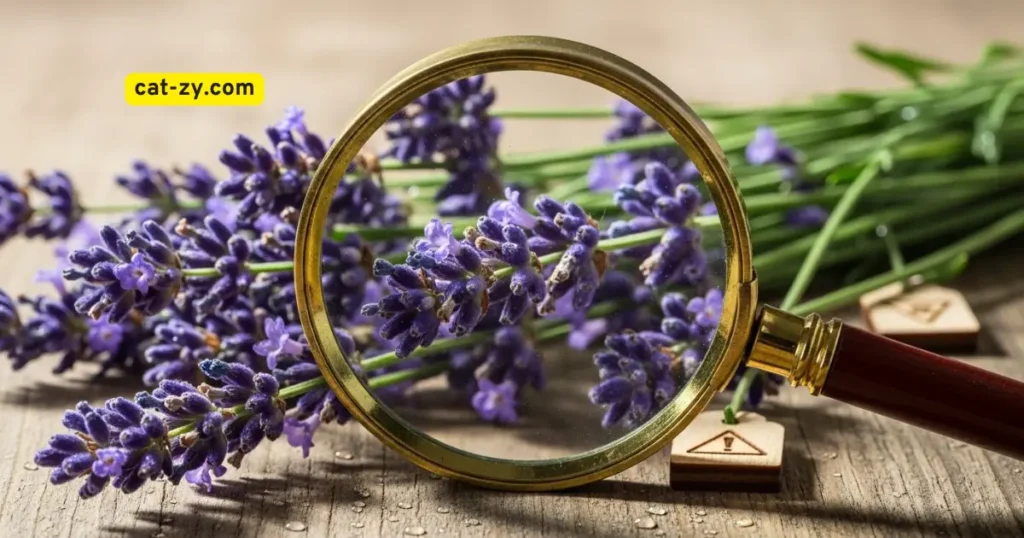
Is lavender safe for cats? The answer lies in its chemical composition. Lavender contains toxic compounds, specifically linalool and linalyl acetate, which can harm cats. These chemicals are naturally present in all parts of the lavender plant and can cause serious health issues for felines. Even a little bit of lavender oil can upset a cat’s sensitive liver, making this seemingly innocent plant a potential threat to your pet’s well-being.
Fact 2: Essential Oils Are More Dangerous Than Dried Lavender
When asking “Is lavender safe for cats?” it’s crucial to understand that essential oils pose a much greater risk than dried lavender. While dried lavender still contains the same potentially harmful compounds like linalool and linalyl acetate, the concentration is significantly lower than in essential oils. Essential oils are highly concentrated extracts that can cause immediate toxicity, while dried lavender typically requires larger amounts to cause serious harm.
Fact 3: Cats Can Develop Allergic Reactions to Lavender
Surprisingly, cats can be allergic to lavender, adding another layer to the question “Is lavender safe for cats?” If your cat itches, sneezes, has trouble breathing, or shows signs of skin irritation after being near lavender, these could be allergic reactions. Unlike humans, who might find lavender soothing, cats’ immune systems can react negatively to lavender’s compounds, treating them as foreign invaders.
Fact 4: Lavender Diffusers Pose Serious Respiratory Risks
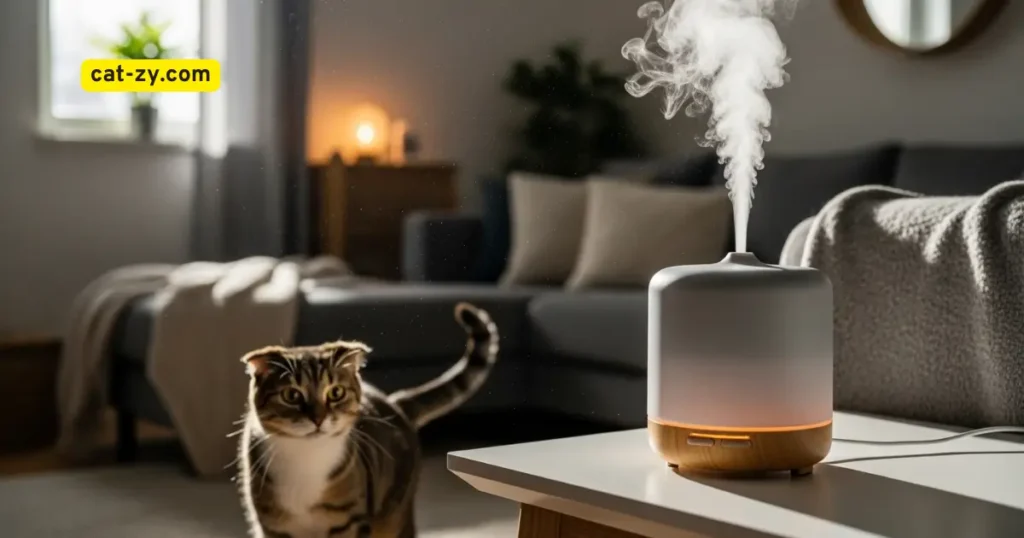
Many pet owners wonder about diffusers when considering “Is lavender safe for cats?” Lavender diffusers can be particularly risky for cats, especially in enclosed spaces. The concentrated essential oils released into the air can cause respiratory irritation and stress in sensitive cats. The constant exposure to airborne lavender particles can lead to breathing difficulties and long-term respiratory problems.
Fact 5: Lavender Toxicity Symptoms Include Vomiting and Lethargy
When determining “Is lavender safe for cats?” recognizing toxicity symptoms is vital. Cats may vomit, experience diarrhea, feel tired, or have trouble breathing if they ingest lavender or are exposed to excessive lavender oil. Other symptoms include loss of appetite, drooling, and unusual behavior. These signs can appear within hours of exposure and require immediate veterinary attention.
Fact 6: Sea Lavender Is Less Toxic Than Regular Lavender
Here’s an astonishing fact many don’t know when asking, “Is lavender safe for cats?” Sea lavender (Limonium) is different from true lavender and is generally considered less toxic to cats. However, it can still cause mild stomach upset if ingested in large quantities. While not as dangerous as regular lavender, it’s still wise to prevent your cat from eating sea lavender plants or arrangements.
Fact 7: Cats Are More Sensitive to Lavender Than Dogs
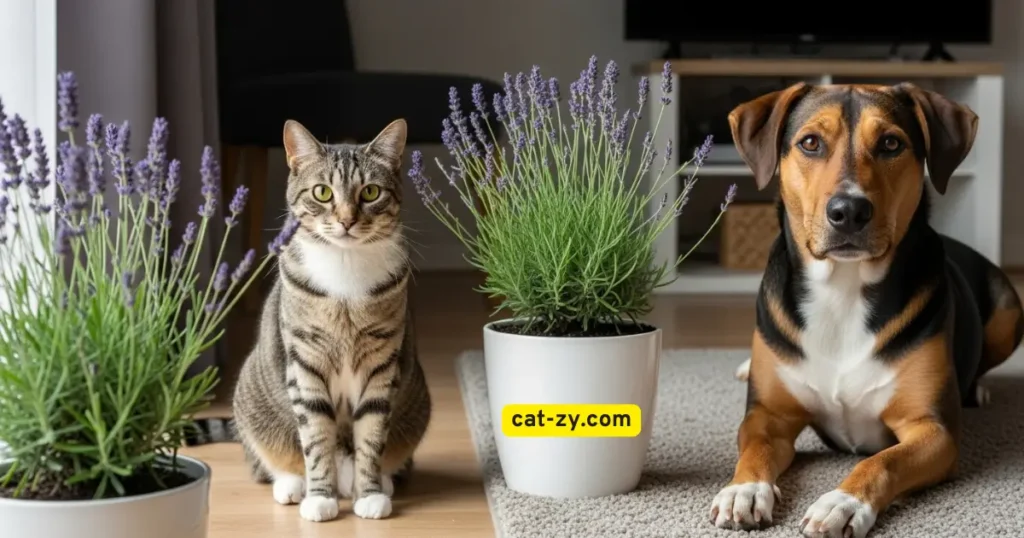
The final surprising fact about “Is lavender safe for cats?” involves comparing feline and canine sensitivity. Both cats and dogs can be sensitive to lavender, but cats are generally more vulnerable due to their inability to metabolize certain compounds effectively. Dogs may tolerate small amounts better than cats, but both pets should have limited exposure to lavender products. This difference stems from cats’ unique liver metabolism, which processes toxins differently from other animals.
What to Do If Your Cat Is Exposed to Lavender
One of the most important things to understand when asking is lavender safe for cats is knowing exactly what to do if your cat has already been exposed. Recognizing the warning signs early and acting quickly can make a significant difference in your cat’s recovery. Here is a clear, step-by-step guide every cat owner should keep handy.
First Steps Before Reaching the Vet
If you suspect your cat has been exposed to lavender — whether through ingestion, skin contact, or prolonged inhalation — do not wait for symptoms to worsen. Time matters. Follow these immediate steps:
Step 1: Stay calm and remove your cat from the source. The very first thing to do is move your cat away from the lavender source immediately. Whether it’s a diffuser, a lavender plant, or spilled essential oil, putting distance between your cat and the exposure source stops further harm right away.
Step 2: Do not induce vomiting. This is a common mistake cat owners make at home. Unless your veterinarian explicitly instructs you to do so, never try to make your cat vomit after lavender ingestion. It can sometimes cause more harm than the original exposure.
Step 3: Check for visible symptoms. Once your cat is safely away from the lavender source, observe them carefully. Common signs that your cat has been exposed to a harmful amount of lavender include:
- Excessive drooling
- Vomiting or diarrhea
- Lethargy or unusual weakness
- Difficulty breathing or rapid breathing
- Redness or irritation around the mouth, nose, or eyes
- Pawing at the face or mouth
Step 4: Call your veterinarian or a pet poison hotline immediately. Even if your cat appears fine at first, contact your vet right away. Lavender toxicity symptoms can be delayed, and a professional assessment is always the safest route. When you call, be ready to share:
- The type of lavender product your cat was exposed to (essential oil, dried plant, diffuser, etc.)
- The estimated amount of exposure
- How long ago did the exposure happen
- Any symptoms you have already noticed
Step 5: Follow your vet’s instructions precisely. Your vet may ask you to bring your cat in immediately or monitor specific symptoms at home. Whatever their guidance, follow it carefully without attempting any home remedies that have not been approved by a professional.
Cat-Safe Alternatives to Lavender for Your Home
If you love filling your home with beautiful scents and plants but worry about your cat’s safety, you’re not alone. Many cat owners find themselves searching for pet-friendly alternatives after learning about lavender’s risks. The good news is that plenty of gorgeous, fragrant plants and essential oils can coexist peacefully with your feline companion.
Pet-Friendly Plants That Smell Great
You don’t have to choose between a beautifully scented home and a safe environment for your cat. These plants are non-toxic to cats and can add natural fragrance to your living space:
Roses are a classic choice that cats can safely be around. Their sweet, romantic scent fills any room naturally, and while the thorns may be a minor concern, the plant itself poses no toxic threat to your feline friend.
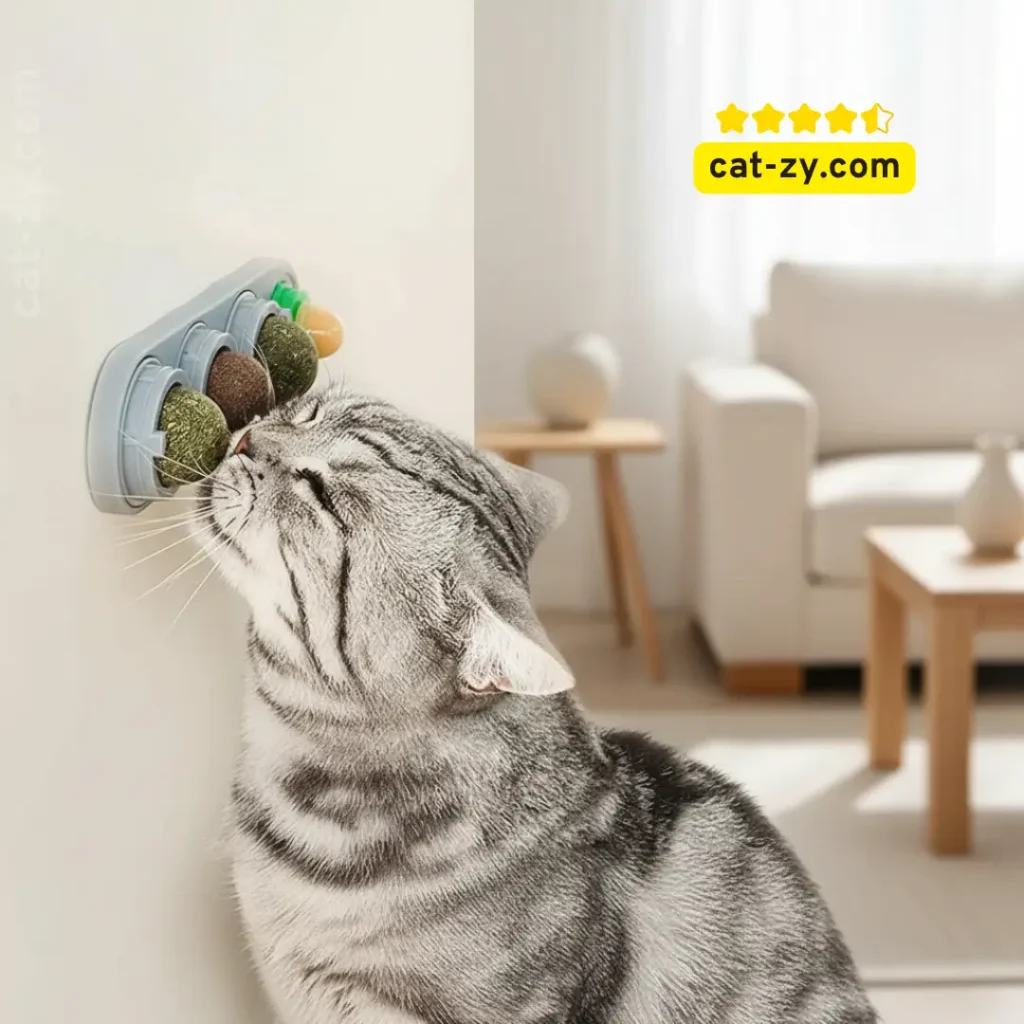
Catnip (Nepeta cataria) is perhaps the most cat-friendly plant you can grow indoors. Beyond being completely safe, most cats absolutely adore it. It doubles as a natural enrichment tool that keeps your cat entertained and stimulated.
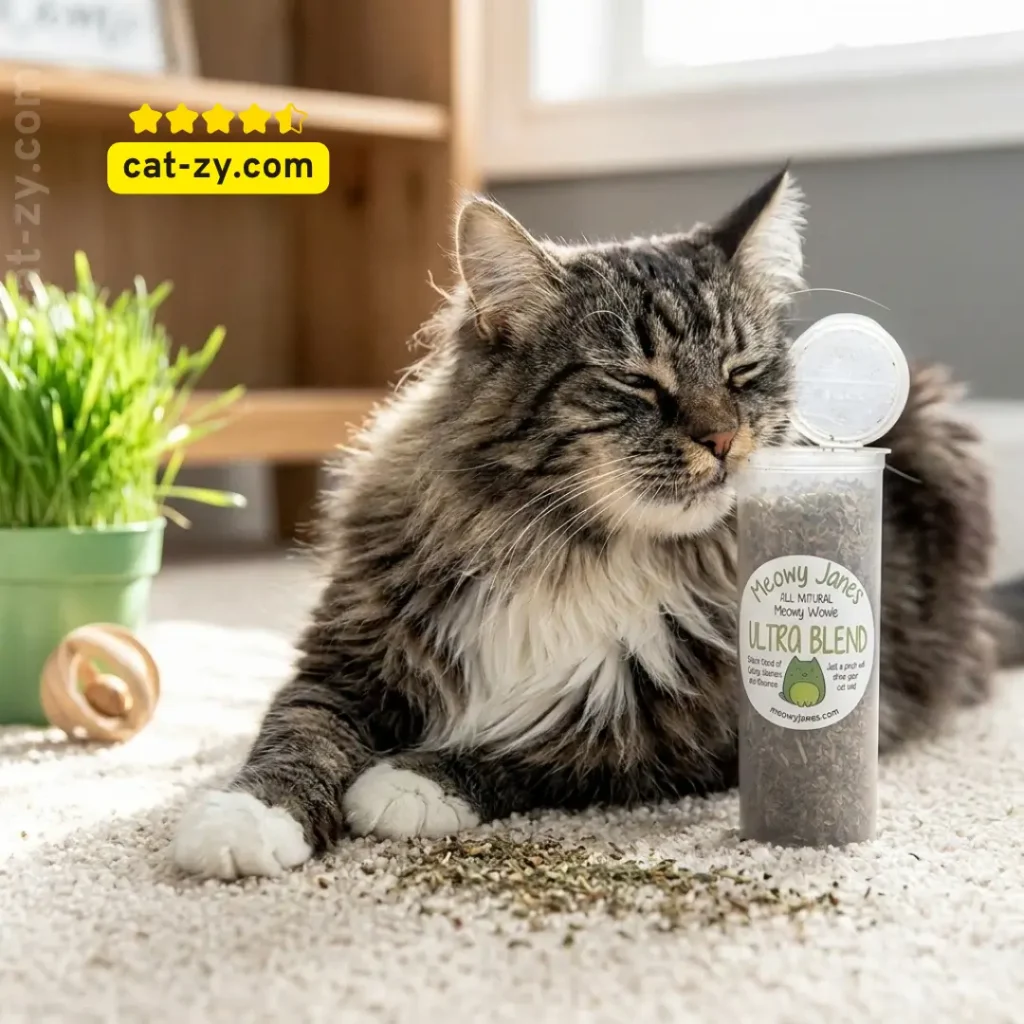
Valerian is another plant that many cats find irresistible. It produces small, delicate flowers with a mild, earthy scent and is considered non-toxic to cats according to the ASPCA.
Chamomile offers a gentle, apple-like fragrance and is generally safe for cats when used as a dried plant or in small decorative arrangements. It’s a calming, soft-scented alternative that works beautifully in home décor.
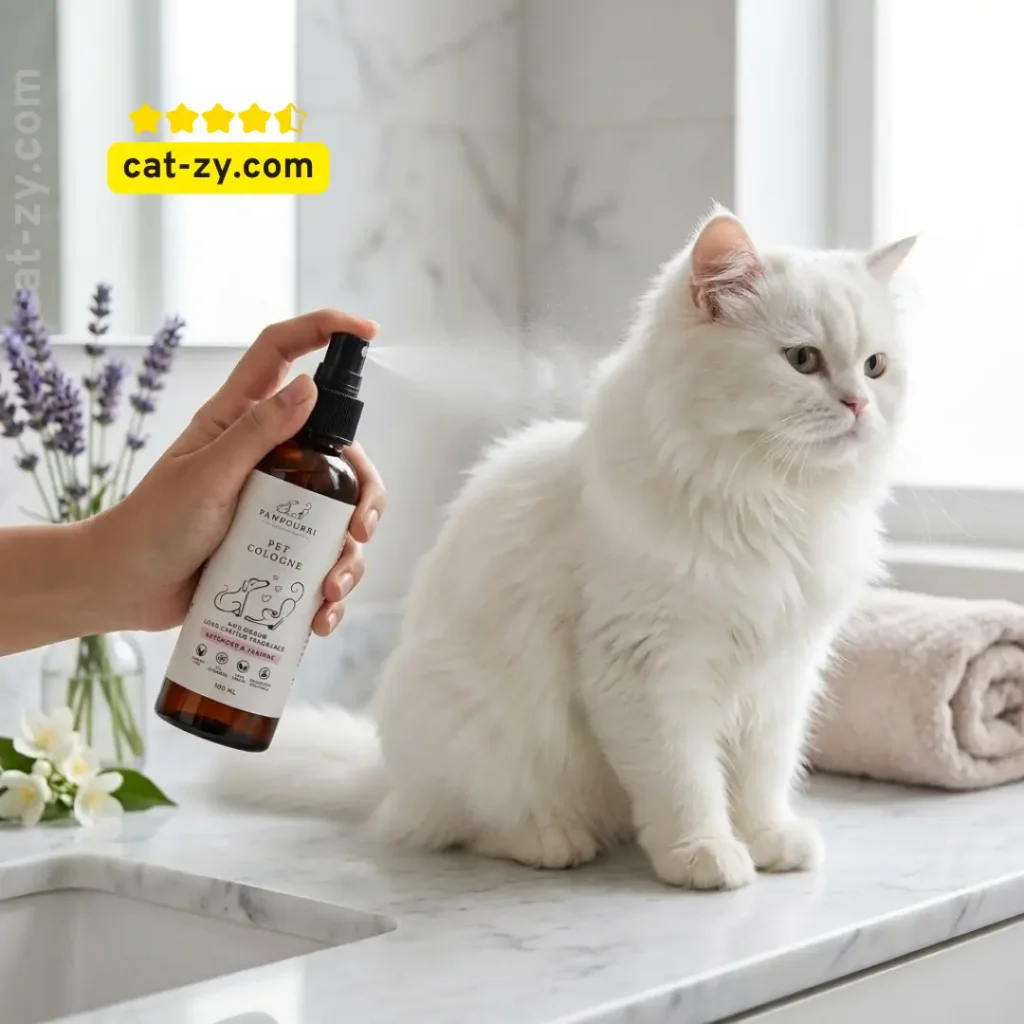
Jasmine (non-toxic varieties) can fill your home with a sweet floral scent. Make sure to choose true jasmine varieties that are confirmed safe, as some jasmine-named plants can still be problematic for cats.
Herbs like basil, dill, and cilantro are completely safe for cats and add a fresh, green fragrance to your kitchen or windowsill garden. These are practical, double-purpose plants that benefit both you and your pet.
Safe Essential Oils for Homes with Cats
Essential oils are a tricky territory for cat owners because cats’ livers lack the enzymes needed to metabolize many aromatic compounds. However, some oils are considered lower risk when used with proper precautions, such as excellent ventilation and keeping your cat out of the room during use.
Before using any essential oil around your cat, always consult your veterinarian first. That said, here are some options that are generally regarded as safer compared to lavender:
Frankincense is one of the most commonly recommended essential oils for households with cats. When diffused in a well-ventilated space and in very small amounts, it is considered a lower-risk option compared to many other essential oils.
Cedarwood (Atlas cedarwood specifically) is sometimes used in pet-friendly households and is considered less harmful than many other oils. It carries a warm, woodsy scent that naturally deters insects — a bonus for any home.
Cardamom has a spicy, slightly sweet aroma and is generally regarded as one of the safer essential oil options for cat-owning households when used with care and proper ventilation.
Important reminder: Even with safer essential oils, always follow these ground rules:
- Never apply essential oils directly to your cat’s fur or skin
- Always diffuse in open, well-ventilated areas
- Give your cat a clear exit so they can leave the room if uncomfortable
- Watch for any signs of discomfort, sneezing, or unusual behavior
- Keep all essential oil bottles tightly sealed and stored out of reach
Simple Tips for a Cat-Safe, Beautifully Scented Home
Switching away from lavender doesn’t mean sacrificing the cozy, fragrant atmosphere you love. Here are a few practical strategies cat owners swear by:
Opt for natural over synthetic. Many synthetic air fresheners and sprays contain chemical compounds that are far more harmful to cats than natural plant alternatives. Choosing whole plants over sprays is always the safer route.
Use beeswax candles with natural scents. Unscented or lightly naturally scented beeswax candles are a much safer choice than heavily perfumed paraffin candles, which can release airborne irritants.
Create designated scent zones. If you prefer to keep using certain fragrances, set up rooms or areas that your cat cannot access. A closed home office or bedroom can be your personal scented sanctuary while the rest of the home remains a cat-safe zone.
Bring in fresh flowers strategically. Roses, sunflowers, and snapdragons are all cat-safe flowers that add natural beauty and subtle fragrance to your home without putting your pet at risk.
Try simmer pots. Simmering water with cinnamon sticks, orange peel, and cloves on your stovetop creates a warm, inviting home scent that is far gentler and more controllable than diffused essential oils.
Making small, thoughtful swaps around your home can go a long way in keeping your cat safe while still enjoying a beautifully fragrant living space. When in doubt, always cross-check any new plant or product with a trusted resource like the ASPCA’s toxic plant database, and consult your veterinarian before introducing anything new into your cat’s environment.
FAQ
Is lavender safe for cats to be around?
Lavender can be calming for people, but it’s not the same for cats. Cats might be sensitive to compounds in lavender. So, be careful when using lavender products near them.
Can cats be allergic to lavender?
Yes, cats can have allergies to lavender. If your cat itches, sneezes, or has trouble breathing after being near lavender, see a vet.
Is lavender essential oil toxic to cats?
Lavender essential oil can harm cats if they eat it or are around too much of it. Keep it away from your cats. Use it in a well-ventilated area to reduce risk.
Can I diffuse lavender essential oil around my cat?
Be careful when using lavender essential oil near your cat. Some cats might not react, but others could. Start with a little and watch your cat’s behavior before adding more.
Is the smell of lavender safe for cats?
Lavender’s smell is usually okay for cats in small amounts. But if your cat seems stressed or uncomfortable around it, limit their exposure.
Can lavender be used to calm anxious cats?
Lavender might calm humans, but it’s not proven to work for anxious cats. Talk to a vet before trying lavender or any calming aid for your cat.
What are the symptoms of lavender toxicity in cats?
Cats may vomit, experience diarrhea, feel tired, or have trouble breathing if they ingest lavender or are exposed to excessive lavender oil. If you think your cat has lavender toxicity, get vet help right away.
Is dried lavender safe for cats?
Dried lavender poses similar risks to fresh lavender for cats. While less potent than essential oils, dried lavender still contains toxic compounds like linalool. Cats may experience digestive upset if they ingest dried lavender flowers or leaves, so it’s best to keep dried lavender arrangements away from curious felines.
Is a lavender diffuser safe for cats?
Lavender diffusers can be risky for cats, especially in enclosed spaces. The concentrated essential oils released into the air can cause respiratory irritation and stress in sensitive cats. If you must use a lavender diffuser, ensure excellent ventilation, use it sparingly, and monitor your cat for any signs of discomfort or distress.
Is dry lavender safe for cats?
Dry lavender contains the same potentially harmful compounds as fresh lavender, including linalool and linalyl acetate. While the concentration may be lower than in essential oils, ingestion can still cause gastrointestinal upset in cats. Keep dry lavender potpourri, sachets, and decorative arrangements out of your cat’s reach to prevent accidental consumption.
Is sea lavender safe for cats?
Sea lavender (Limonium) is different from true lavender and is generally considered less toxic to cats. However, it can still cause mild stomach upset if ingested in large quantities. While not as dangerous as regular lavender, it’s still wise to prevent your cat from eating sea lavender plants or arrangements.
Is lavender safe for cats and dogs?
Both cats and dogs can be sensitive to lavender, but cats are generally more vulnerable due to their inability to metabolize certain compounds effectively. Dogs may tolerate small amounts better than cats, but both pets should have limited exposure to lavender products. Always consult your veterinarian before introducing lavender into a multi-pet household.





One Comment